
Last updated October 31, 2026
 Home additions & ADU
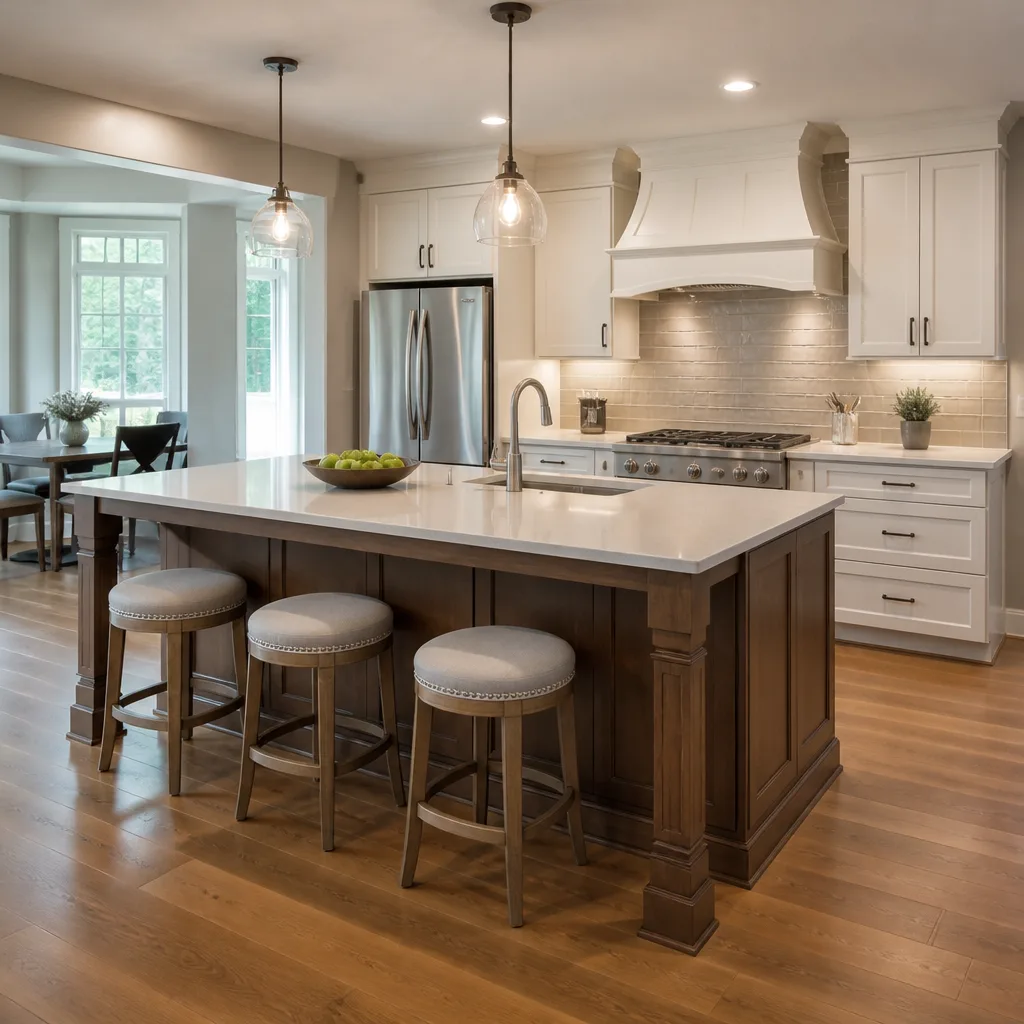 Kitchen remodeling
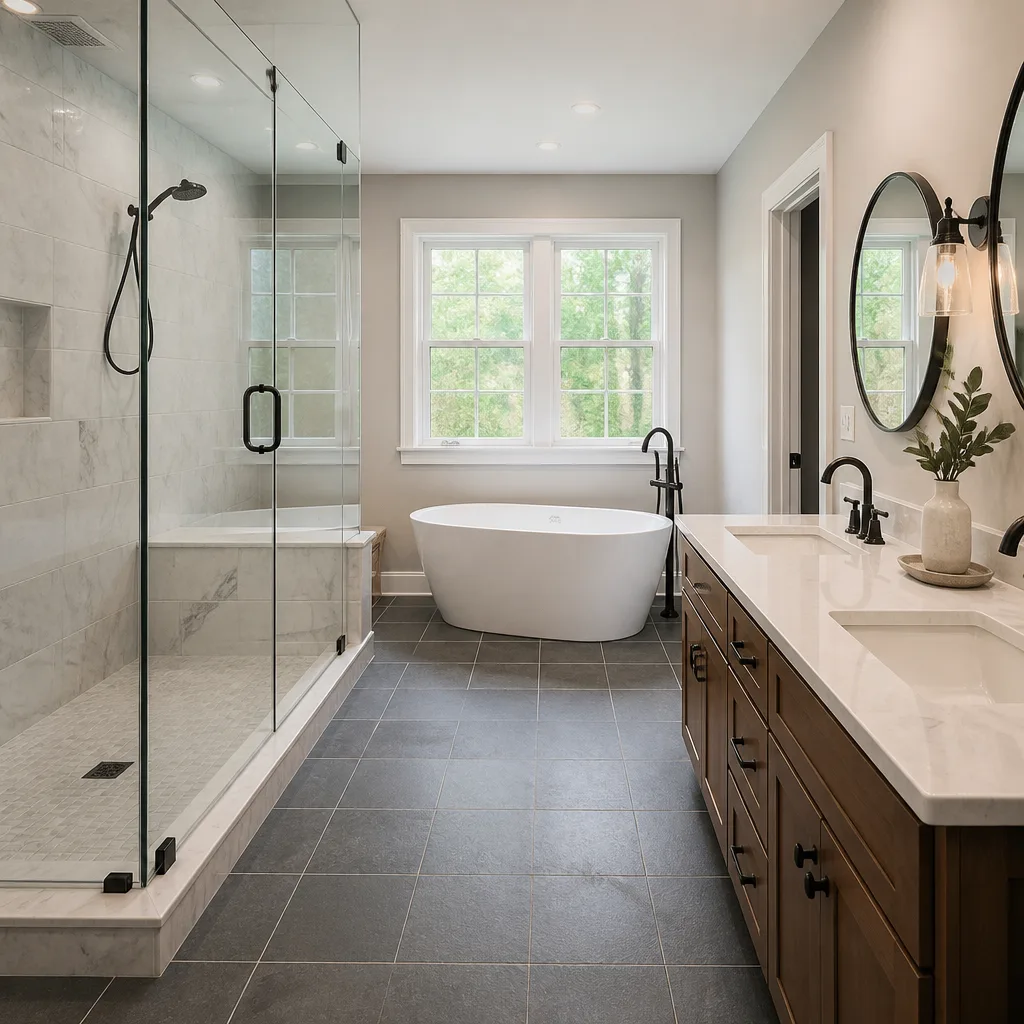 Bathroom remodeling
 Roofing
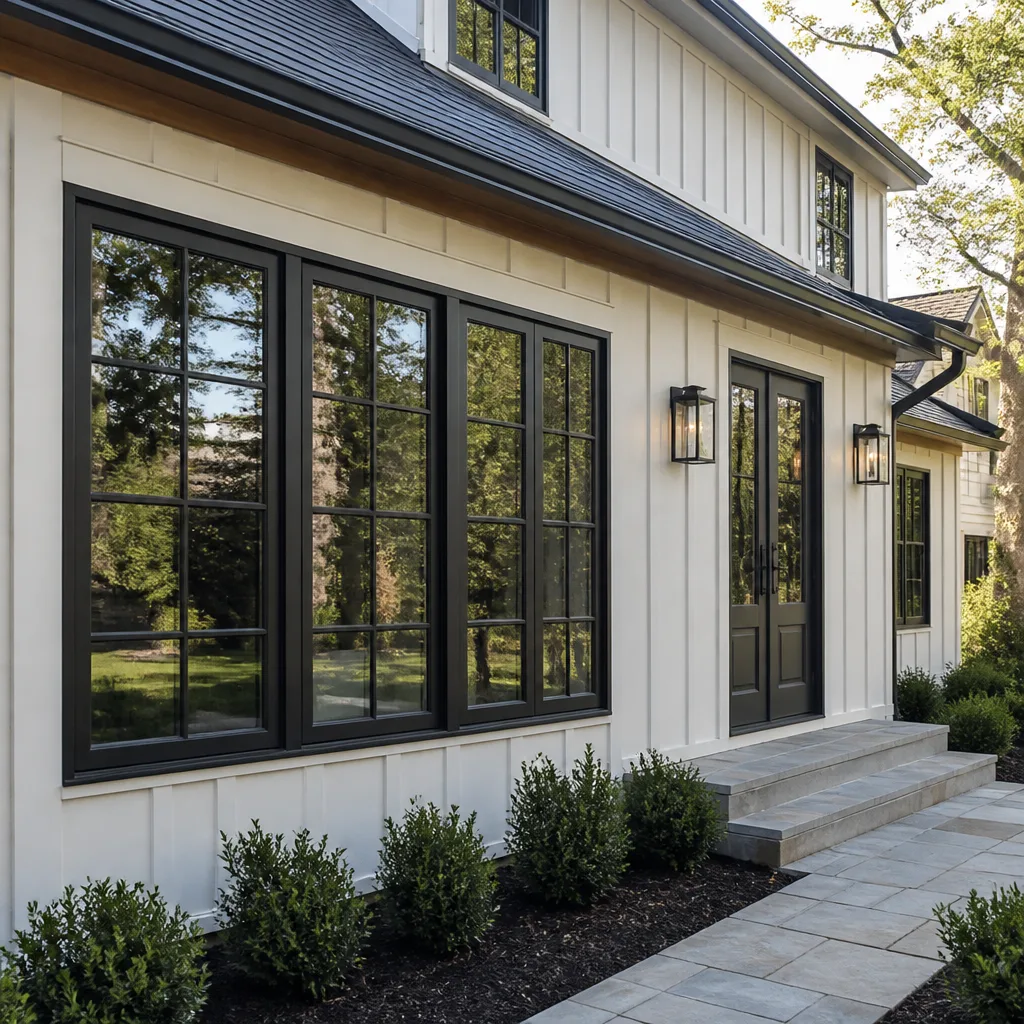 Windows & doors
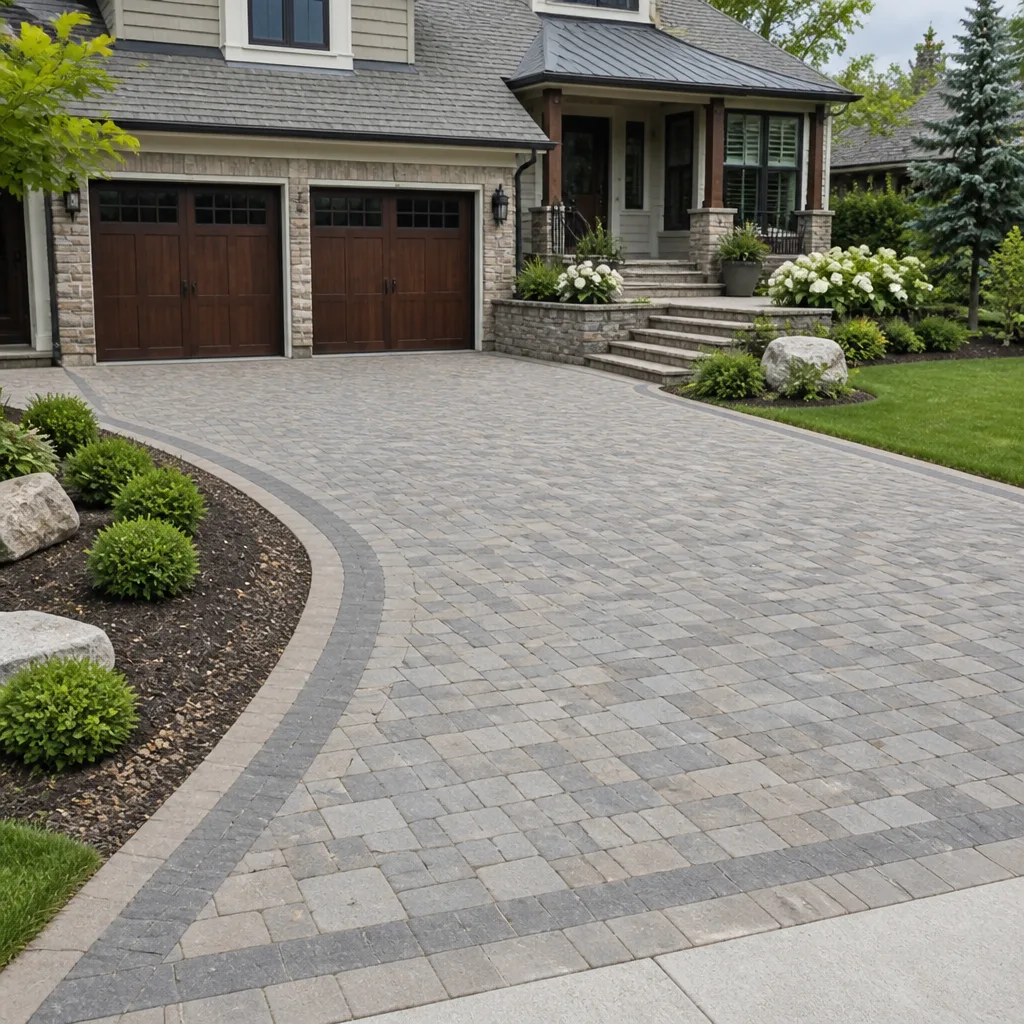 Driveway & pavers
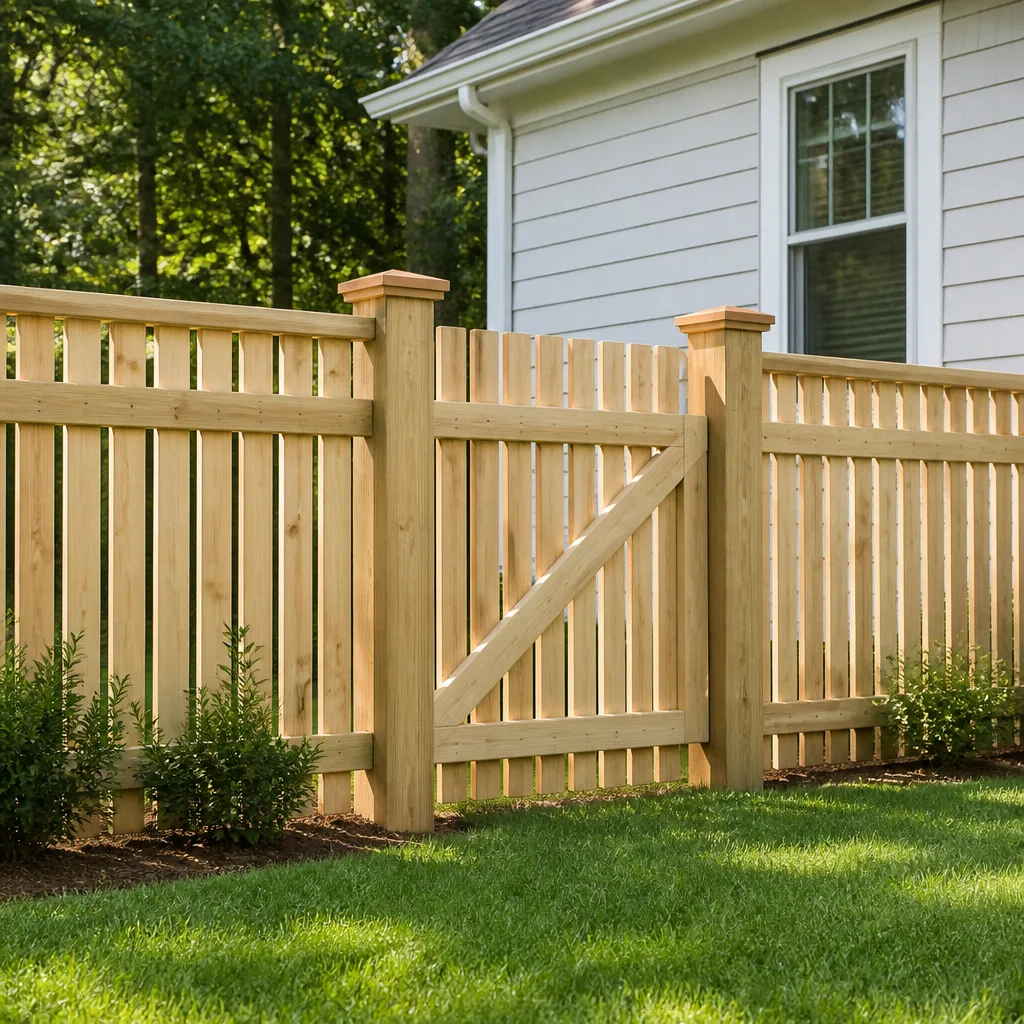 Fence
Free written scope consultation - allowances, timeline, and change-order rules on paper before a single trade is scheduled
Seasonal Construction Care for Pacifica: Year-Round Homeowner’s Guide
Pacifica‘s “dry season” regularly brings 100% relative humidity overnight thanks to marine fog. That single fact explains more failed paint jobs, swollen fences, and peeling caulk than any other variable in coastal San Mateo County construction. Exterior staining done in July can fail by October if scheduling ignores moisture content in the substrate. This guide maps Pacifica’s actual construction calendar, the one homeowners learn through experience and contractors learn through callbacks, so your next project lands in the right window and your existing home survives the wet season intact.
Styles & brands we work with
Quick Answer
Pacifica has a wet season (November through March), a fog-heavy dry season (June through August), and two narrow shoulder windows (mid-April to early June and September to mid-October) that offer the most reliable conditions for exterior construction and maintenance. Homeowners who schedule staining, painting, roofing, and hardscaping during the mid-May to late-June window get the best adhesion, curing, and long-term performance. The rest of the year belongs to inspection, interior work, drainage maintenance, and planning.
Table of Contents
- Pacifica’s Real Construction Calendar
- Fog and Moisture: What 100% Humidity Does to Your Home
- Month-by-Month Exterior Maintenance Calendar
- The Mid-May to Late-June Window: Why It Matters
- Winter Prep: Drainage, Roof Penetrations, and Retaining Walls
- North-Facing Walls and Vapor Barrier Assessment
- Sequencing Major Projects Across Seasons
- Common Mistakes to Avoid
- When to Call a Professional
- Frequently Asked Questions
- The Bottom Line
Pacifica’s Real Construction Calendar
Forget the four-season model. Pacifica runs on three seasons, and only two of them matter for construction decisions. The wet season runs roughly November through March, delivering the bulk of Pacifica’s 30 to 40 inches of annual rainfall, most of it in horizontal bursts driven by Pacific storms. The dry season, June through August, brings almost no rain, but it also brings the marine layer, a nightly blanket of fog that pushes relative humidity to saturation levels in neighborhoods like Linda Mar, Pedro Point, and Sharp Park. Between those two blocks sit the shoulder windows: mid-April to early June and September to mid-October. These are Pacifica’s true construction seasons, the periods when daytime temperatures, overnight humidity, and rainfall probability align well enough for exterior work to cure properly.
This calendar shapes everything about how a General Contractor in Pacifica schedules work. Concrete pours, exterior staining, roof replacements, and hardscape installations all have moisture and temperature tolerances. The manufacturer specs for materials from GAF, CertainTeed, James Hardie, and Belgard assume specific curing conditions. When Pacifica’s fog pushes moisture content in wood framing or fiber-cement siding above the acceptable threshold, even the best-installed product can fail prematurely. The calendar isn’t a preference. It’s physics.
Why the Calendar Matters More Than the Forecast
A ten-day forecast tells you whether you can start a project. Pacifica’s seasonal calendar tells you whether you should. In our experience, homeowners who schedule exterior work based on a sunny week in November learn this the hard way. The forecast might show five clear days, but the substrate, the soil, and the overnight dew point are all operating on a seasonal clock. Paint applied in November to siding that’s been absorbing fog moisture for eight weeks will not adhere the way the manufacturer intends. The same product applied in late May, with two weeks of dry weather behind it and stable overnight conditions ahead, performs for years.
Fog and Moisture: What 100% Humidity Does to Your Home
Pacifica’s marine layer isn’t just a visibility issue. It’s a moisture delivery system that operates nightly for months at a time. When relative humidity hits 100%, water vapor condenses on every surface colder than the surrounding air. That includes siding, window frames, deck boards, fence pickets, and the exposed edges of plywood sheathing. Homes in the Sharp Park and Westview areas, closer to the water, see more hours of fog saturation than homes in the back of the valley. Homes on north-facing slopes or shaded by eucalyptus get less daytime drying, which means the moisture never really leaves the substrate.
For homeowners planning Home Remodeling in Pacifica, this reality affects material selection before it affects scheduling. Fiber-cement siding from James Hardie handles Pacifica’s humidity better than wood lap siding, but only when installed with the correct gap tolerances and a proper rainscreen. Cedar and redwood look right for the coast, but they need staining cycles measured in years, not decades, in this microclimate. Composite decking from Trex or TimberTech resists fog-driven expansion and contraction better than wood decking, but only when the framing beneath it is properly flashed and ventilated. The fog exposes every shortcut.
Moisture Content: The Number That Decides Everything
Professional contractors in Pacifica don’t guess at moisture. They probe. A moisture meter reading on wood framing or sheathing tells you in seconds whether a surface is ready for paint, stain, caulk, or adhesive. Readings above 15% moisture content in wood typically mean the material needs time to dry before finishing work proceeds. During Pacifica’s wet season, exterior wood can hover at 20% or higher for weeks. During the fog season, even without rain, overnight condensation can push surface moisture high enough to compromise paint adhesion and caulk bonding. The mid-May to late-June window is valuable precisely because it offers the longest run of days when moisture content stays below the threshold long enough for work to get done right.
Month-by-Month Exterior Maintenance Calendar
Here is a Pacifica-specific maintenance calendar, calibrated to actual fog and rainfall patterns rather than generic Northern California advice. Use it as a standing checklist and you will catch most problems before they become projects.
January: Drainage and Roof Inspection
- Walk the property during or just after a heavy rain. Look for ponding water, overflowing gutters, and water sheeting against the foundation.
- Check downspouts and drains for blockage. In Pacifica, eucalyptus debris and pine needles clog drainage faster than most homeowners expect.
- Inspect the roof from the ground with binoculars. Look for lifted shingles, damaged flashing, and missing granules accumulating in gutters.
- Check the crawlspace or basement for standing water, damp insulation, or visible mold on the underside of floor joists.
February: Interior Drying and Mold Watch
- Open windows on dry days. Pacifica winter days above 60 degrees with low morning fog are rare. Use them.
- Run exhaust fans in bathrooms and kitchens for at least 20 minutes after use. High indoor humidity in winter accelerates mold on bathroom ceilings and window sills.
- Inspect north-facing walls inside closets for dampness and musty odors. Behind furniture and in corners is where condensation collects.
- Check window sills and tracks for standing condensation. Wipe them down weekly during wet months.
March: Fence, Deck, and Hardscape Assessment
March is when winter’s damage becomes visible. Fence posts that shifted in saturated soil show gaps at the pickets. Deck boards that absorbed water all winter show cupping or raised grain. Concrete and paver surfaces may have settled where water undermined the base. This is the month to make a list, not to fix everything. But note which issues are structural (leaning retaining walls, failed footing) versus cosmetic (faded stain, minor surface cracks). Structural issues need professional attention before the next wet season.
April: The First Real Drying Window
By mid-April, Pacifica typically gets its first run of days where the substrate actually dries below the threshold for finishing work. Start moisture testing on surfaces you plan to paint, stain, or caulk. Schedule estimates for exterior projects so you are first in line for the late-May window. Contractors book this window months ahead. If you wait until June to call, you get September.
May: Exterior Window Opens
Mid-May through late June is Pacifica’s most reliable exterior construction period. Paint, stain, caulk, roof, and hardscape now if you can. Concrete pours cure with proper hydration without rain delays. Adhesives reach full bond strength. Coatings achieve the manufacturer’s specified cure profile. This is the window to protect your home’s exterior for the year ahead.
June: Fog Season Begins
Fog returns in force by mid-June in most Pacifica neighborhoods. Early morning work may be fine, but surfaces that don’t dry by mid-morning should not be finished that day. Paint applied to damp substrate fails from the inside out. If you’re staining a deck, start after the fog burns off and stop early enough for the product to skin over before the evening marine layer rolls in. Check manufacturer data sheets for minimum application temperatures and maximum humidity levels.
July and August: Interior Work Season
With the exterior window closed or narrowing, July and August are Pacifica’s best months for interior remodeling. Kitchens, bathrooms, flooring, and Home Renovation in Pacifica projects proceed without weather interruptions. Indoor humidity remains high, which affects paint drying times and hardwood flooring acclimation. Budget extra days for drywall mud and paint to cure. Run dehumidifiers on wet-area projects, especially any involving tile work with Schluter waterproofing systems where thinset cure time matters.
September: Short Second Window
September to mid-October offers a second, narrower exterior window. Conditions are often excellent for the first half of the month, with warmer daytime temperatures and reduced fog frequency. Use it for smaller exterior projects: fence staining, deck sealing, caulking, window and door flashing repairs. Larger projects like full roof replacements are riskier because the window can close early in October.
October: Roof and Gutter Prep
October is Pacifica’s prep month. Clean gutters after the first leaf drop but before the heavy rains arrive. Check roof penetrations: vents, skylights, chimneys, and pipe boots. These are the most common leak points in Pacifica’s wet season. Replace cracked pipe boots and reseal flashing now, while everything is dry. Check retaining walls for bulging, cracking, or leaning, especially walls holding back saturated slopes. A wall that moves in winter becomes an emergency.
November: Final Drainage Check
November is the last call for exterior maintenance before the rains settle in. Clear all drainage paths one more time. Test sump pumps if you have them. Store or cover outdoor furniture and equipment. Walk the property line and note any areas where water is likely to accumulate. A Pacifica winter will find every weakness in your drainage system.
December: Inspect, Don’t Fix
December is the month to observe, not repair. Watch how water moves during storms. Note which walls take the brunt of wind-driven rain. Document anything you see so you can plan fixes for the spring window. Interior work continues as scheduled. Exterior work waits.
The Mid-May to Late-June Window: Why It Matters
Pacifica’s most reliable exterior construction period runs from roughly May 15 to June 20. That five-week window is when the substrate has dried from winter, the fog pattern has not yet returned to full strength, and rainfall is statistically rare. For homeowners planning exterior work, this window is the difference between a project that lasts and a project you redo.
The window matters for three reasons. First, moisture content in wood framing, sheathing, and siding drops below the 15% threshold long enough to complete multi-day finishing sequences. Paint needs dry substrate on day one and dry conditions through the cure period. Stain needs the same. Caulk and sealant need clean, dry surfaces to bond properly. Second, long daylight hours give crews time to complete full sequences in a single day, reducing the risk of overnight fog compromising a partially completed surface. Third, manufacturer warranties depend on proper application conditions. GAF and CertainTeed roofing systems, James Hardie siding, and coatings from Sherwin-Williams and Benjamin Moore all specify application parameters. Installing outside those parameters voids the warranty, even if the failure appears years later.
Getting on the Schedule Early
Here is the sequence that works for Pacifica homeowners:
- January to February: Identify exterior projects for the coming year. Walk the property, take photos, make notes.
- March: Contact contractors for estimates. Good contractors book the spring window in March and April.
- April: Finalize scope, select materials from the available brand lines, and sign the contract. Material lead times from brands like James Hardie, Belgard, and Therma-Tru can run several weeks.
- Early May: Confirm the start date. Have materials staged and permits pulled if needed.
- Mid-May to late June: Execute the exterior project.
Homeowners who follow this sequence get the window. Those who call a contractor in June asking for exterior painting the same month usually find themselves waiting until September, and September is a shorter, riskier window.
Winter Prep: Drainage, Roof Penetrations, and Retaining Walls
Pacifica’s wet season exposes three failure points more than any others: drainage, roof penetrations, and retaining wall condition. These are not the most glamorous parts of a home, but they are the ones that turn a heavy winter into an insurance claim or an emergency repair.
Drainage: The First Line of Defense
Pacific gets rain, but Pacifica gets rain on hills. Water that falls on a slope picks up speed and volume as it runs downhill. If your drainage system can’t handle it, that water ends up against your foundation, under your slab, or behind your retaining wall. Check every downspout and drain inlet. Make sure water is directed at least five feet away from the foundation. Consider French drains or surface swales if water pools against the house during storms. In neighborhoods like Vallemar and Park Pacifica, where homes sit on slopes, drainage is not optional. It’s structural.
Roof Penetrations: The Small Leaks That Become Big Problems
Most roof leaks don’t start in the field of shingles. They start at penetrations: plumbing vents, furnace flues, skylights, chimneys, and exhaust fans. The rubber boots around pipe penetrations crack and fail with age, and Pacifica’s UV exposure plus salt air accelerates the process. Check every penetration before the rains arrive. Replace cracked boots, reseal flashing, and clear debris from skylight channels and roof valleys. A $20 pipe boot replaced in October beats a $2,000 ceiling repair in February.
Retaining Walls: The Silent Winter Risk
Pacifica has retaining walls everywhere. Many were built decades ago with materials and drainage methods that do not meet current standards. A wall that has stood for 30 years can fail in one wet winter if the drainage behind it becomes clogged. Saturated soil behind a wall increases lateral pressure dramatically. Watch for bulging, cracking, leaning, or water seeping through the face of the wall. If you see movement, address it before winter. Rebuilding or reinforcing a retaining wall in the dry season costs less than repairing the wall and the slope and the property damage after a winter failure.
North-Facing Walls and Vapor Barrier Assessment
North-facing walls in Pacifica receive almost no direct sunlight from November through February. They also face the prevailing weather pattern, meaning wind-driven rain hits them first and hardest. The result is a wall assembly that stays wetter longer than any other part of the home. Over time, this constant moisture exposure reveals problems with vapor barriers, cladding systems, and flashing details that east- and west-facing walls never show.
Here is how to assess what fog-driven moisture is doing to your north-facing walls:
- Visual inspection: Look for peeling paint, bubbling caulk, discolored siding, or mold growth. These signal moisture behind the surface.
- Probe test: A moisture meter pressed against the siding or trim gives you a reading within seconds. Consistently high readings mean the wall is not drying properly.
- Interior check: Feel the inside surface of north-facing exterior walls on cold mornings. Cold spots or damp areas suggest inadequate insulation or vapor barrier failure.
- Check the bottom edges: The bottom course of siding or stucco is where capillary action draws water upward. Look for soft spots, flaking, and rot at the base of the wall.
If your north-facing wall shows persistent moisture problems, the fix usually involves one of three things: replacing the cladding with a properly detailed system (fiber-cement siding from James Hardie with a proper rainscreen is a common Pacifica solution), repairing or replacing the vapor barrier, or improving the drainage plane behind the cladding. A General Contractor in Pacifica can assess the wall assembly and recommend the right sequence of fixes. Patching the surface without addressing the moisture source means repainting the same wall every three years.
Sequencing Major Projects Across Seasons
Major renovations in Pacifica rarely happen in a single season. A full exterior envelope upgrade, an interior remodel, and a hardscape project each have different seasonal requirements. Understanding how to sequence those projects across Pacifica’s calendar saves money, reduces delays, and ensures each phase gets the conditions it needs.
The Multi-Season Plan
- Winter (November to March): Plan. Get estimates, select materials, finalize designs. Interior demolition and rough-in work can proceed, but only if the home’s envelope is weathertight.
- Spring shoulder (April to May): Start exterior envelope work. Roofing, siding, windows, doors, and any structural work that opens the building envelope. Get the home weathertight before the fog and rain return.
- Summer (June to August): Execute the interior remodel. Kitchens, bathrooms, flooring, trim, and finish work. The home is protected from the elements and interior work proceeds without weather interruption.
- Fall shoulder (September to October): Finish exterior details: fencing, hardscaping, landscaping, and final exterior trim. The second window is shorter, so reserve it for work that can be completed in two to three weeks.
- Following spring: Final punch list items and any warranty follow-up. Touch-up paint on exterior surfaces after a full year of settling, if needed.
Sequencing projects this way maximizes the reliable construction windows and minimizes exposure to Pacifica’s wet and fog seasons. It also aligns contractor availability with the work. Roofers book the spring window. Interior crews book the summer. Hardscape crews book the fall. If you try to do everything in June, you compete for every trade at the busiest time of year.
Common Mistakes to Avoid
- Painting in November because the forecast looks clear. The substrate is still wet from the season, the fog is coming back, and the product will fail. Pacifica’s calendar beats the ten-day forecast every time.
- Ignoring the moisture meter. Guessing that wood is “dry enough” is how homeowners end up with peeling paint on a brand-new exterior. Probe the surface before any finishing work.
- Waiting until June to schedule exterior work. The reliable window closes in late June. By the time you call a contractor in June, the spring window is booked and you’re headed for September.
- Skipping the drainage check before winter. In a hilly town like Pacifica, a clogged drain can mean water under the foundation or behind a retaining wall. November is not the time to discover your drainage is failing.
- Patching north-facing wall problems without addressing the moisture source. Surface fixes on walls with vapor barrier or drainage plane issues fail repeatedly. Fix the wall assembly, not just the paint.
- Treating the fall shoulder window as interchangeable with spring. September can be excellent, but it closes early in October. Reserve it for smaller, faster projects, not full roof replacements.
- Buying the cheapest exterior product and expecting coastal performance. Pacifica’s fog, salt air, and wind-driven rain punish materials that would perform fine inland. Choose products rated for coastal exposure, like James Hardie fiber-cement siding, and install them to manufacturer spec.
When to Call a Professional
Some seasonal maintenance tasks are homeowner work: cleaning gutters, checking downspouts, wiping condensation off window sills. Others cross into professional territory. Call a contractor when you see structural movement in a retaining wall, persistent moisture on north-facing walls despite proper drainage, roof leaks around penetrations, or drainage failures that put water against the foundation. These are not cosmetic issues and they do not resolve themselves. A full exterior envelope assessment, including cladding, flashing, vapor barrier, and drainage, often requires opening the wall or at minimum penetrating the surface to see what’s happening behind it. Copperleaf Contractors home is a full-scope general contractor that handles these assessments as part of a planned renovation, not as a patch-and-run repair. If you’re planning an exterior upgrade or a full remodel in Pacifica, call (833) 589-8173 for a free estimate. We’ll assess your home’s condition, map the work against Pacifica’s real construction calendar, and give you a written plan with specific materials and a realistic schedule.
Frequently Asked Questions
The best time for exterior painting in Pacifica is the window from mid-May through late June, when moisture content in siding and trim drops below 15% and overnight fog has not yet returned to full strength. September to mid-October offers a shorter second window. Painting outside these windows, especially during the wet season, risks premature peeling and adhesion failure. Call (833) 589-8173 to schedule a free estimate for your exterior project during the next reliable window.
Fog delivers moisture as vapor that condenses on surfaces, penetrating materials differently than rain. When overnight relative humidity hits 100%, water condenses on siding, trim, and deck boards, and that moisture lingers on north-facing and shaded surfaces well into the day. Rain wets the surface and runs off; fog saturates the material more slowly and evenly, which means wood and composite materials stay wetter longer. That’s why paint and stain applied during fog season can fail even when it hasn’t rained.
Exterior painting in Pacifica typically runs $8,000 to $18,000 for a standard single-family home, depending on square footage, surface condition, and the number of stories. Homes with extensive prep work, multiple stories, or hard-to-reach sections in neighborhoods like Park Pacifica or the hills above Linda Mar run higher. The condition of the substrate matters as much as the paint itself. Call (833) 589-8173 for a written estimate specific to your home.
Roof replacement in Pacifica is best scheduled for the mid-May to late-June window, when dry conditions allow proper underlayment installation and shingle adhesion. Spring roofing projects from manufacturers like GAF and CertainTeed get the full benefit of the reliable window. September can work for smaller roof repairs, but full replacements in the fall risk running into October rain. Reroofing in winter is possible but adds risk and often extends the schedule.
Book a contractor by March or early April for the mid-May to late-June exterior window. Top crews in Pacifica fill the spring calendar months ahead. Homeowners who call in June for exterior painting or staining typically wait until the September window, which is shorter and less predictable. Planning ahead also gives you time to select from the full range of material options rather than settling for whatever is in stock.
Pacifica requires building permits for most exterior structural work, including roofing, siding replacement, window and door changes that alter openings, and retaining walls over a certain height. Cosmetic work like painting and staining typically does not require a permit. The City of Pacifica building department reviews plans for coastal zone compliance, which can add time to the permitting process. A licensed general contractor handles the permitting process as part of a planned renovation. Call (833) 589-8173 to learn what your specific project requires.
The Bottom Line
Pacifica doesn’t do four seasons. It does a wet season, a fog season, and two shoulder windows where exterior construction actually works. The best exterior outcomes come from planning around the mid-May to late-June window, booking contractors by early spring, and doing the wet-season prep work of drainage, roof inspection, and retaining wall assessment in October and November. Interior work belongs in summer. The north-facing wall moisture problem never fixes itself. And a moisture meter, not a forecast, is the real decision-maker for paint, stain, and caulk. Understanding that rhythm is the difference between proactive care and reactive repair in Pacifica.
Written by the team at Copperleaf Contractors, serving Pacifica since 2017.
See the difference
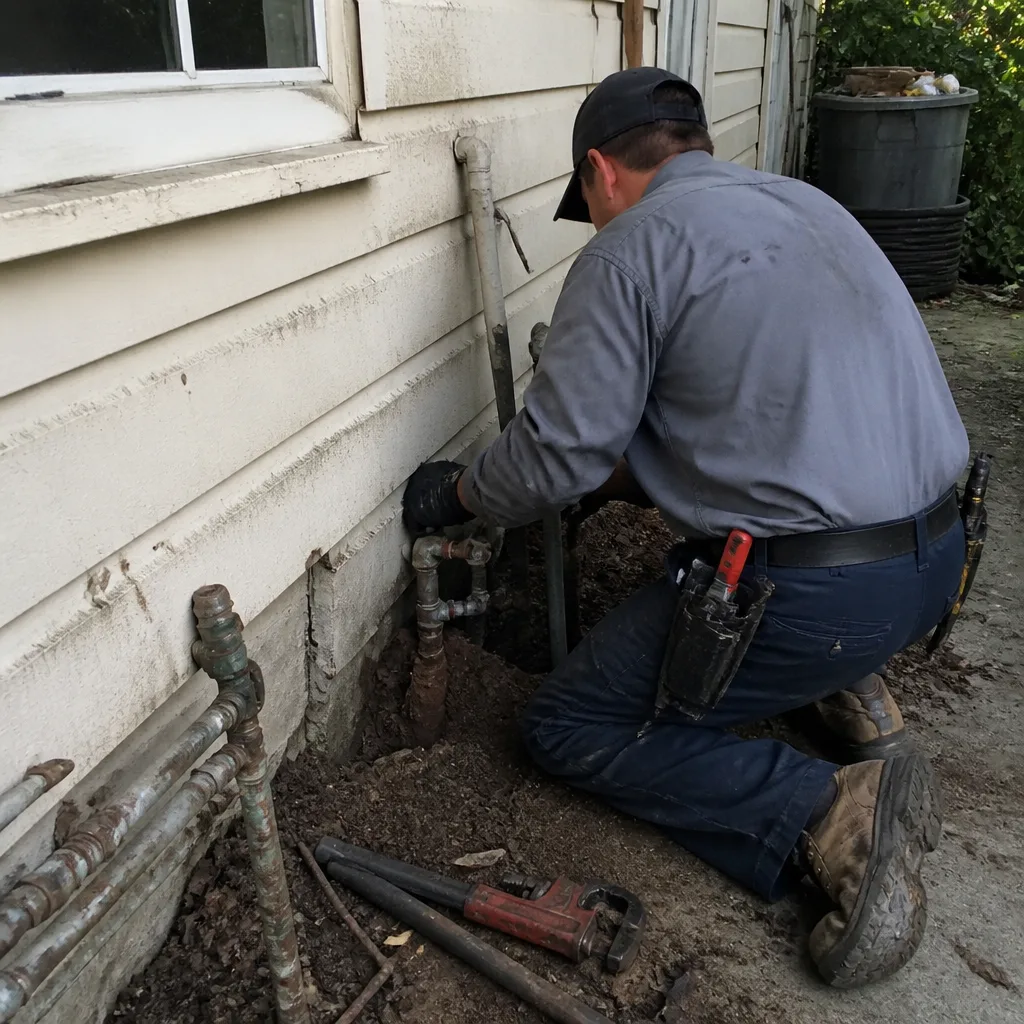 Before
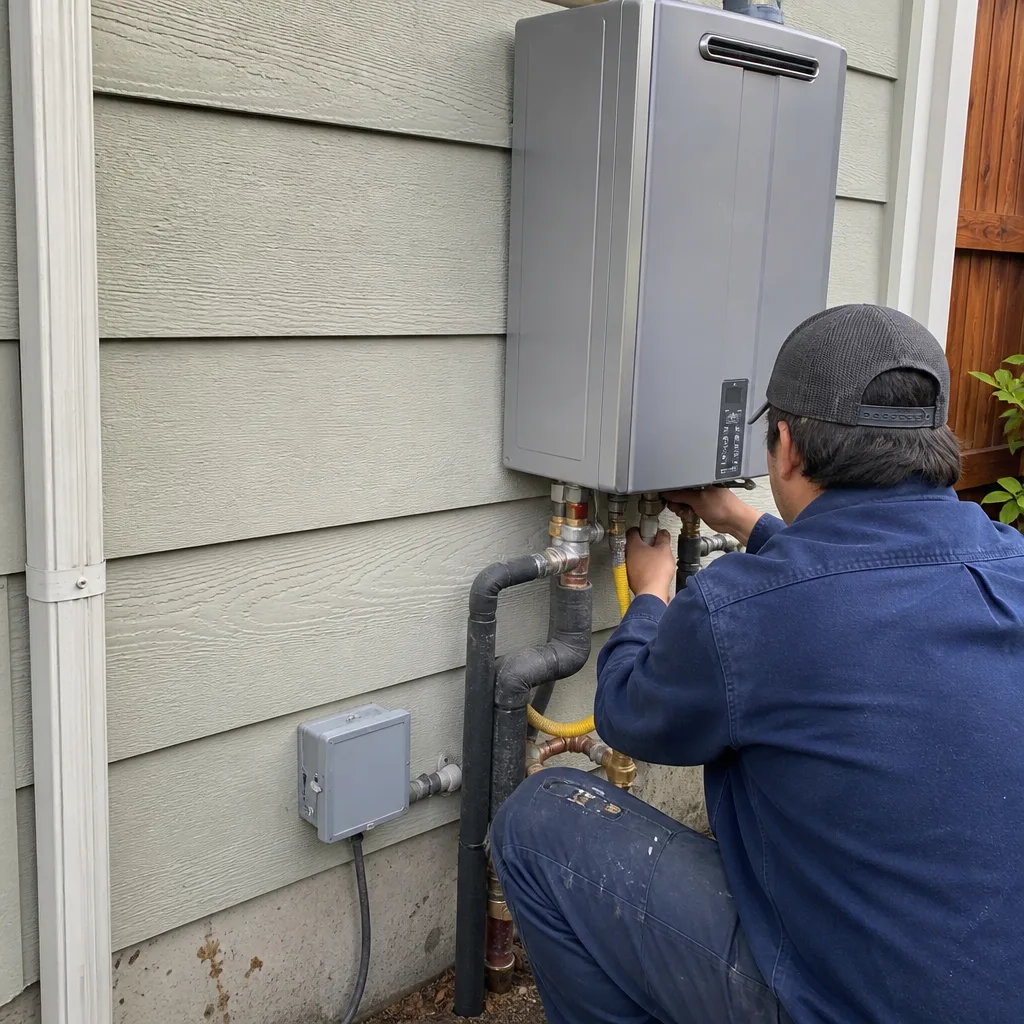 After
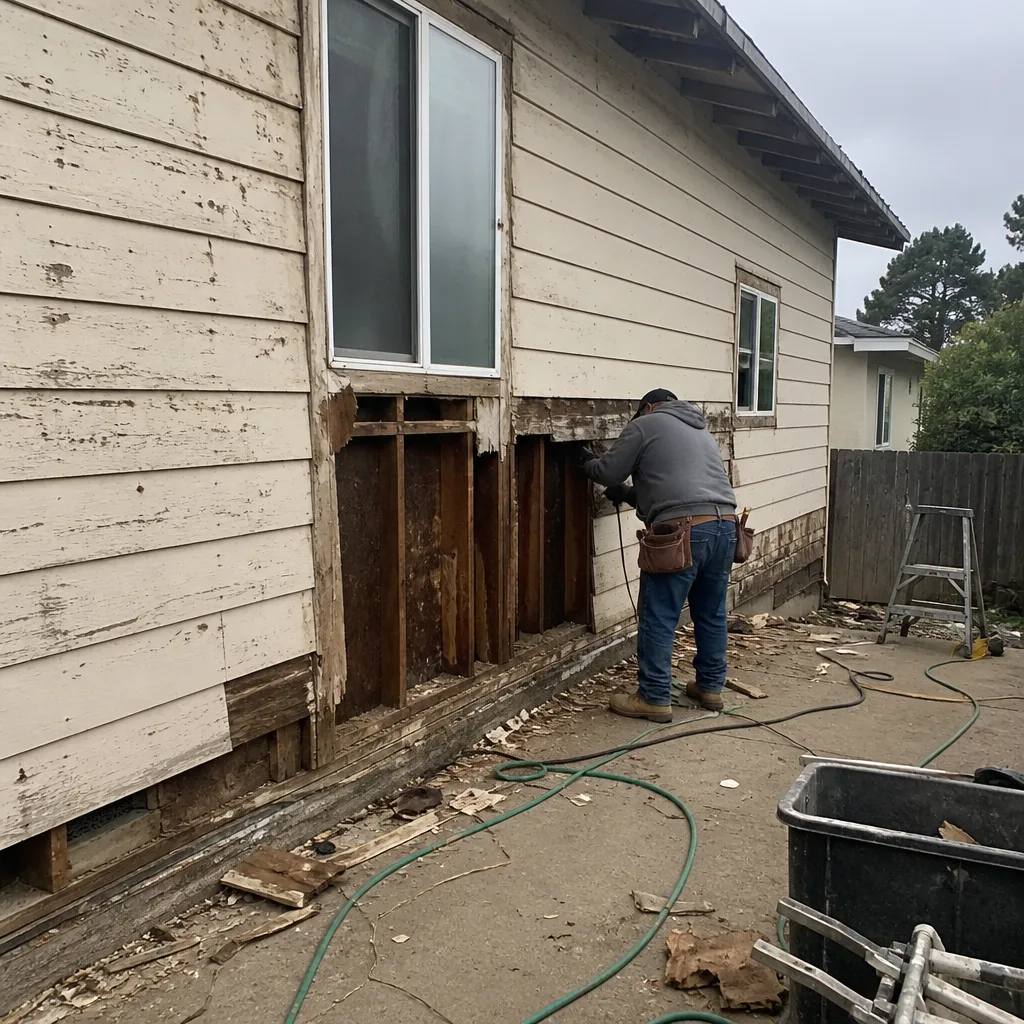 Before
 After
 Before
 After