Last updated October 31, 2026
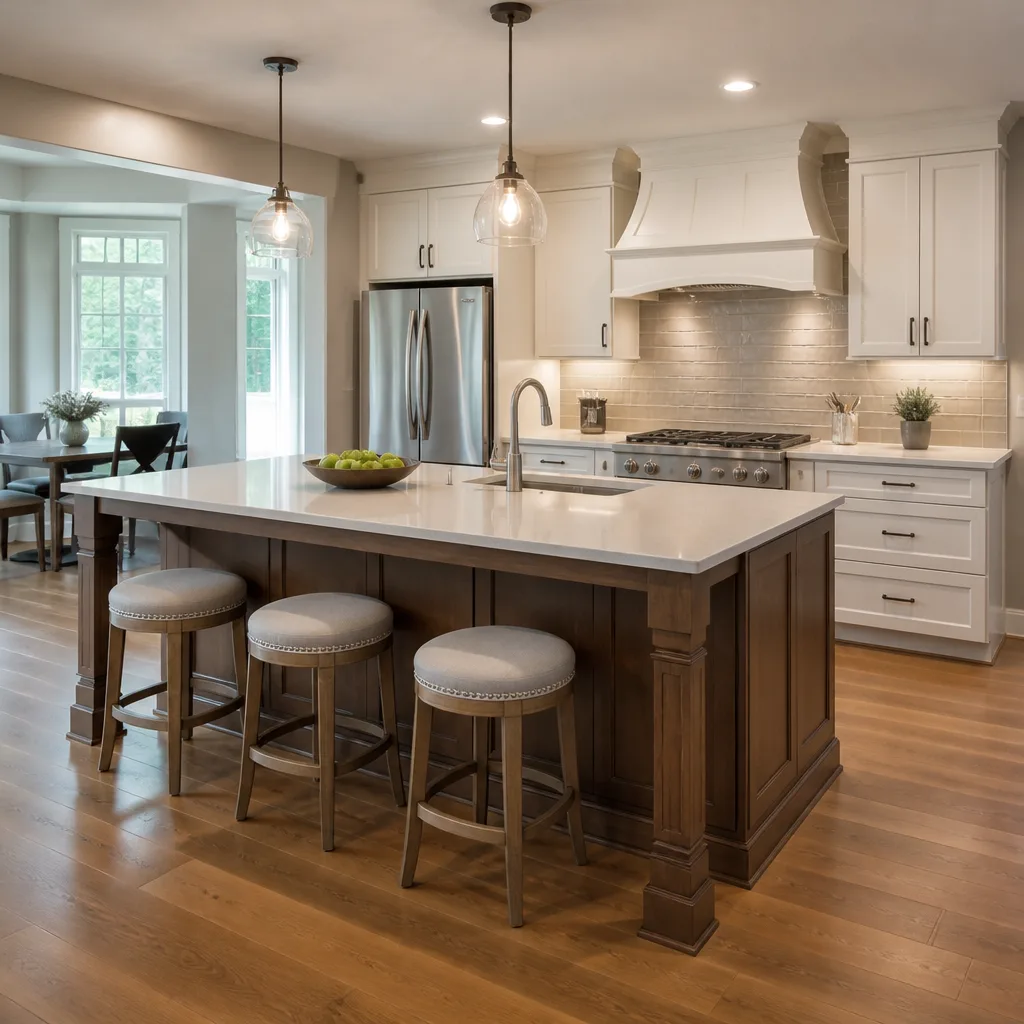 Kitchen remodeling
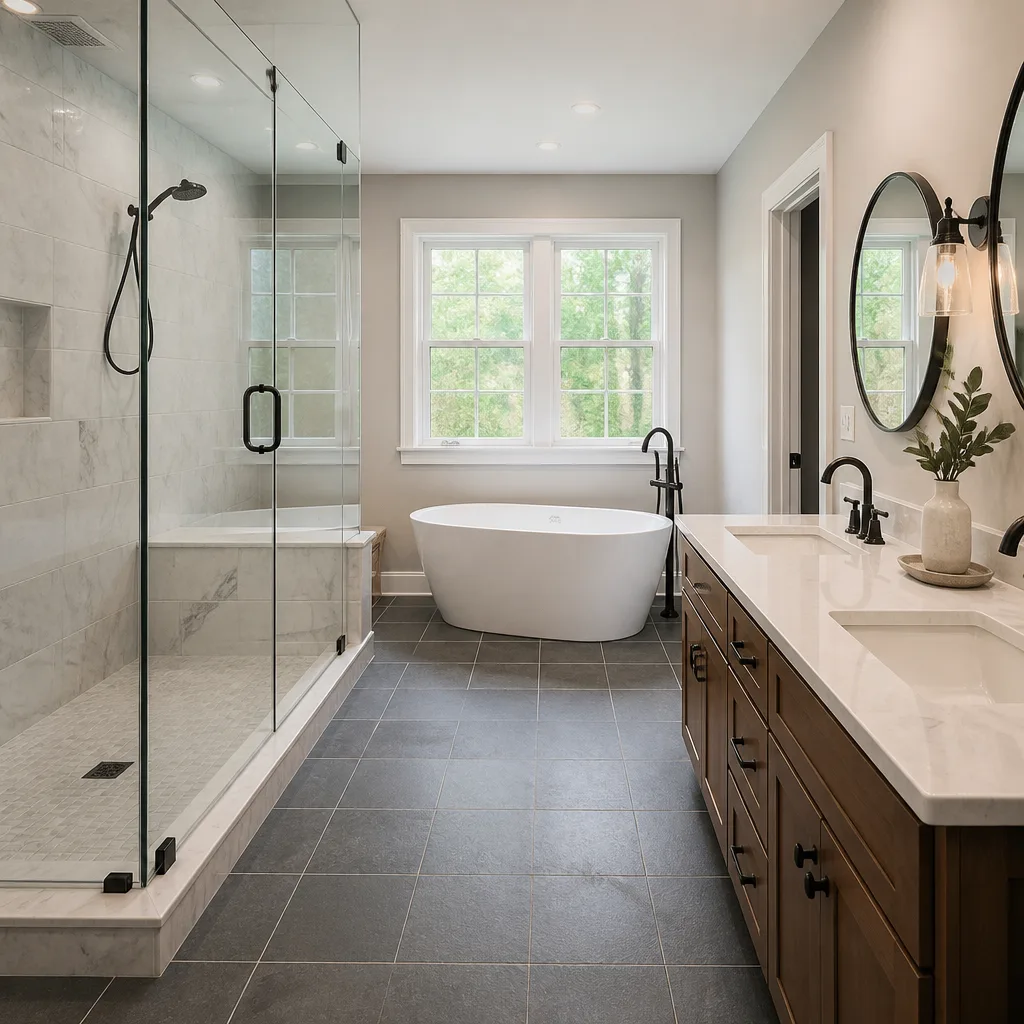 Bathroom remodeling
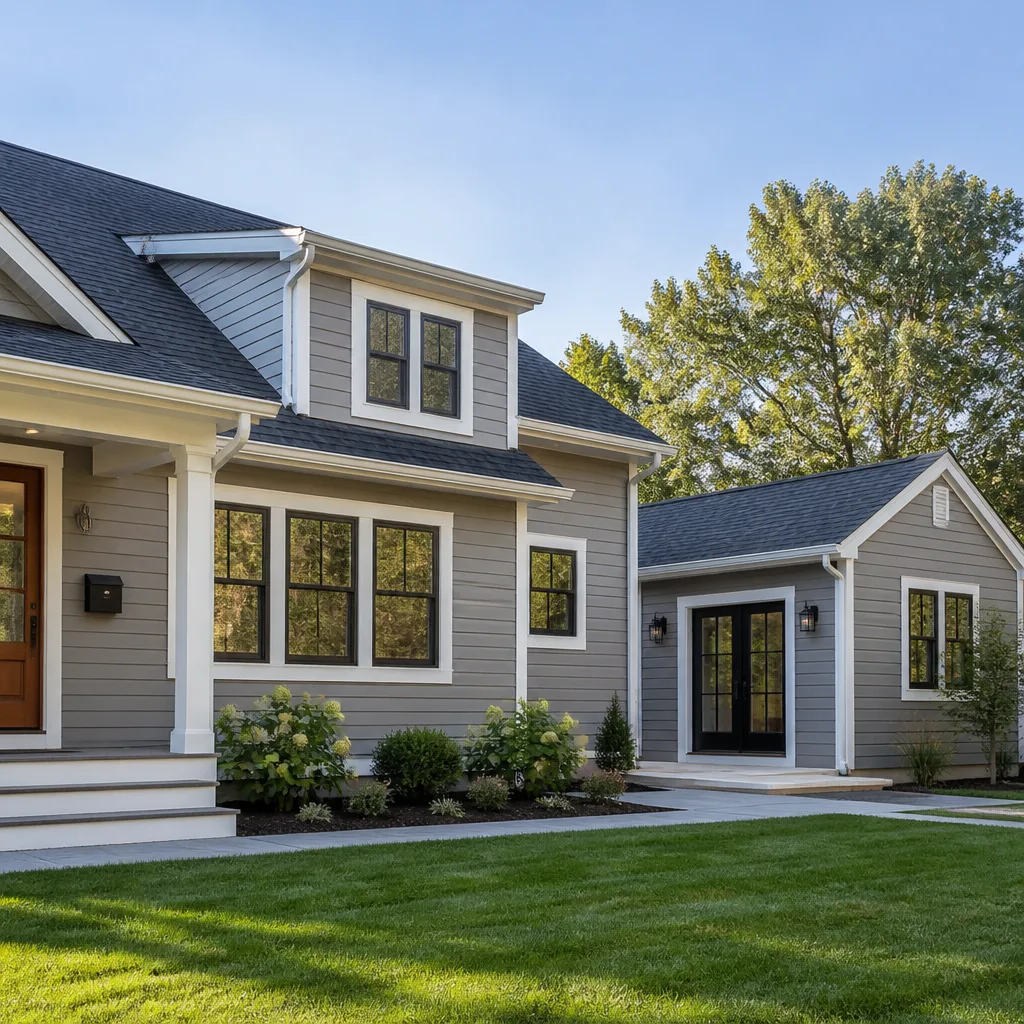 Home additions & ADU
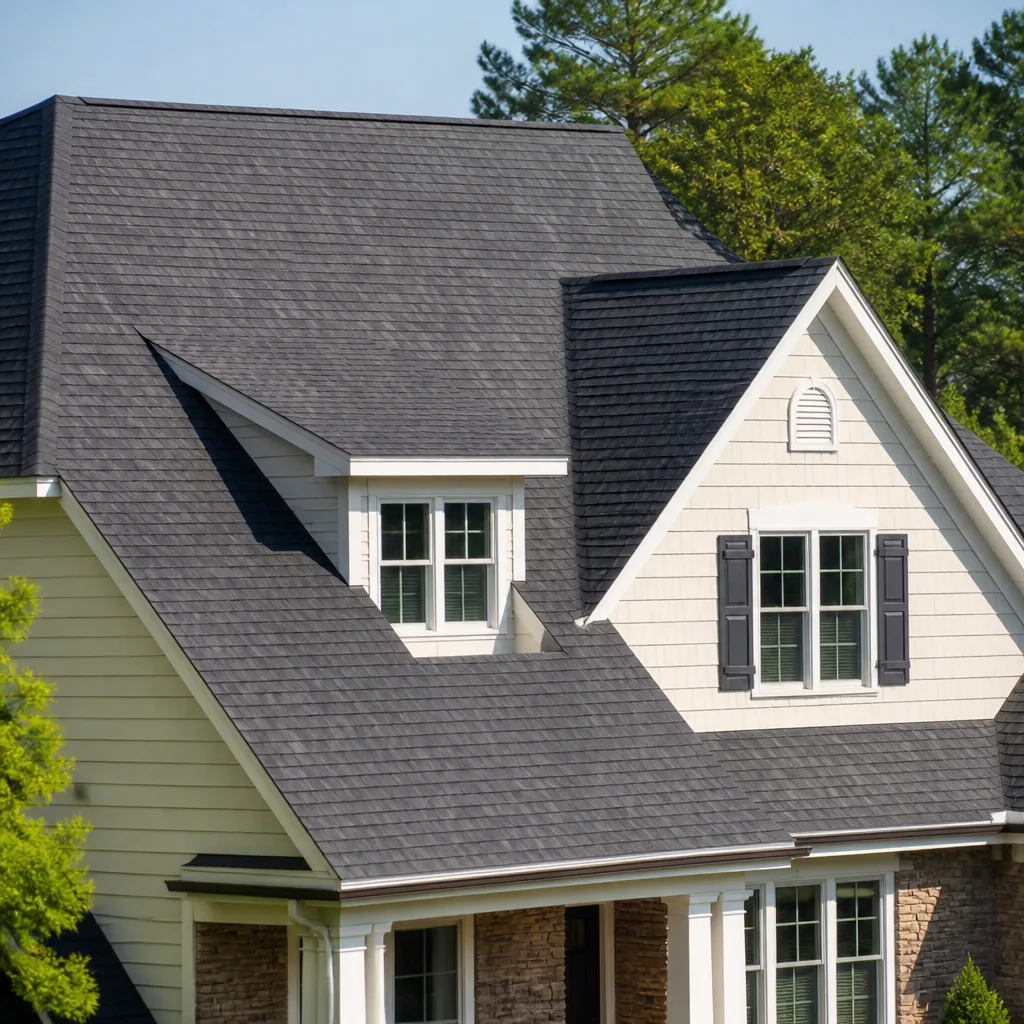 Roofing
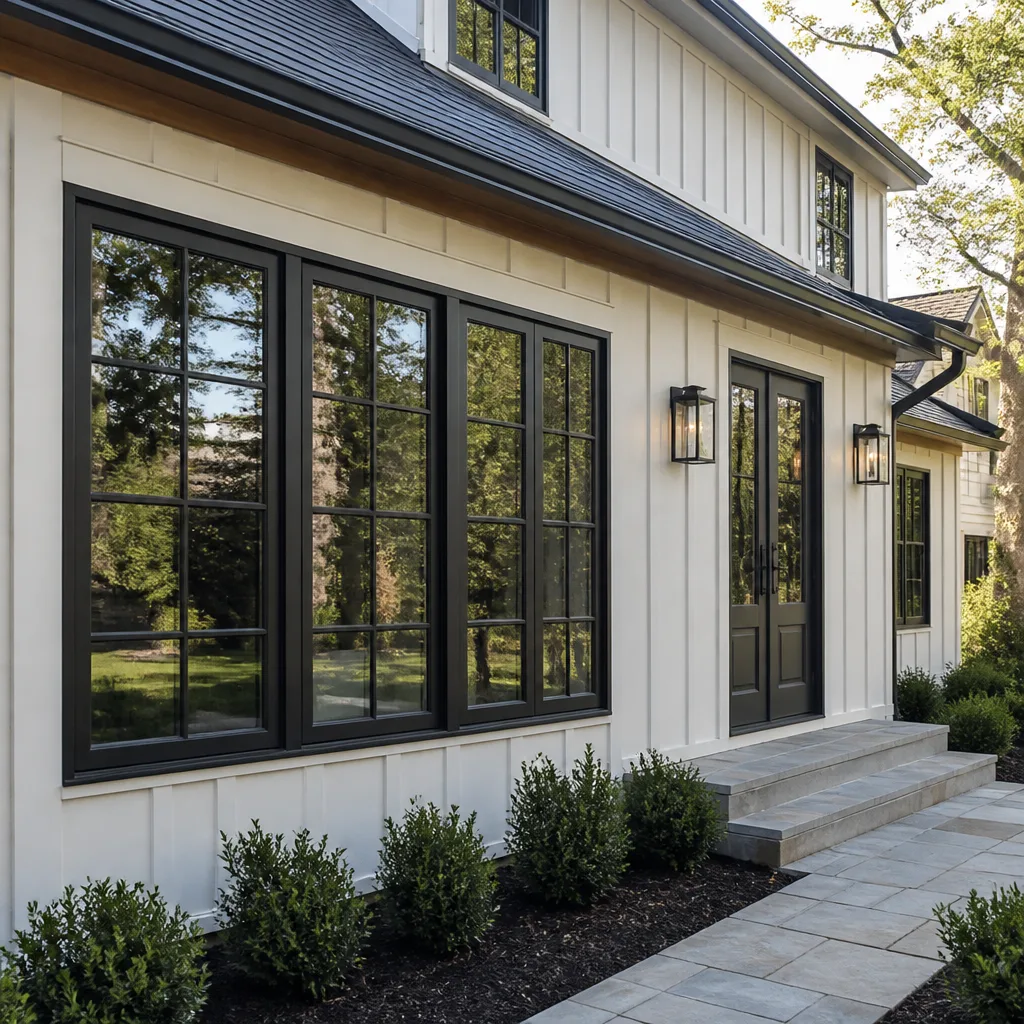 Windows & doors
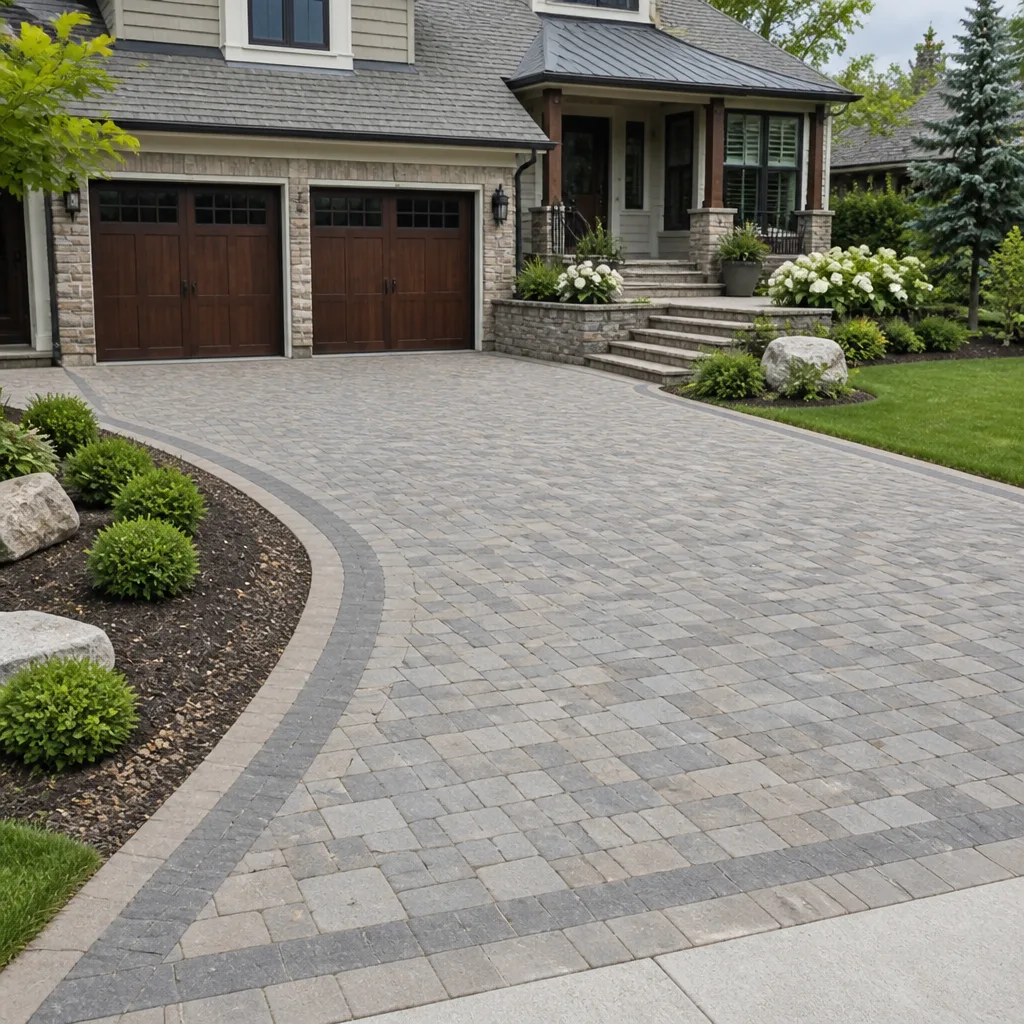 Driveway & pavers
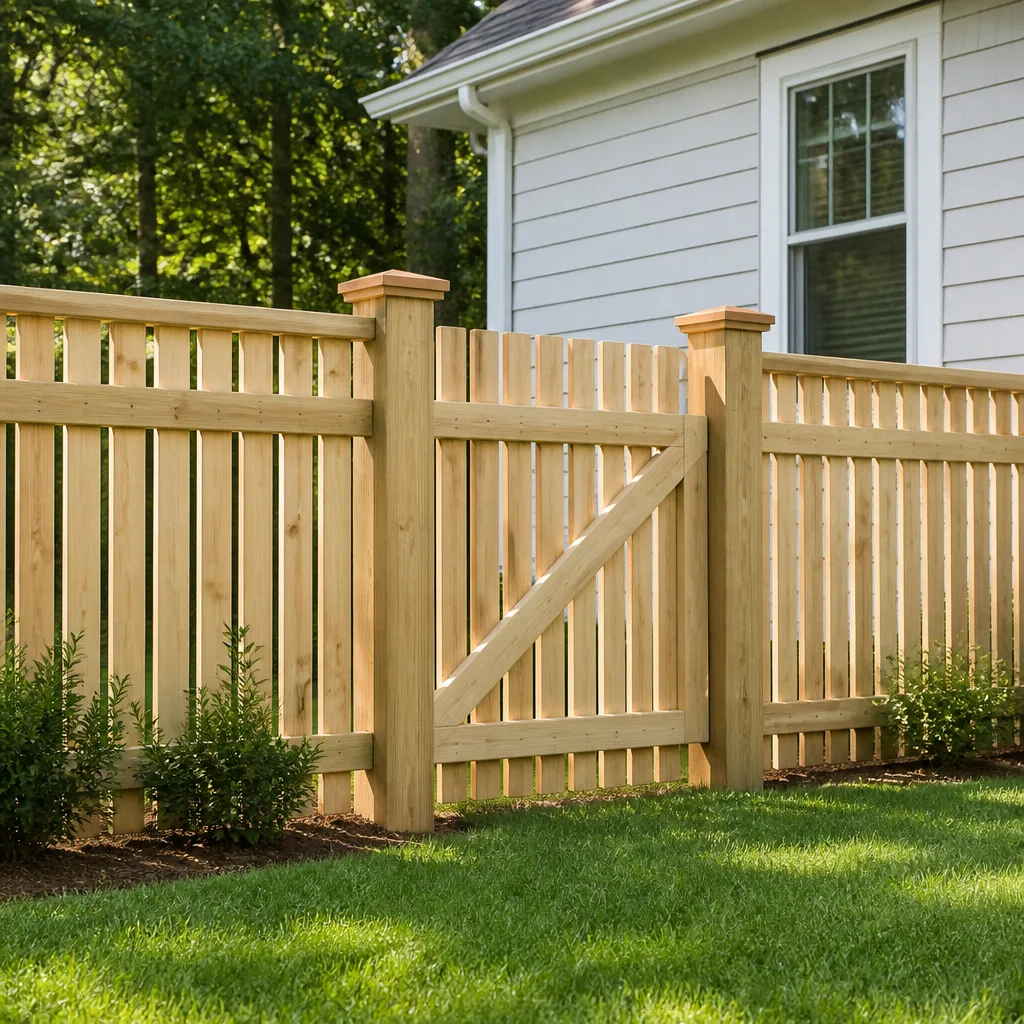 Fence
Free written scope consultation - allowances, timeline, and change-order rules on paper before a single trade is scheduled
Choosing the Right Construction Brand: A Buyer’s Guide for Pacifica
A window rated for California Title 24 compliance isn’t necessarily rated for Pacifica’s coastal salt exposure. Those are two different certification frameworks, and most showrooms don’t distinguish between them when they’re writing your quote. This guide will walk you through the specific performance demands Pacifica’s marine environment places on every material category, from siding and roofing to fasteners and decking, and show you how to select brands that won’t fail prematurely within sight of the Pacific. For a broader overview, see The Complete Guide to Construction in Pacifica. You’ll learn which certifications actually matter here, which brands are specified for coastal work and why, and how to evaluate warranties that often exclude exactly the conditions Pacifica homes face every day.
Quick Answer
The right construction brand for a Pacifica home is one engineered and certified for marine corrosion and UV exposure, not just general California building codes. Look for AAMA 2605 coating standards on metals, ASTM B117 salt spray ratings on fasteners and hardware, and ICC corrosion zone designations for structural components near the coast. Your contractor’s brand access matters as much as the brand itself: a single-brand installer limits you to their shelf, while a General Contractor in Pacifica with multi-brand partnerships can specify the right coastal-rated product for each application.
Styles & brands we work with
Table of Contents
- The Certification Frameworks That Actually Matter in Pacifica
- Siding Brands for Pacifica’s Salt and Fog
- Window and Door Brands That Hold Up on the Coast
- Roofing Manufacturers and Coastal Wind Uplift
- Fasteners and Hardware: The Corrosion Battle You Don’t See
- Decking and Hardscaping Brands for Outdoor Living
- How to Evaluate Coastal Warranty Coverage
- Why Contractor Brand Access Determines Your Actual Options
The Certification Frameworks That Actually Matter in Pacifica
When a product spec sheet lists a dozen certifications, only a few of them address what Pacifica’s climate actually does to building materials. We’re not talking about generic quality marks. We’re talking about test protocols designed to simulate salt spray, marine air, and relentless UV exposure. If a product doesn’t carry these specific ratings, it may be fine for San Bruno or Millbrae, but it’s rolling the dice in Sharp Park or Pedro Point.
Here are the three you need to know, in plain language:
- AAMA 2605: This is the highest coating performance standard from the American Architectural Manufacturers Association. In practical terms, a metal product with AAMA 2605 compliant coating has passed 10-year equivalent weathering tests for color retention, chalk resistance, and gloss. For powder-coated aluminum railings, window frames, and metal roofing near the Pacific, this matters more than any marketing claim about being “weather-resistant.” AAMA 2604 is a mid-tier standard that starts degrading noticeably around year five in coastal conditions. We specify 2605 whenever aluminum touches Pacifica air.
- ASTM B117 Salt Spray: This test measures how long a material or fastener resists corrosion when exposed to a continuous salt fog. A fastener rated for 500 hours in B117 testing is not the same as one rated for 1,000 or 2,000 hours. In Pacifica, where salt-laden wind blows inland from the ocean several days a week, we look for hardware and fasteners with the highest hour ratings a budget allows. The difference between brown streaks on your siding and clean lines ten years later usually comes down to this one spec.
- ICC Corrosion Zone Designations: The International Code Council divides coastal areas into corrosion severity zones. Pacifica falls into zones that require stainless or hot-dipped galvanized connectors, framing anchors, and flashing anywhere within a certain distance of the mean high tide line. The exact zone depends on your specific parcel, but most of Pacifica’s residential neighborhoods fall under “moderate to severe” classification. A contractor pulling permits here must spec to that zone or risk failing inspection. We see this on nearly every exterior project, whether it’s a deck rebuild in Fairmont or a siding replacement in Linda Mar.
These three designations, applied correctly, determine whether your materials last fifteen years or five. They are not interchangeable, and a Title 24 energy compliance label tells you nothing about salt fog performance.
Siding Brands for Pacifica’s Salt and Fog
Pacifica’s fog pattern is the hidden variable in siding selection. Homes in the Linda Mar valley sit in marine layer fog for hours each morning. Homes up the hill in Park Pacifica get more sun but also more direct wind exposure. Both conditions punish different materials differently, which is why a single siding recommendation for all of Pacifica is often a disservice.
Fiber cement, specifically James Hardie, remains the most specified siding product for Pacifica homes because it does not rot, does not warp in wet conditions, and holds its factory finish well. Hardie’s HZ10 formulation is the product line specified for high-moisture and coastal environments. It carries a 30-year finish warranty, which is one of the only siding warranties that holds up under marine conditions without a dozen exclusions. For Pacifica homeowners who want a wood look, Hardie’s ColorPlus technology finishes arrive factory-baked rather than site-painted, which matters because field-applied paint on fiber cement begins failing under Pacifica’s UV and salt exposure faster than factory finishes.
Engineered wood siding products like LP SmartSide carry a 50-year substrate warranty, but the finish warranty is 5 years. Read that carefully. The substrate is protected, but the painted surface that actually keeps moisture out of the substrate is only covered for five years. In Pacifica, where a sunny afternoon can follow a foggy morning, that finish takes a beating. We have seen SmartSide installations in West Sharp Park where the substrate performed fine but the finish chalked visibly within six years.
Vinyl siding is uncommon in Pacifica and we rarely recommend it. Salt air is not vinyl’s primary enemy, but Pacifica’s temperature swings and wind load are. Vinyl expands and contracts more than fiber cement, which means more fastener movement and more gaps over time. In a marine environment, a small gap is an invitation for salt fog intrusion. There are better options for every budget level, including lower-cost Hardie plank lines and certain composite siding products.
Side-by-Side Siding Comparison for Coastal Conditions
- James Hardie HZ10 fiber cement: 30-year finish warranty. Holds color and resists moisture best in Pacifica’s fog belt. Highest initial cost. Our default recommendation for most coastal parcels.
- LP SmartSide engineered wood: 50-year substrate warranty, 5-year finish warranty. Performs well if repainted on schedule. Frequent choice for upper-hill homes with less fog exposure.
- Vinyl siding: 30-40 year lifespan claimed, but fastener movement and expansion gaps in marine air make it a poor value for Pacifica’s wind and salt. Rarely specified by coastal builders.
- Stucco (cementitious): Performs well when properly flashed, but water intrusion in fog-heavy areas is common if hairline cracks are not sealed. Traditional choice on 1970s Pacifica homes; many need restoration now.
Window and Door Brands That Hold Up on the Coast
A window that seals out heat in Sacramento does not necessarily seal out salt in Pacifica. The failure mode is different. Inland, windows fail on seals and spacer bars. In Pacifica, the failure starts at the hardware, the weatherstripping, and the exterior cladding. Salt air corrodes the operating mechanisms, and UV breaks down the flexible seals that keep marine moisture out.
The window brands we see performing well on Pacifica homes after a decade or more are those with aluminum-clad exterior frames or fiberglass frames, not vinyl window frames. PGT, CGI, and Therma-Tru are three manufacturers that make products tested for coastal impact and corrosion conditions. PGT and CGI specifically design windows and doors for coastal exposure, with stainless hardware options, heavy-duty weatherstripping, and exterior coatings tested against salt air. Therma-Tru door systems, especially their fiberglass entry door lines, carry less metal to corrode and use composite jambs that do not swell in Pacifica’s moisture cycles.
One thing we tell every Pacifica homeowner looking at windows: check the hardware specification, not just the glass package. A dual-pane low-E glass unit with an argon fill is great, but if the hinges and latches are zinc-plated steel, they will begin corroding within five years two blocks from the ocean. Coastal-grade window packages use stainless steel or heavy powder-coat finishes on all hardware. This is the difference between a window that opens smoothly in year eight and one that requires both hands and a shoulder.
For full exterior envelope coverage, the same principle applies to doors. A wood entry door is beautiful and will warp within months near the ocean unless it is protected by a deep overhang. Fiberglass doors from Therma-Tru outperform wood in Pacifica’s humidity swings and carry less thermal expansion risk than steel doors, whose metal skins corrode from the inside out once the paint film is breached by salt.
Roofing Manufacturers and Coastal Wind Uplift
Roofing failures in Pacifica are rarely about shingle quality alone. They are about fastening patterns, underlayment, and edge metal. The brands that dominate coastal work, including GAF, CertainTeed, and Owens Corning, all make architectural shingles with comparable warranty periods. The difference in a Pacifica installation comes down to which product line is specified and how the roof system is assembled underneath.
For Pacifica homes, we look for shingles with high wind uplift ratings. GAF Timberline HDZ carries a 130 mph wind warranty when installed with the required number of nails and GAF’s specified underlayment. CertainTeed Landmark Pro and Owens Corning Duration lines offer similar ratings. The number that matters is not just the wind speed, but whether the manufacturer’s coastal installation method is followed: more nails per shingle, full-width adhesive strips, and synthetic underlayment rated for high exposure.
Roofs within sight of the Pacific get hammered by wind-driven rain from the west and southwest. The underlayment matters as much as the shingle. We specify synthetic underlayment, not felt, on every Pacifica reroof. Synthetic underlayment does not absorb water the way felt does, and it holds its fasteners better under uplift. The cost difference is small, and the performance gap widens every year.
Flashing and edge metal are the other two components that quietly determine how long a Pacifica roof lasts. Factory-painted galvanized steel flashing is standard, but near the ocean we prefer stainless or at minimum heavy-gauge coated steel rated for marine exposure. The drip edge and rake edge are the first parts to corrode and pull loose in high wind. Specifying the right metal at those transitions is what separates a roof that lasts 20 years from one that needs edge repairs in eight.
Fasteners and Hardware: The Corrosion Battle You Don’t See
Every exterior project in Pacifica is, at its core, a fastener project. The nails, screws, anchors, and connectors that hold everything together are the first materials to fail in salt air. We have opened up decks in Westview and found structural framing in good condition while the galvanized fasteners had corroded to the point of failure. The wood outlasted the metal.
Here is how to evaluate fasteners for coastal work, step by step:
- Check the plating standard. Hot-dipped galvanized (HDG) fasteners carry a thicker zinc coating than electro-galvanized. In Pacifica’s salt air, HDG is the minimum for any exposed fastener. Electro-galvanized fasteners will rust within two to three years near the coast.
- Look for ASTM B117 salt spray hour ratings. The best exterior screws and nails carry explicit hours of salt fog resistance, often 1,000 hours or more. If the manufacturer does not publish a B117 rating, assume it was not tested for marine conditions.
- Specify stainless steel for structural connections. For deck framing, railing posts, and any load-bearing hardware within two miles of the Pacific, stainless steel connectors and lag screws are worth the premium. Simpson Strong-Tie makes marine-grade stainless product lines specifically for this application. The cost is significant but far less than rebuilding a deck because the connectors corroded.
- Match the fastener to the treated lumber. Modern pressure-treated lumber uses copper-based preservatives that are more corrosive to metal than older formulations. Fasteners used with treated lumber in Pacifica must be rated for ACQ or CA-B treated lumber compatibility.
The fasteners that fail first are always the ones hidden under trim or behind flashing. A homeowner never sees them until something starts sagging or pulling away. That’s why fastener specification is a “trust the contractor” moment. If your contractor cannot tell you what plating standard their fasteners carry, they have not thought about coastal performance.
Decking and Hardscaping Brands for Outdoor Living
Outdoor living spaces in Pacifica take the worst of everything: salt-driven wind, daily fog, and intense afternoon sun when the marine layer burns off. Decking and hardscape materials specified for suburban California conditions often fail here precisely because the coastal formula is different.
For composite decking, the two factors that matter are the board’s moisture absorption rate and the fastener system’s corrosion resistance. Composite boards with high recycled content can absorb moisture in prolonged fog. That moisture expands and contracts with temperature swings, causing boards to cup or warp. We look for composite products with capped polymer exteriors and low water absorption specs. The same logic applies to PVC decking lines, which absorb almost no moisture and perform well in Pacifica’s fog cycle but carry a higher upfront cost.
Hardscaping is where Pacifica homeowners get the most visible return on brand choice. Pavers from Unilock, Techo-Bloc, and Cambridge Pavers carry different paver densities, color-fastness ratings, and surface finishes. The key is efflorescence resistance and color stability under UV plus salt. Cheaper pavers absorb moisture from the fog and develop white efflorescence staining within the first two seasons. The higher-spec paver lines use denser concrete mixes and integrated color pigments that hold their appearance longer in marine conditions.
For retaining walls and walkways on Pacifica hillsides, the paver’s compressive strength and the wall system’s ability to handle drainage matter more than appearance. Techo-Bloc and Unilock both make engineered wall systems designed for wet climates with built-in drainage paths. Cambridge Pavers offers strong color retention in its premium lines and a price point that works well for larger patio spaces in neighborhoods like Pacifica Manor and Sharp Park. The important thing is to match the product to the specific Pacifica microclimate: a paver that performs well in a shaded fog pocket may not be the same one needed for a full-sun exposure in Park Pacifica.
How to Evaluate Coastal Warranty Coverage
Coastal warranty exclusions are the dirty secret of the building materials industry. Many manufacturers proudly advertise 30-year or lifetime warranties, then bury a clause excluding damage from salt spray, saltwater intrusion, or “coastal environments.” If you live within two miles of the Pacific, which describes most of Pacifica, that standard warranty may be nearly worthless.
Here is how to read a warranty for coastal relevance:
- Find the coastal exclusion clause first. Look for language like “salt water exposure,” “coastal areas,” “corrosive environments,” or “marine atmosphere.” Some warranties define coastal as within five miles of salt water. If an exclusion exists, the product is not warranty-backed for your location, period.
- Check whether the finish warranty survives salt air. Many siding and metal products separate substrate warranty from finish warranty. A 50-year substrate warranty means the board will not rot, but a 5-year finish warranty means the color may chalk or fade long before the board fails. In Pacifica, finish failure is the primary issue, so a short finish warranty matters more than a long substrate warranty.
- Look for explicit coastal product lines. Manufacturers like James Hardie make coastal-specific product formulations with warranties that apply to marine environments. GAF, CertainTeed, and Owens Corning all publish coastal installation methods that must be followed for wind warranty coverage to apply. A product line without a documented coastal spec is not a coastal product, no matter what the sales rep says.
- Ask who warrants the installation. A manufacturer’s material warranty covers the material only. Workmanship warranties come from the contractor. If the contractor is gone in two years, the labor warranty is gone too. A general contractor with a long local track record in Pacifica carries more warranty weight than a remote sales team. Our team at Copperleaf Contractors has been serving Pacifica since 2017, and we stand behind the installations we complete.
Why Contractor Brand Access Determines Your Actual Options
Homeowners often assume they can pick any brand they want and then find a contractor to install it. The reality is different. A contractor who installs one siding brand, sourced from one supplier, will not quote other options because they cannot access competitive pricing or do not have installation familiarity. That is not necessarily dishonesty; it’s the practical limitation of a single-brand business model.
The gap between a single-brand installer and a multi-brand general contractor is the single biggest factor determining what materials actually get installed on your Pacifica home. A contractor with access to 50-plus vetted brands across cabinetry, countertops, plumbing fixtures, roofing, windows, siding, fencing, and hardscaping can specify the best-performing product for each application rather than the best product they happen to stock. This matters most in Pacifica because coastal conditions demand specific products, not generic ones.
For example, a Home Remodeling in Pacifica project that includes both interior cabinetry and exterior siding requires two completely different brand decisions. We source cabinetry from manufacturers like KraftMaid and Wellborn while specifying James Hardie fiber cement siding for the exterior. A cabinetry shop cannot quote siding. A siding installer cannot quote cabinetry. A general contractor who manages both under one roof can coordinate the entire scope without you playing project manager between trades.
The same principle applies to countertops. Pacifica homeowners choosing between Cambria, Silestone, and Caesarstone benefit from an honest comparison of slab quality, edge options, and warranty coverage. A fabricator who represents one quartz line will naturally steer you toward that line, whether or not it is the best value for your kitchen. A contractor who is brand-agnostic can show you the real differences and let the material, not the markup, drive the decision.
We apply this same logic to exterior systems. Roofing from GAF, CertainTeed, or Owens Corning. Windows and doors from PGT, CGI, or Therma-Tru. Fencing from Master Halco, Ameristar, or Jerith. Hardscaping from Belgard, Unilock, or Techo-Bloc. Each category has multiple credible options, and the right choice depends on your specific Pacifica parcel, budget, and design goals. Single-brand access eliminates that choice before you ever see a quote. Home Renovation in Pacifica projects across the city face this exact dynamic, and the homeowners who get what they actually want are the ones whose contractor can say yes to more than one brand per category.
Common Mistakes to Avoid
- Specifying inland materials for a coastal home. A Title 24 compliant window keeps energy costs down but says nothing about salt corrosion resistance. Pacifica homes need both compliance and marine-rated hardware, and skipping the marine spec means replacing hardware within five years.
- Accepting the default fastener package. Most contractors use electro-galvanized fasteners because they are cheaper and readily available. In Pacifica’s salt air, those fasteners rust through within two or three years. Specify hot-dipped galvanized or stainless, and get it in writing.
- Ignoring the finish warranty. A lifetime substrate warranty with a 5-year finish warranty is a 5-year warranty in Pacifica. The finish is what fails first in coastal conditions, and it is the part that is almost never covered for the full term.
- Choosing a contractor based on price without checking brand access. The low bid often reflects a single-brand supplier relationship, limited material options, and generic specifications. You get what the contractor stocks, not what your Pacifica home needs.
- Treating hardscaping as an afterthought. Pavers and retaining walls on Pacifica hillsides face fog, salt, and drainage challenges that inland hardscape products are not designed to handle. Choose paver brands with proven coastal performance, not the cheapest option at the landscape yard.
- Believing “coastal” marketing language without asking for the test standards. The word “coastal” on a product box means nothing unless it is backed by AAMA 2605, ASTM B117, or ICC corrosion zone documentation. Ask for the spec sheets and read the fine print.
- Overlooking the gap between material warranty and labor warranty. A manufacturer warranty covers materials only. If your contractor installs them incorrectly, the manufacturer will not pay for the fix. Choose a local Pacifica contractor with a track record you can verify, not a distant crew with a great material price.
See the difference
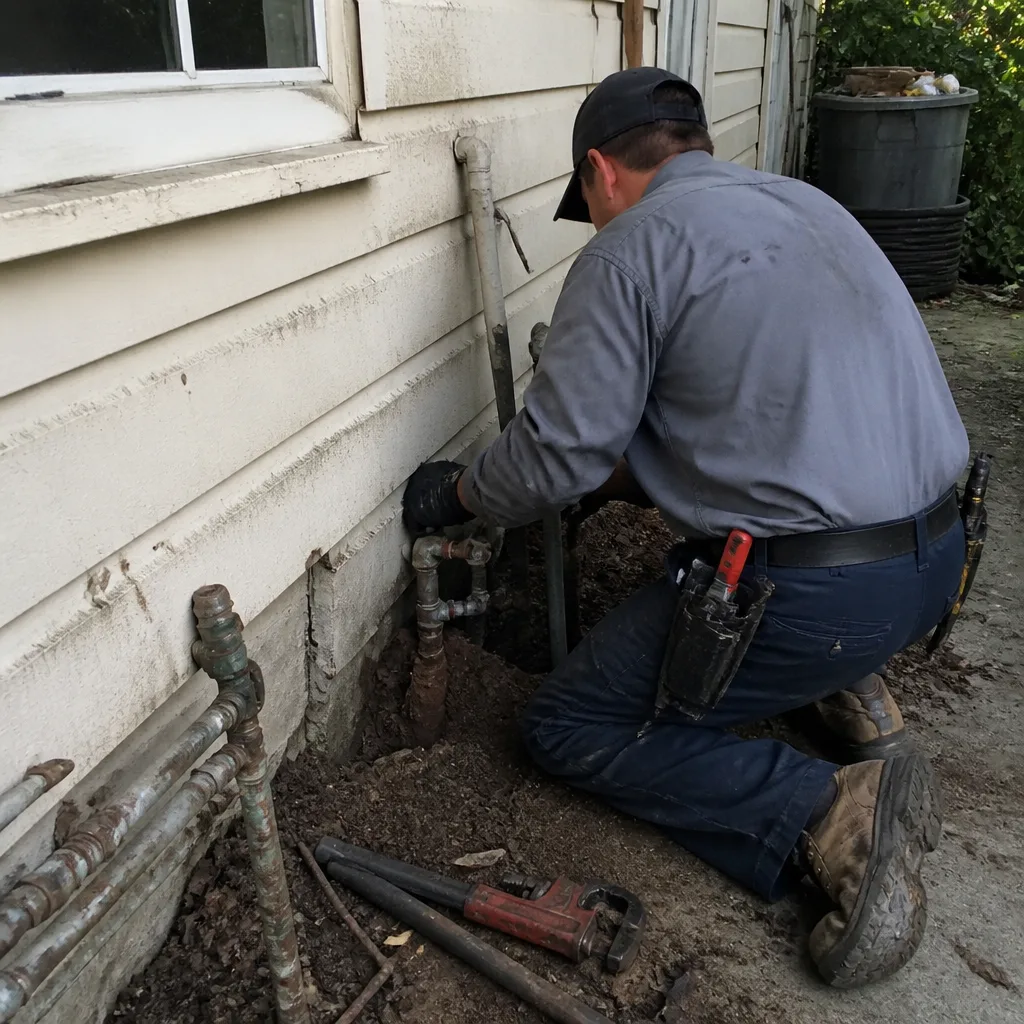 Before
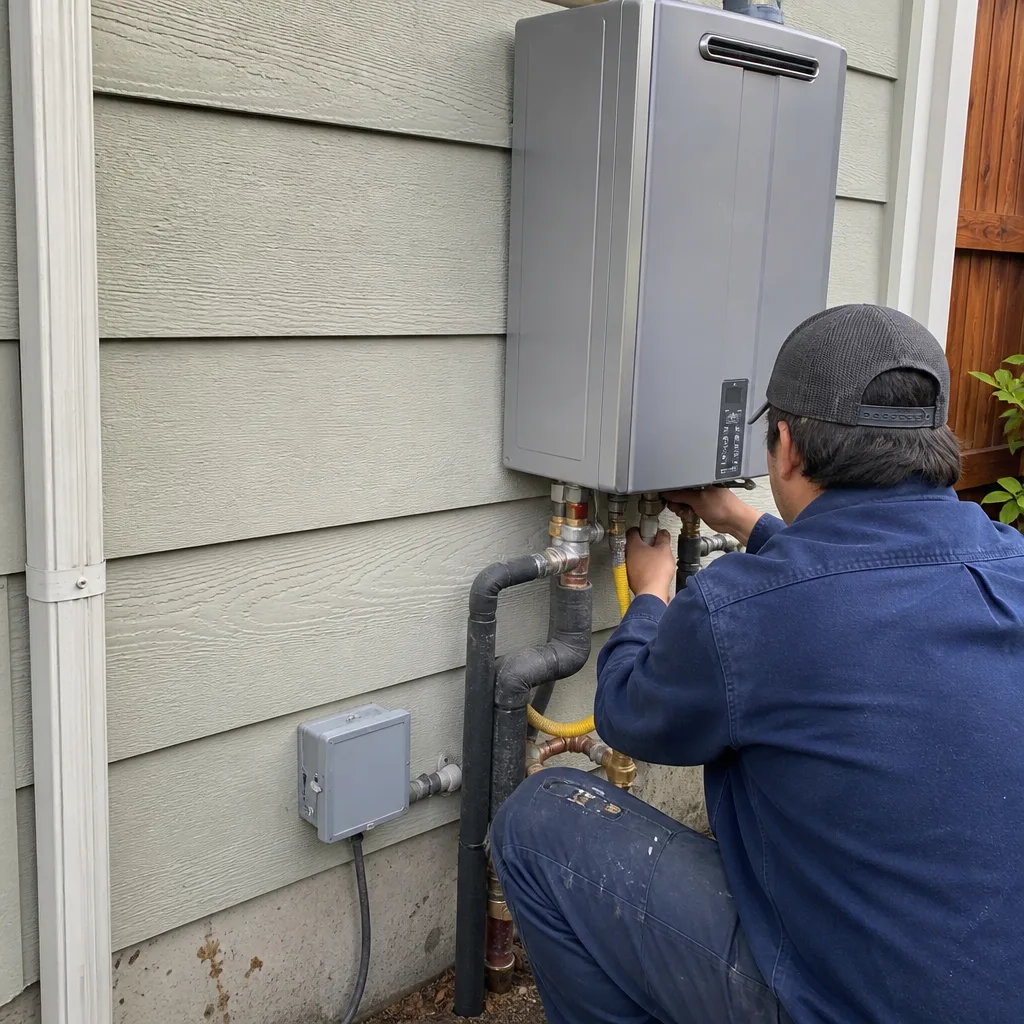 After
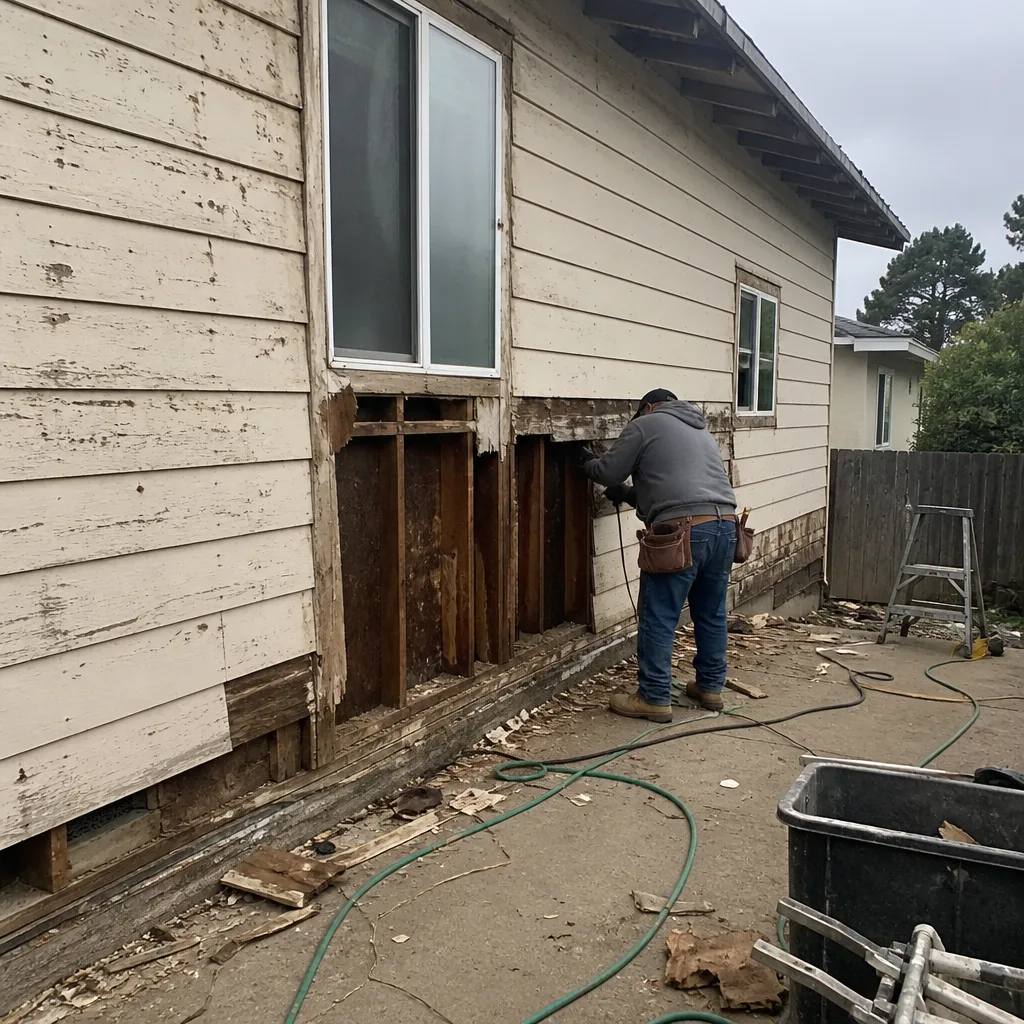 Before
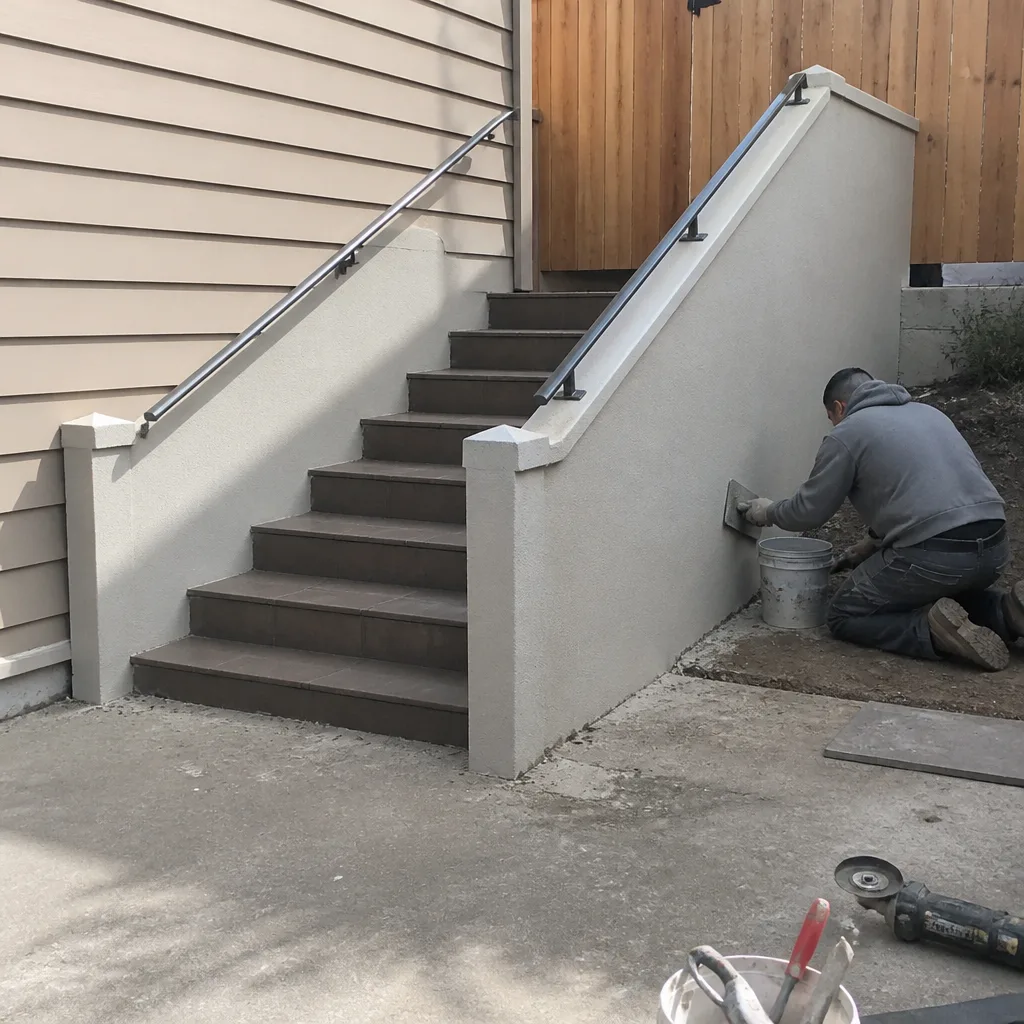 After
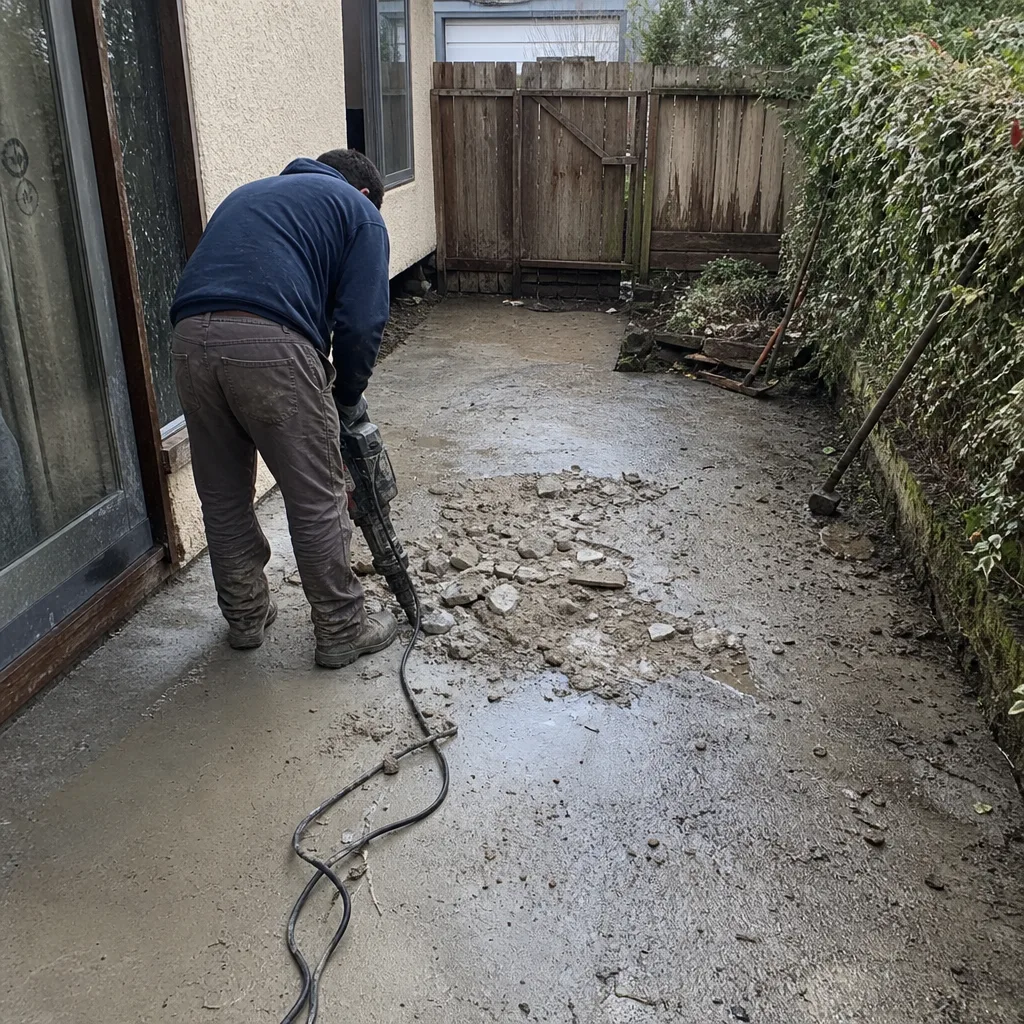 Before
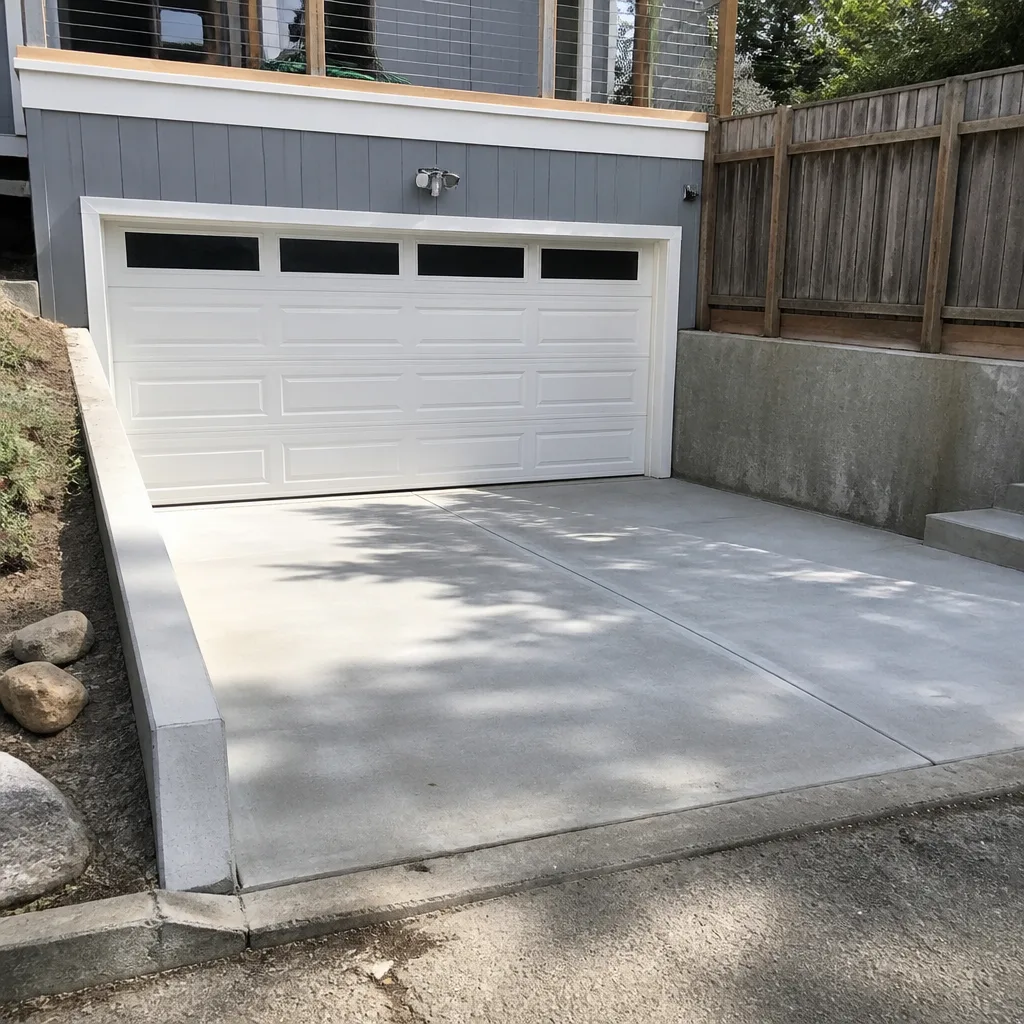 After
When to Call a Professional
Brand selection gets complicated fast when coastal performance, warranty coverage, and budget all pull in different directions. If you are planning a project where the exterior envelope is involved, where structural fasteners matter, or where you are choosing between multiple brands with overlapping specs, a professional evaluation will pay for itself in avoided replacement cost. This is especially true for Pacifica homes within a mile of the ocean, where standard product recommendations from an inland showroom will not hold up. We recommend calling a contractor who can show you multi-brand options side by side with real coastal performance data, not the single line they happen to represent. Copperleaf Contractors offers free estimates in Pacifica. Call (833) 589-8173 to schedule yours.
Frequently Asked Questions
James Hardie fiber cement, specifically the HZ10 product line, is the most specified siding for Pacifica homes because it resists moisture, salt, and UV damage better than vinyl or engineered wood, and it carries a 30-year finish warranty that applies to coastal environments. Vinyl siding performs poorly in Pacifica’s wind and temperature swings, and engineered wood’s finish warranty is typically only 5 years. Call (833) 589-8173 for a free evaluation of your siding needs.
Look for AAMA 2605 coating standards on metal products, ASTM B117 salt spray ratings on fasteners and hardware, and ICC corrosion zone designations on structural components. If none of these appear on the spec sheet, the product has not been tested for marine environments. A Title 24 energy label is not a coastal rating and tells you nothing about salt performance.
Coastal-grade materials typically cost 15% to 30% more than standard products because they carry marine-rated coatings, stainless hardware, and higher-spec fasteners. See our Construction Cost Breakdown: The Pacifica Homeowner’s Reference for 2026 for detailed pricing by category. The increase is real but modest compared to replacing standard materials that fail prematurely. A roof that lasts 20 years instead of 10 is cheaper over time than two standard roofs.
Many standard warranties exclude salt air, salt spray, and coastal environments entirely, especially within five miles of the ocean. Read the warranty’s exclusion clause first. Coastal-specific product lines from manufacturers like James Hardie are the exception, not the rule, and installation must follow the manufacturer’s coastal method for the warranty to apply.
Hot-dipped galvanized fasteners are the minimum for most exterior applications in Pacifica, and stainless steel is recommended for structural connections, deck framing, and railing posts within two miles of the coast. Electro-galvanized fasteners will rust through within two or three years. Fasteners used with pressure-treated lumber must be rated for ACQ or CA-B treated lumber compatibility.
Yes, Copperleaf Contractors sources and installs products from more than 50 vetted brands across cabinetry, countertops, plumbing fixtures, roofing, windows, siding, fencing, and hardscaping. That means we can compare options across competing manufacturers, including James Hardie, GAF, CertainTeed, PGT, Therma-Tru, Unilock, Techo-Bloc, and Cambridge Pavers, and recommend the best coastal-rated product for your specific Pacifica location. Call (833) 589-8173 to schedule a free estimate.
The Bottom Line
Pacifica’s marine environment makes brand selection a structural decision, not an aesthetic one. The materials that perform well two miles inland will not necessarily survive five years of salt fog and wind-driven rain. The right approach is to look beyond generic “coastal” marketing and demand documented performance: AAMA 2605 coatings, ASTM B117 salt spray ratings, ICC corrosion zone compliance. Then choose a contractor who can actually specify across multiple brands per category, because single-brand access limits your real options before you ever see a quote. The premium for coastal-rated products is a fraction of what you will spend replacing standard materials that fail early. Choose the material, not the markup, and build to the brand standard your Pacifica home deserves. Explore more guides & resources for Pacifica homeowners.
Written by the team at Copperleaf Contractors, serving Pacifica since 2017.