
Last updated October 31, 2026
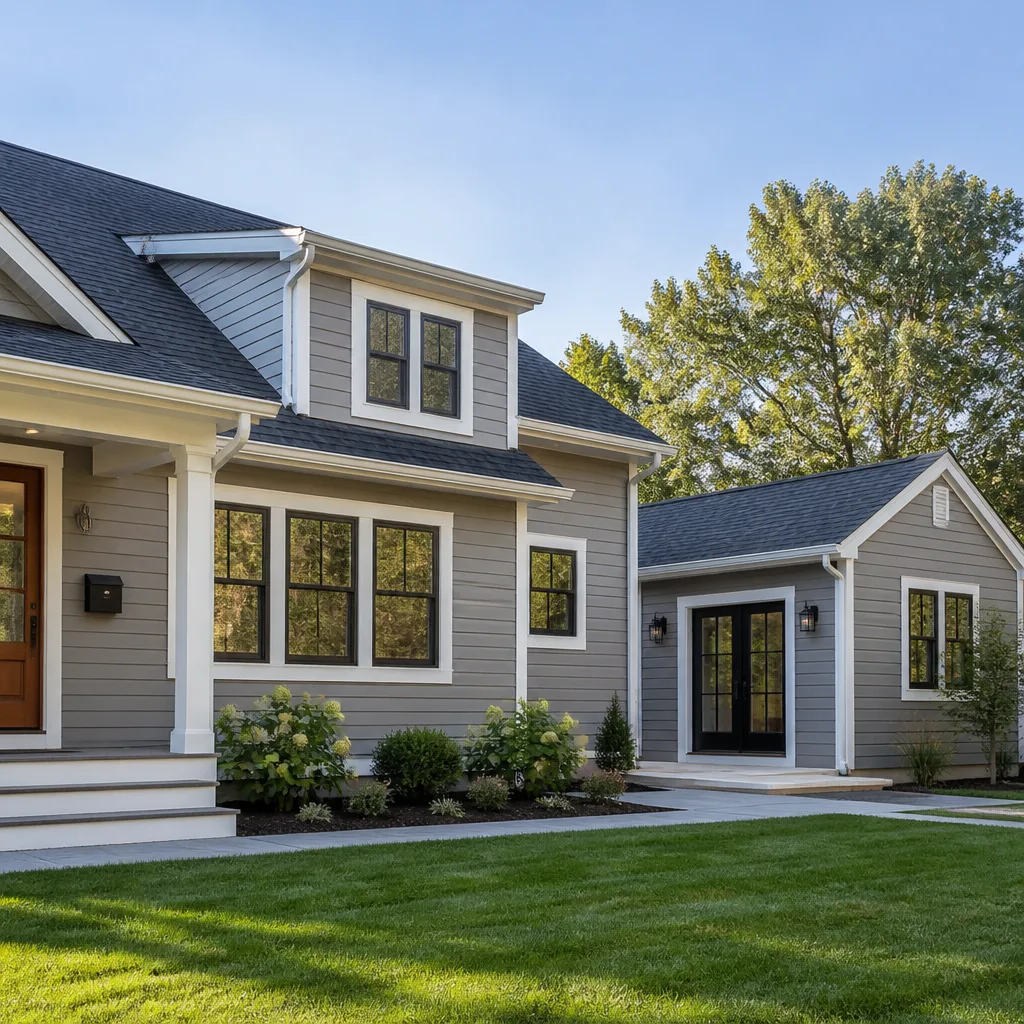 Home additions & ADU
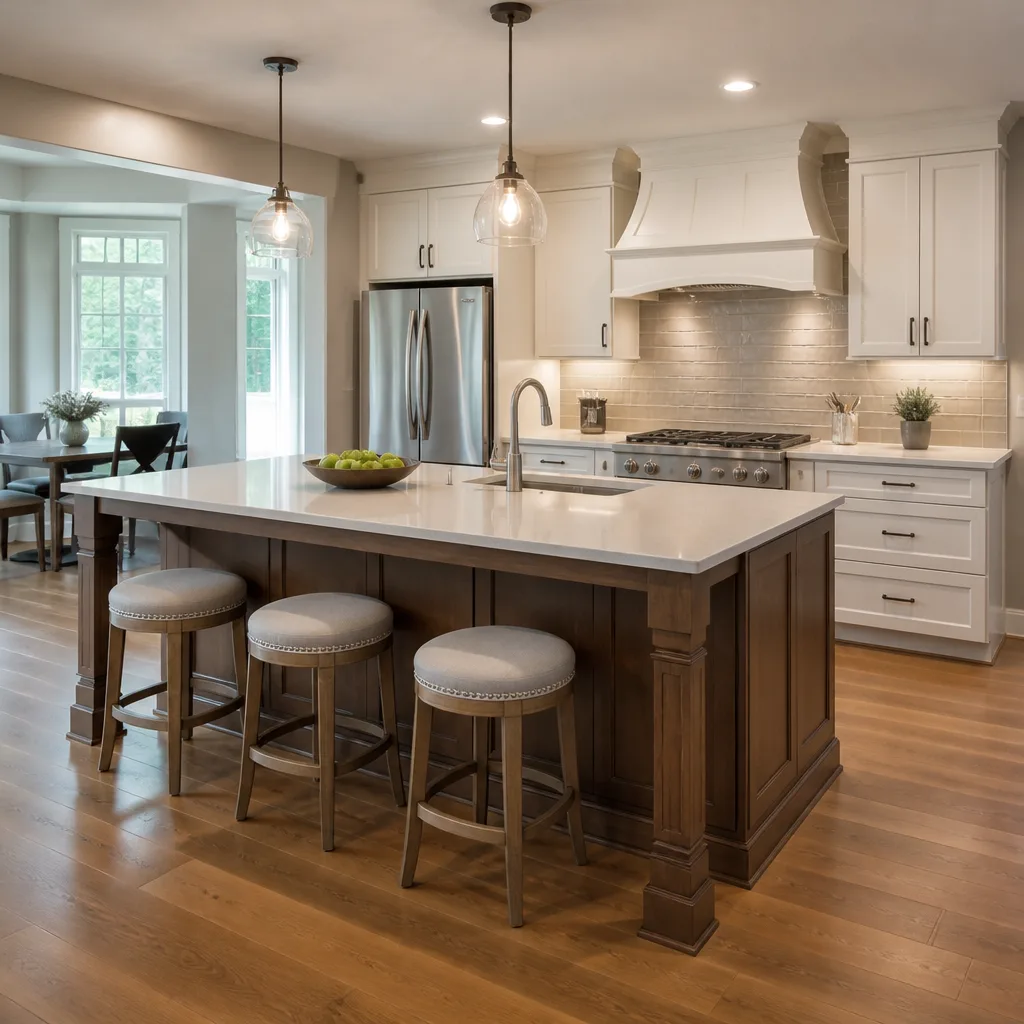 Kitchen remodeling
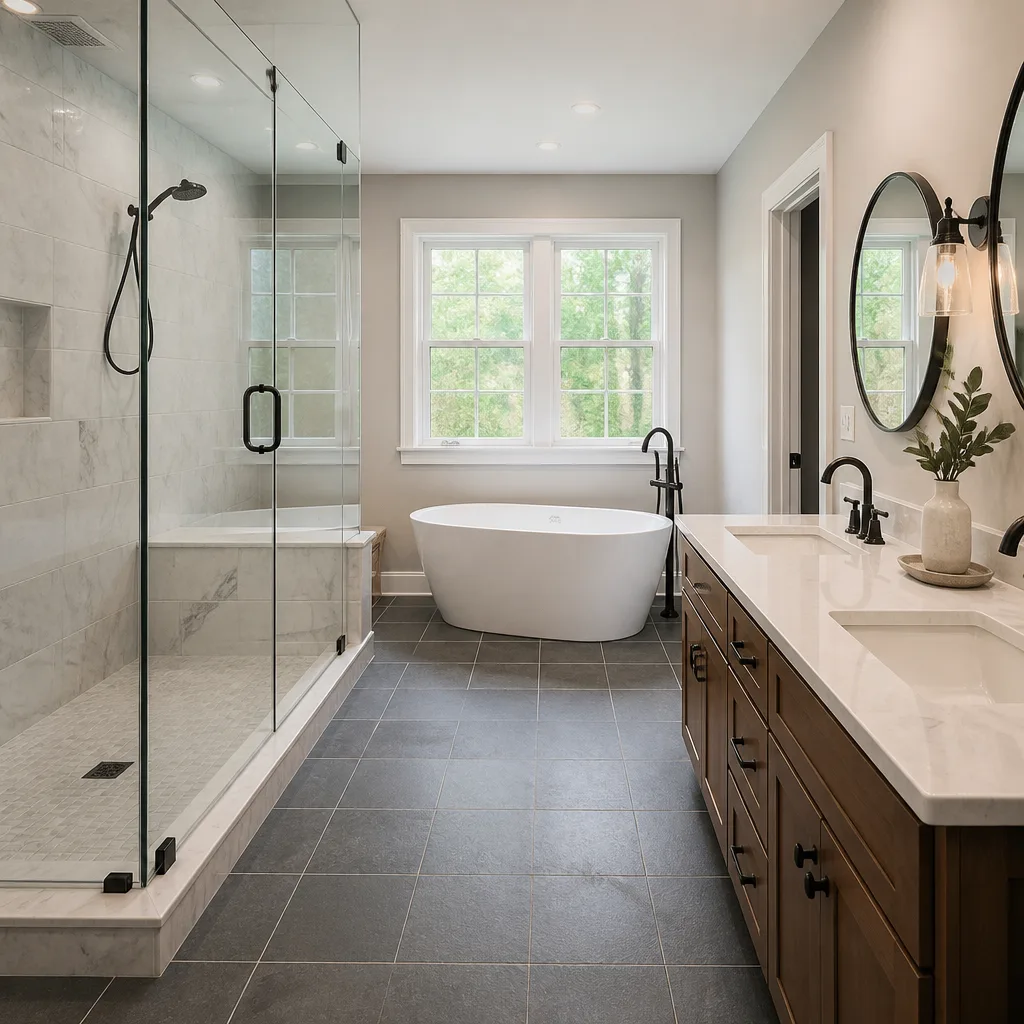 Bathroom remodeling
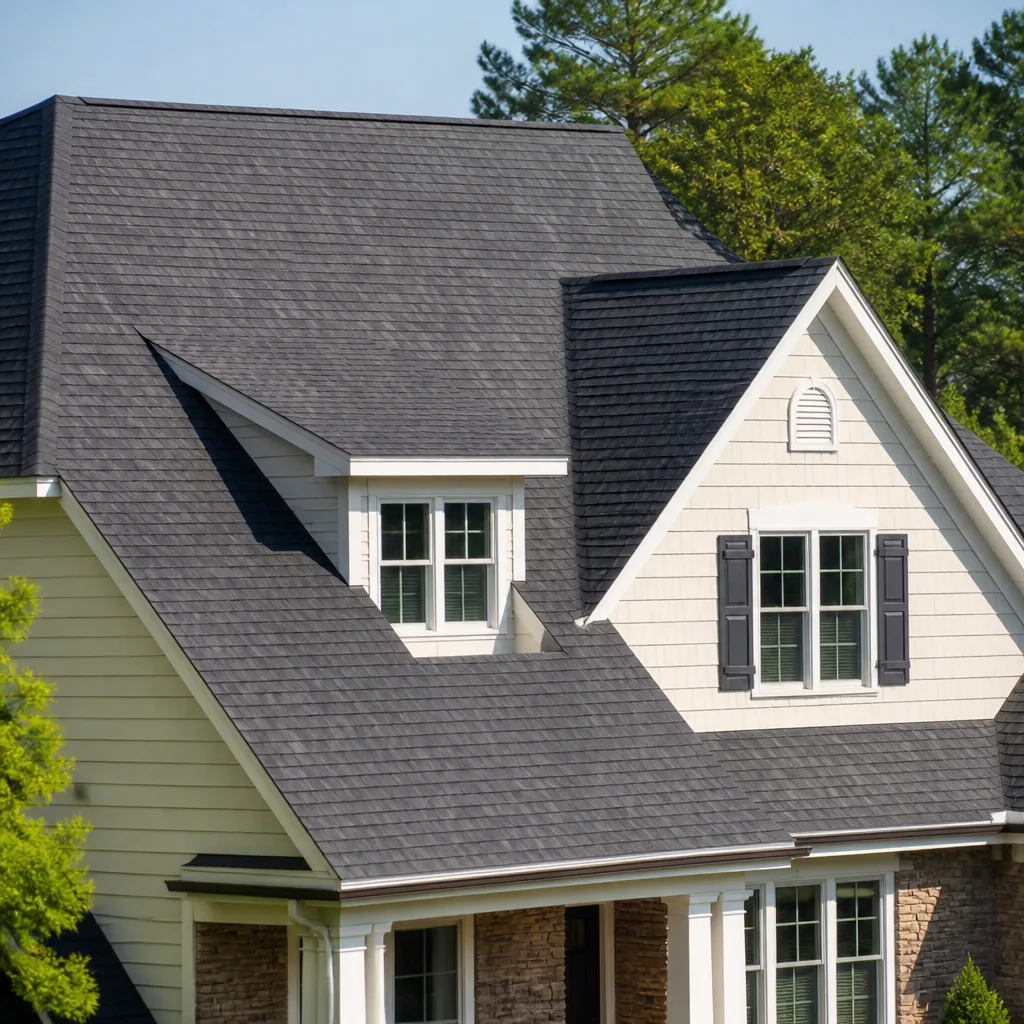 Roofing
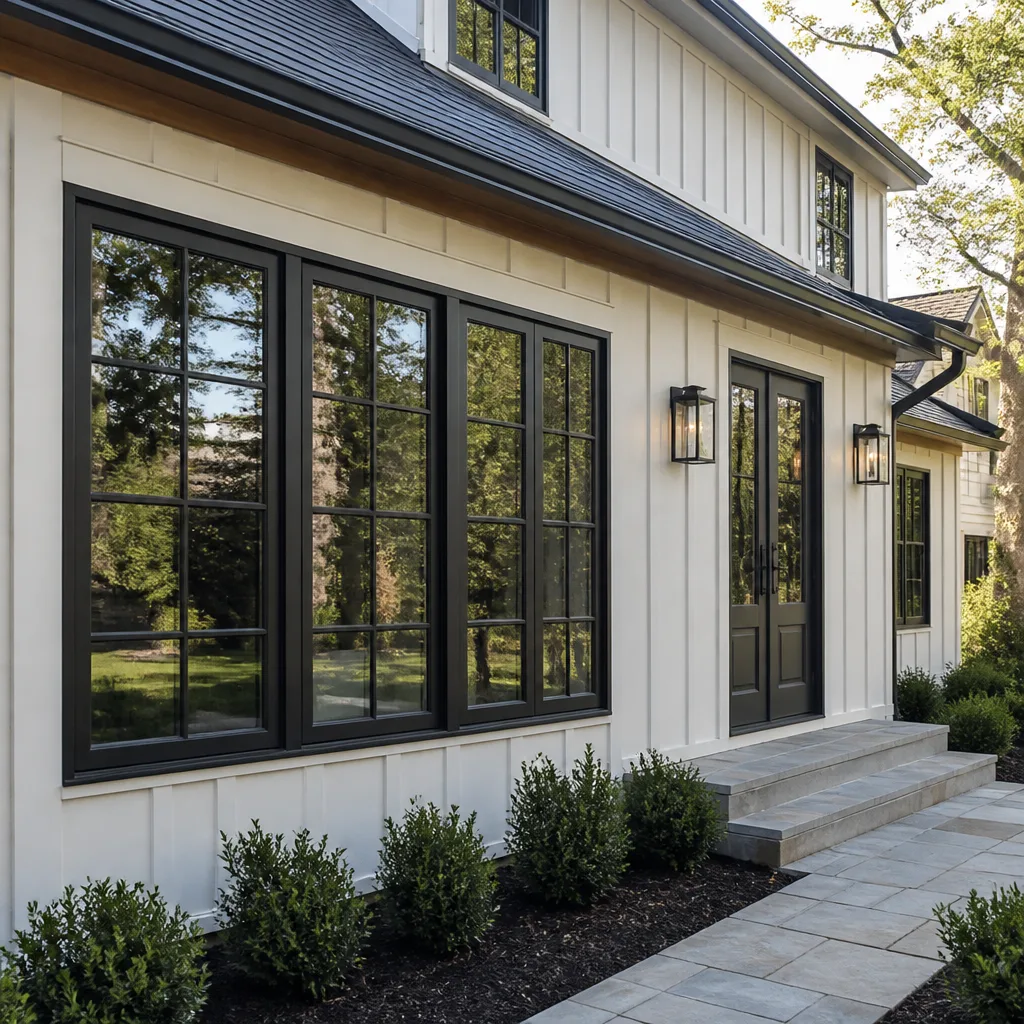 Windows & doors
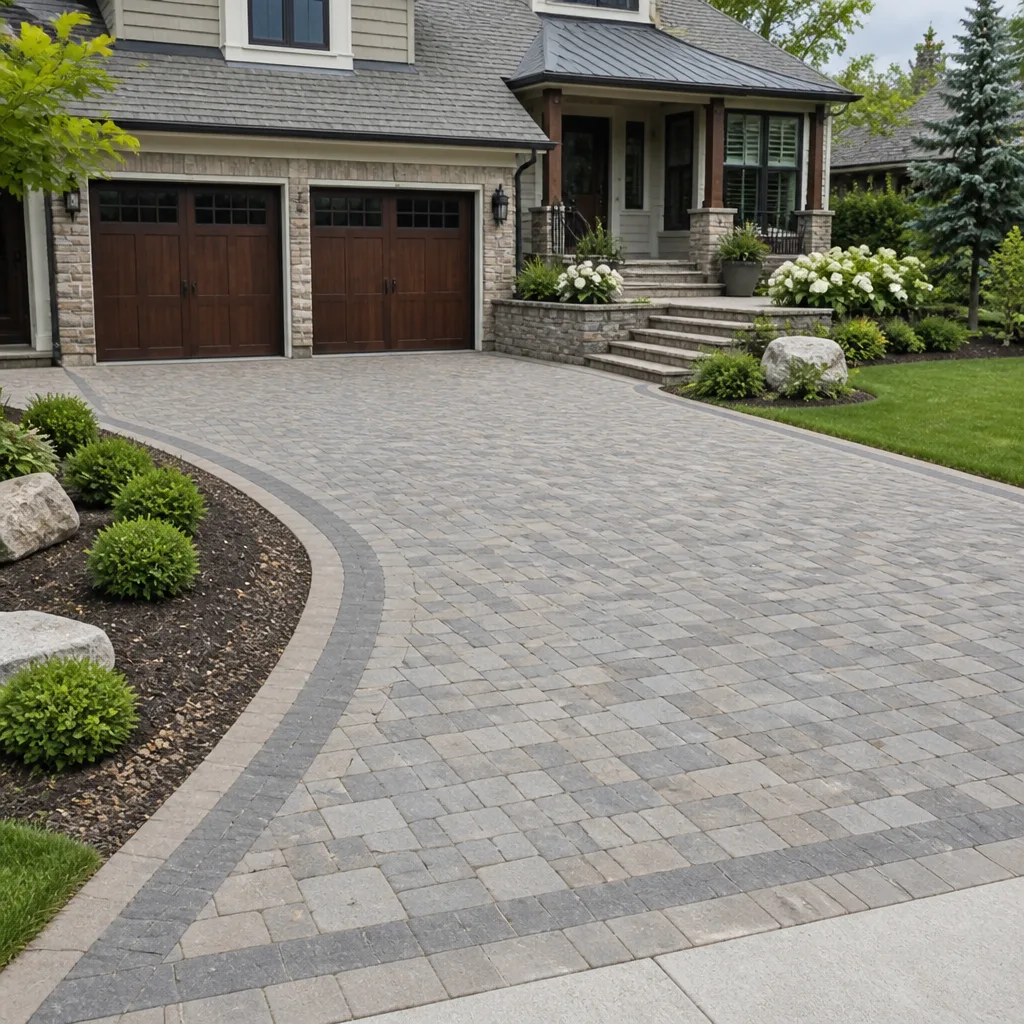 Driveway & pavers
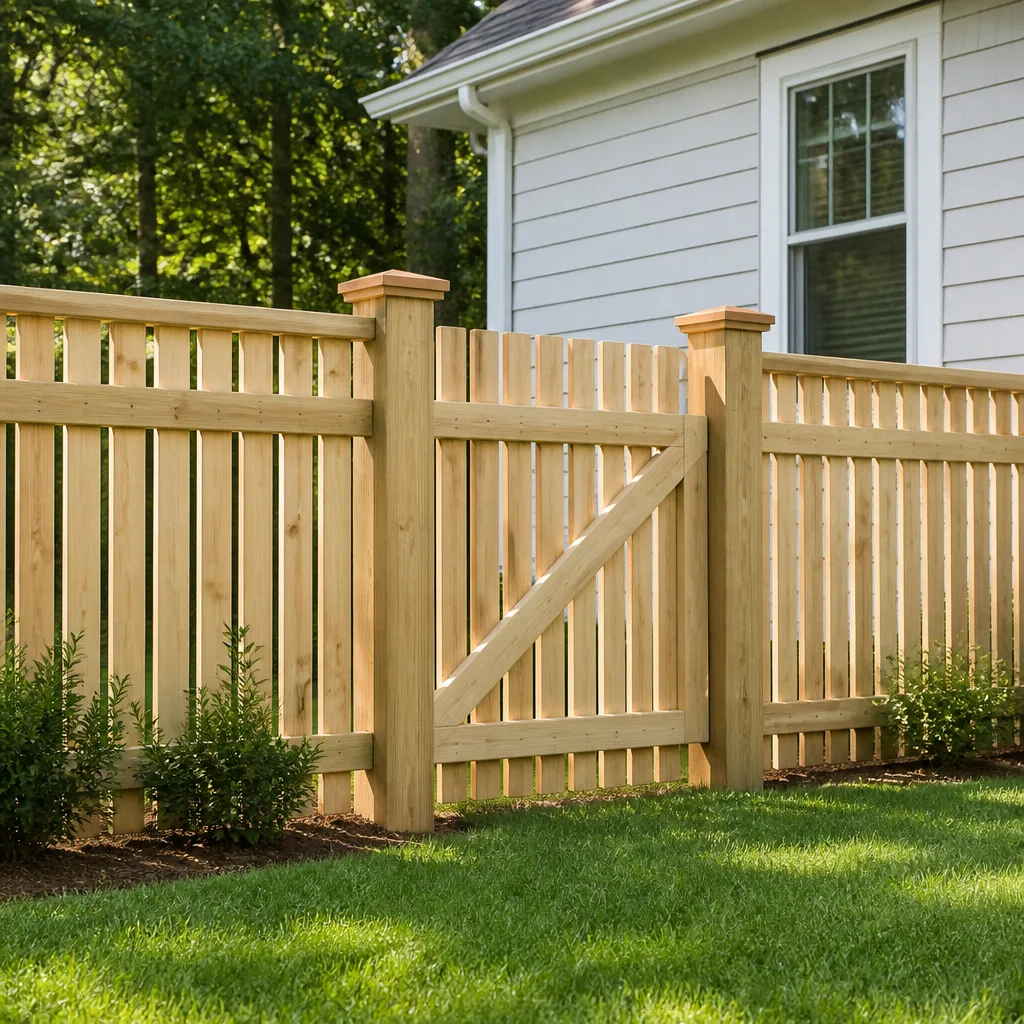 Fence
Free written scope consultation - allowances, timeline, and change-order rules on paper before a single trade is scheduled
The Complete General Contractor Guide for Pacifica Homeowners
Pacifica sits inside a coastal high-wind and salt-air zone that triggers specific California Building Code requirements most inland contractor guides never mention. Homeowners who skip this fact usually discover it mid-project, when a window package gets flagged or siding has to be swapped after the permit review. This guide walks through exactly what hiring a general contractor in Pacifica actually involves: the climate specs, the two-layer permitting system, the labor market reality, and the material decisions that determine whether a remodel holds up for ten years or starts corroding in three.
Quick Answer
A general contractor in Pacifica should hold a valid California B license, carry general liability and workers’ comp insurance, know San Mateo County versus City of Pacifica permit jurisdiction, and specify materials rated for coastal exposure before the first order goes in. The right contractor will walk you through wind-load requirements, salt-air corrosion ratings, and coastal development permit triggers before you sign. Expect the planning phase to take longer here than it does inland, and expect that extra time to save you money.
Styles & brands we work with
Table of Contents
- Why Pacifica’s Coastal Climate Changes the Spec Sheet
- Pacifica Permitting: City, County, and Coastal Commission
- Why the Patchwork Subcontractor Model Fails in Pacifica
- How to Vet a Pacifica GC: License, Bond, and Coastal Liability
- Where Material Access Breadth Actually Matters in Pacifica Homes
- Prefab and ADU Construction on the Pacifica Coast
- Hardscaping and Outdoor Work in a Coastal Microclimate
- Common Mistakes to Avoid
- When to Call a Professional
- Frequently Asked Questions
Why Pacifica’s Coastal Climate Changes the Spec Sheet
Pacifica is not a typical California suburb. The marine layer rolls through Linda Mar, Pedro Point, and Sharp Park most mornings, carrying salt spray that settles on every exposed surface. Wind off the Pacific hits west-facing elevations year-round, with gusts that routinely top 40 mph during winter storms. The result is a microclimate that corrodes standard hardware, delaminates cheap siding, and tests window flashing in ways a San Jose or San Mateo contractor rarely sees.
A general contractor working in Pacifica has to account for three specific factors before ordering anything:
- ASCE 7 wind exposure category. The American Society of Civil Engineers publishes wind-load maps that place much of Pacifica in Exposure C or D territory, meaning open coastal terrain with higher design wind speeds. This affects roof attachment, window and door ratings, and even the gauge of siding fasteners. A contractor who specs materials for an inland Exposure B home is going to have a problem.
- Salt-air corrosion ratings. Hardware that performs fine in Daly City or South San Francisco can fail within five years in Pacifica’s salt fog. Exterior fasteners should be stainless steel or equivalent corrosion-resistant material. Light fixtures need marine-grade finishes. Aluminum railings and screen frames should be anodized or powder-coated with a coastal warranty. This is not optional. This is the bare minimum for a project that will survive the first winter without rust streaks.
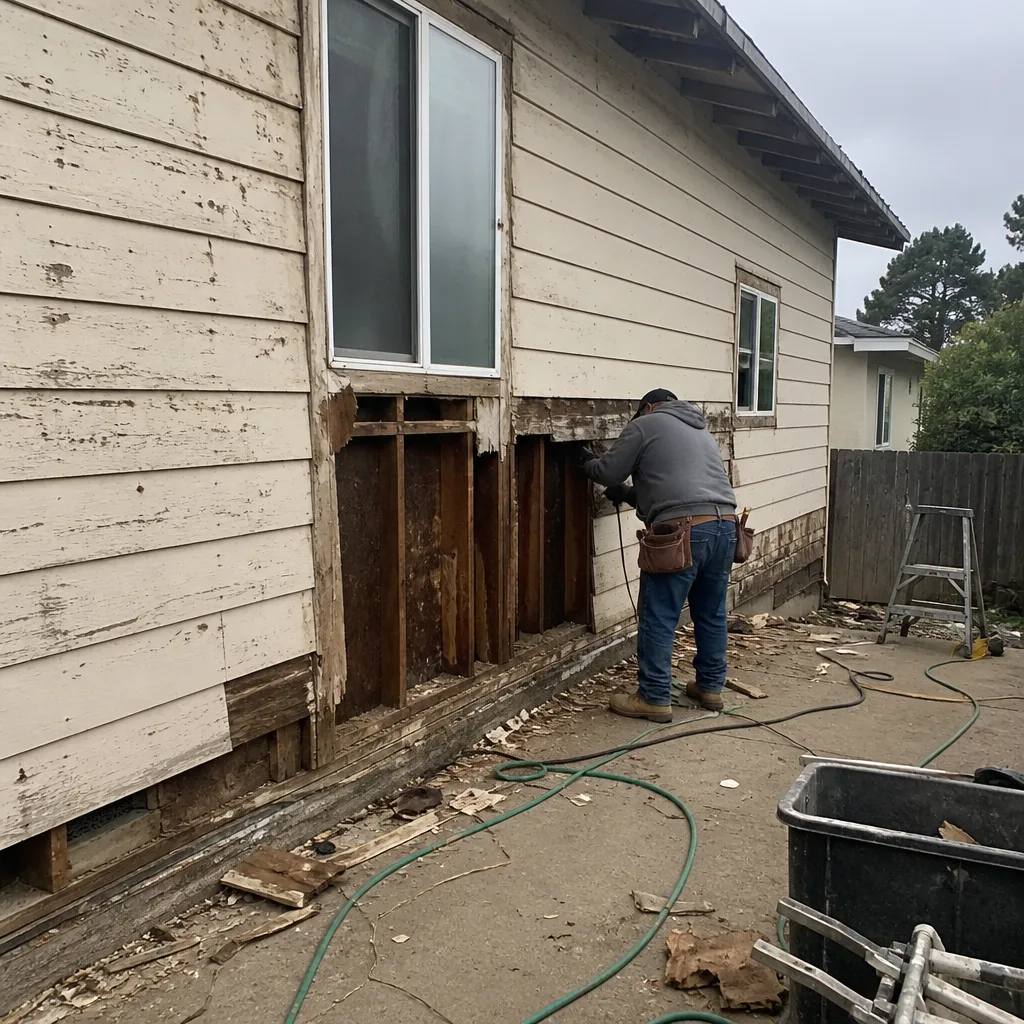
- Moisture drive from the marine layer. The persistent fog means exterior walls stay damp longer than they do inland. That puts a premium on drainage planes, properly lapped WRB (weather-resistant barrier), and flashing details at every penetration. Homes in Pacifica that were built before modern moisture-management standards often hide rot behind the siding. A thorough contractor will do exploratory opens at window corners and deck ledgers before quoting, because the quote that ignores hidden rot is a quote that will change the day walls come open.
We have seen Pacifica remodels where a homeowner bought imported windows with standard powder coating and watched the frames pit within two years. The window was fine product; it was the wrong product for the location. The material spec is not a detail. It is the project.
Pacifica Permitting: City, County, and Coastal Commission
Pacifica is one of the few Bay Area cities where a homeowner has to think about three separate permitting layers, and missing any one of them can stop a project for months. For a deeper look at the full process, see The Complete Guide to Construction in Pacifica. The City of Pacifica Building Division handles most interior remodels, window replacements, and nonstructural work. San Mateo County gets involved when a project touches septic systems, some drainage work, or unincorporated parcel issues. And because Pacifica lies almost entirely inside the California Coastal Zone, projects that change exterior appearance, add square footage, or alter site drainage can trigger California Coastal Commission review.
Here is what that means in practice:
- Interior-only remodels (kitchens, bathrooms, flooring, paint) typically stay with the City of Pacifica. You will still need a building permit if you are moving plumbing, altering electrical, or changing structural walls. These permits move reasonably fast, usually two to four weeks for plan review.
- Exterior changes (new siding, window style changes, roof material changes, additions, decks) may require a Coastal Development Permit (CDP) in addition to the standard building permit. The city issues a CDP for most single-family work within city limits, but some projects get escalated to the Coastal Commission itself. This adds anywhere from a few weeks to several months to the schedule.
- Additions and ADUs almost always involve coastal review because they change the building envelope and site coverage. A contractor who has shepherded multiple Pacifica ADUs through this process will know which design choices trigger objections (height, setback from bluff edges, drainage patterns) and can design around them before submittal.
The most expensive mistake a Pacifica homeowner can make is signing a contract with a contractor who says “we will figure out the permits later.” Later is when the Coastal Development Permit scope changes the window size, the siding material, and sometimes the roofline. Figure out the permits first, or figure out the change orders later. There is no third path.
Why the Patchwork Subcontractor Model Fails in Pacifica
Pacifica has a small year-round population, around 26,000 people, sitting at the end of a peninsula with limited routes in and out. That geography has a real effect on the construction labor market. Subs who live in San Francisco or the East Bay do not want to fight Highway 1 and Skyline Boulevard traffic for a three-day rough-in job. The pool of reliable Pacifica-local electricians, plumbers, and finish carpenters is shallow. When a homeowner tries to act as their own general contractor, stringing together separate bids for each trade, the result is the same story we have watched play out for years: the framer is available in April, the electrician cannot come until June, the plumber goes silent for two weeks, and the tile setter who was supposed to start in July takes a bigger job in Half Moon Bay.
A single-source general contractor solves this differently. A GC who has worked in Pacifica long enough to build relationships with local subs and knows which crews will actually show up on the coast is controlling the schedule before the project starts. That is not a convenience; it is the difference between a four-month remodel and a nine-month remodel. It is the difference between a locked price and a running tab of rescheduling fees.
When we take on a full-scope project in Pacifica, one project team handles the interior trades and the exterior envelope under a single schedule and a single point of accountability. The homeowner is not calling six numbers on a Tuesday morning trying to find out why the drywall crew did not show. They call one number, and they get an answer. That is the value of a general contractor in Pacifica who actually operates as a GC rather than a broker passing work to whoever picks up the phone.
How to Vet a Pacifica GC: License, Bond, and Coastal Liability
California makes it easy to verify a contractor’s license. The Contractors State License Board (CSLB) website shows the license number, classification, bond status, and workers’ comp coverage. What the CSLB cannot show you is whether the contractor understands coastal liability. That is where the interview questions matter.
Here is the minimum a Pacifica homeowner should confirm before signing:
- Active California B license. A B classification covers general building work. Do not accept a C-specialty license for a project that spans multiple trades, and do not accept a story about why the license is “in process.” Verify it on the CSLB site yourself.
- Workers’ compensation insurance. Any contractor with employees must carry workers’ comp. If a worker falls off a ladder on your property and the contractor does not have coverage, the liability can land on the homeowner’s policy. Ask to see the certificate. A contractor who hesitates is telling you something.
- General liability coverage sized for coastal construction. Pacifica projects carry specific risks: wind-blown debris, scaffolding in high-wind exposure zones, salt-corrosion failures, water intrusion during construction. The contractor’s liability limits should be adequate for a full remodel, not a handyman job.
- Coastal-specific experience. Ask directly: “How many projects have you completed in Pacifica’s coastal zone in the last three years?” Then ask for addresses or references. A contractor who has done coastal work will tell you about the Coastal Development Permit process without blinking. A contractor who has not will change the subject.
- Written scope and change-order policy. The contract should name the materials by brand and model, not by vague category. “Quality windows” is not a spec. “PGT 5400 series, impact-rated, coastal finish” is a spec. If the contract will not name materials, the price is not real.
For homeowners in Pacifica, this vetting process matters more than it does inland because the cost of a wrong pick is higher. Salt air does not forgive. Wind does not wait. And the Coastal Commission does not care that you already bought the windows.
Where Material Access Breadth Actually Matters in Pacifica Homes
Most contractors carry relationships with a handful of suppliers. That means the homeowner gets whatever those suppliers carry, whether or not it is the right product for a coastal Pacifica home. That is how a homeowner ends up with a standard interior-rated window on a west-facing Pedro Point wall, or a fence system rated for inland use installed two blocks from the beach. The product was not chosen because it was right. It was chosen because it was available.
The categories where material breadth has the largest measurable impact in Pacifica:
- Windows and exterior doors. Coastal Pacifica demands frames and hardware rated for salt exposure and high wind. Brands like PGT, CGI, and Therma-Tru build products specifically engineered for coastal zones. A contractor with access to multiple window manufacturers can price options across impact ratings and corrosion resistance instead of forcing one brand onto every opening. The homeowner gets to choose the material, not the markup.
- Fencing. Beach-adjacent fences take a beating. Salt spray eats through thin powder coat, and coastal winds find every weak post connection. Fencing systems from brands like Jerith and Belgard are built with corrosion-resistant aluminum and engineered post hardware that handles wind load better than box-store cedar. The difference in service life is measured in decades, not years.
- Roofing. A Pacifica roof needs to handle wind-driven rain, salt exposure, and a long fog season. The difference between a GAF or CertainTeed system installed to coastal spec and a generic shingle installed to inland spec is the difference between a 20-year roof and a 12-year roof on the same house.
- Wet-area tile substrates. Bathrooms and kitchens in Pacifica homes sit in a humid coastal environment year-round. Schluter waterproofing systems, properly installed, are the standard answer for a shower or wet area that will not rot out from the inside. A contractor who does not know what this means should not be tiling your shower.
When we walk a Pacifica home with a homeowner, the conversation is not “here is the one option we sell.” It is “here are the three brands that fit this opening, this budget, and this exposure zone, and here is why we would pick one over the other given your house.” That is what home remodeling in Pacifica looks like when the contractor is not tied to a single supplier’s shelf.
Prefab and ADU Construction on the Pacifica Coast
Pacifica has become one of the Bay Area’s quiet ADU hotspots. Lots are often larger than San Francisco parcels, the city has streamlined ADU review in recent years, and homeowners are looking for ways to house family members or build rental income. But building an ADU on the coast is not the same as building one in Redwood City. The coastal permit layer, the wind exposure, and the site drainage requirements all apply. That is precisely where prefab and off-site construction earns its keep.
Factory-built ADU systems from manufacturers like Dvele, Mighty Buildings, and Abodu arrive as engineered assemblies that have already been designed, tested, and detailed for a specific structural and moisture load. The factory process removes the biggest variable in coastal construction: site-built framing that gets rained on, fogged on, and partially dried before the WRB goes on. A panelized or volumetric ADU arrives at the Pacifica site with its wall assemblies already tight. The crane sets it, the crew connects it, and the envelope is closed in days rather than months.
This is a meaningful advantage for Pacifica homeowners because the fog season is not kind to an open frame. A traditional site-built ADU with stick framing can sit exposed to marine moisture for weeks while subs cycle through. A prefab system shortens that exposure window to almost zero. That matters for the long-term durability of the structure, and it matters for the permit timeline because the city and the Coastal Commission are reviewing an engineered system with a known envelope performance rather than a site-built plan with more variables. We have watched Pacifica homeowners go from permit submittal to completed ADU in less time than some traditional additions spend in plan review. The prefab route is not a compromise; it is in many cases the better-suited tool for the coastal environment.
Hardscaping and Outdoor Work in a Coastal Microclimate
Pacifica outdoor spaces are not decoration; they are daily living areas in a climate where the temperature stays mild but the wind and fog shape every gathering. A patio that works in San Carlos may be unusable in Sharp Park on a summer afternoon when the marine layer is ripping through. Hardscaping decisions, from paver selection to retaining wall design, need to account for that reality.
The right paver system for a Pacifica backyard handles three conditions:
- Wind-driven moisture. Pavers installed with a proper permeable base drain better than solid concrete in Pacifica’s fog-soaked soil. A paver patio that holds water becomes slick and vegetated within a season. Brands like Belgard and Techo-Bloc manufacture pavers designed for permeable installation, which is the right answer for most coastal lots.
- Salt and mineral exposure. Lighter-colored pavers show less salt staining over time. Concrete pavers with a dense surface resist the pitting that salt air accelerates on softer materials. The surface selection is not aesthetic only; it is a durability decision.
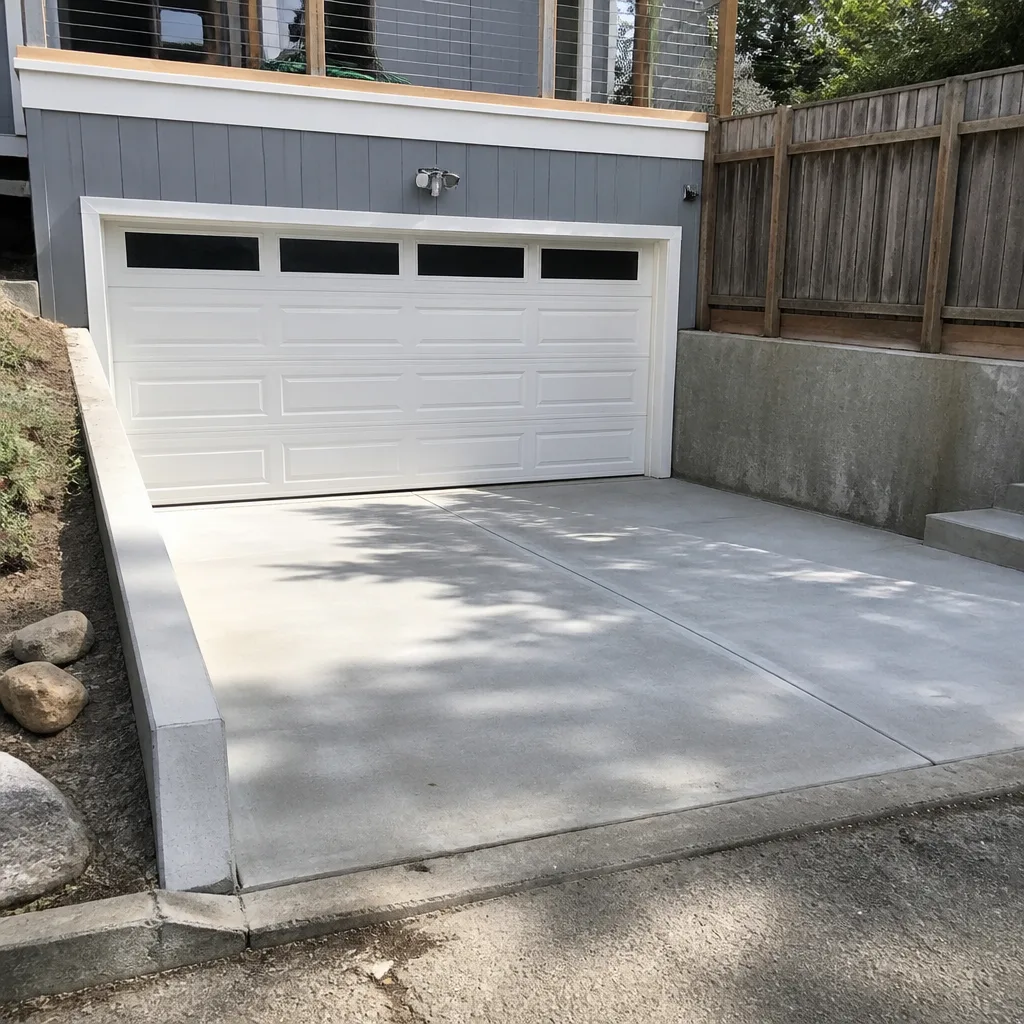
- Grade and drainage. Pacifica lots often slope, and coastal drainage regulations place real limits on how much impervious surface a homeowner can add. A hardscape plan that ignores the slope will create a drainage problem that the Coastal Commission will catch. A plan that uses permeable paving and proper base depth solves the drainage question before it becomes a permit objection.
The same logic applies to fencing. A Belgard paver system and a Jerith aluminum fence are two products built for different jobs, and on a Pacifica lot they often meet at the property line or the patio edge. A contractor who understands both systems can design the transition properly instead of leaving a mess where the fence post meets the paver cut. Home renovation in Pacifica that extends beyond the walls is not a side project; it is part of the same drainage, exposure, and material logic that governs every other decision on the property.
Common Mistakes to Avoid
- Buying materials before the coastal review is done. Homeowners who order windows or siding early, excited to lock in a price, often find the Coastal Development Permit requires a different product. Then they own a pile of materials they cannot use. Let the permit define the spec, then order.
- Assuming all stainless steel is the same. Standard 304 stainless will corrode in Pacifica’s salt fog faster than 316 marine-grade stainless. The difference in material cost is small; the difference in lifespan is not. Ask the contractor what grade of stainless they are specifying for exterior fasteners and hardware.
- Hiring a contractor without coastal zone experience. A great remodeler from San Jose can produce a beautiful kitchen and a disaster of a coastal siding job. The permit path, the material specs, and the installation details are different here. Ask for Pacifica-specific references.
- Underestimating the Pacifica wind factor during construction. An exposed jobsite in Pedro Point on a windy day is a safety hazard and a material-damage risk. Contractors who do not plan for wind protection lose materials, damage fresh work, and create safety incidents. The schedule should account for this from day one, not the first time the scaffolding shakes.
- Signing a vague contract. A contract that says “install new windows” is an invitation for the cheapest window on the truck. A contract that says “install PGT 5400 series, impact-rated, coastal finish, stainless hardware” is a commitment. Pacifica’s climate makes vague contracts more expensive here than anywhere else in the county.
- Ignoring drainage until the project is done. Adding a deck, patio, or addition changes how water moves across a Pacifica lot. The Coastal Commission will look at drainage, and so will the next big winter storm. Design drainage in; do not patch it in afterward.
When to Call a Professional
Some Pacifica projects are clear DIY territory: paint a room, swap a faucet, hang a shelf. But the moment the project touches the building envelope, the permit system, or the coastal exposure zone, the cost of a mistake climbs fast. If you are replacing windows on a west-facing wall, taking down a wall, building a deck, adding square footage, changing roofing, or doing any work that requires a Coastal Development Permit, bring in a licensed general contractor before you buy anything. The planning conversation costs less than the change orders, and the change orders are guaranteed if the coastal specs are wrong. Copperleaf Contractors offers free estimates in Pacifica, call (833) 589-8173.
Frequently Asked Questions
Most Pacifica remodels run between $150 and $400 per square foot depending on scope, materials, and whether the project triggers coastal review. A mid-range kitchen remodel typically lands between $45,000 and $85,000, a primary bathroom between $25,000 and $55,000, and a full home renovation in the $200,000 to $500,000 range. These are planning ranges, not quotes. The exact number depends on your house, your material choices, and what the coastal permit requires. Call (833) 589-8173 for an exact quote, estimates are free.
It depends on the project scope. Interior-only work that does not change the building footprint or exterior appearance usually does not require a CDP. Exterior changes, additions, ADUs, decks, and drainage alterations often do, because Pacifica sits within the California Coastal Zone. Your contractor should determine this before you sign, not after the plans are drawn.
Permitting adds time in Pacifica compared to inland cities. Plan review at the City of Pacifica typically runs two to six weeks for standard interior work, but a coastal review can add several months to exterior projects. The construction phase for a full home remodel in Pacifica usually runs four to eight months. Prefab ADUs can compress that significantly, sometimes completing in under six months from permit submittal to move-in.
On a well-run Pacifica project, the price should not change unless the scope changes. The contract should name materials by brand and model, and the contractor should have done enough exploratory work (opening walls at window corners, checking deck ledgers, verifying drainage) that hidden conditions are already priced. A contractor who quotes low and discovers “unexpected rot” at every turn is either inexperienced or loading the quote with change orders. Ask how exploratory opens are handled before you sign.
For windows and doors, PGT, CGI, and Therma-Tru manufacture coastal-rated lines with salt-resistant finishes and impact ratings built for Pacifica’s wind zone. For roofing, GAF, CertainTeed, and Owens Corning all produce systems installable to coastal wind specs. For fencing, aluminum systems from Jerith hold up far better than wood or thin-gauge steel in beach-adjacent exposure. For hardscaping, permeable paver systems from Belgard or Techo-Bloc handle Pacifica’s fog-soaked soil better than solid concrete. The right product depends on your exact location, elevation, and wind exposure.
Legally, yes, if you own the home and plan to live in it. Practically, acting as your own GC on a coastal Pacifica remodel means managing the permit process, hiring and scheduling every sub, and wearing the liability when something goes wrong. In a labor market as thin as Pacifica’s, the schedule alone usually kills the savings. Plus, most quality subs in Pacifica will not bid an owner-builder project; they would rather work for a GC who will keep them busy and pay on time. The savings rarely survive the delays.
The Bottom Line
Hiring a general contractor in Pacifica is a different decision than hiring one anywhere else in the Bay Area. For more guides & resources on coastal construction, explore our blog. The coastal climate changes the material spec, the permitting process adds a Coastal Development Permit layer, and the small labor market makes single-source oversight the difference between a project that finishes and one that lingers. The right contractor will talk about wind exposure, salt corrosion, and drainage before they talk about cabinet colors. They will name materials by brand, price the exploratory work upfront, and handle the permit path without drama. That is the standard Pacifica homeowners should hold, and the standard that separates a real coastal contractor from a generalist.
Written by the team at Copperleaf Contractors, serving Pacifica since 2017.
See the difference
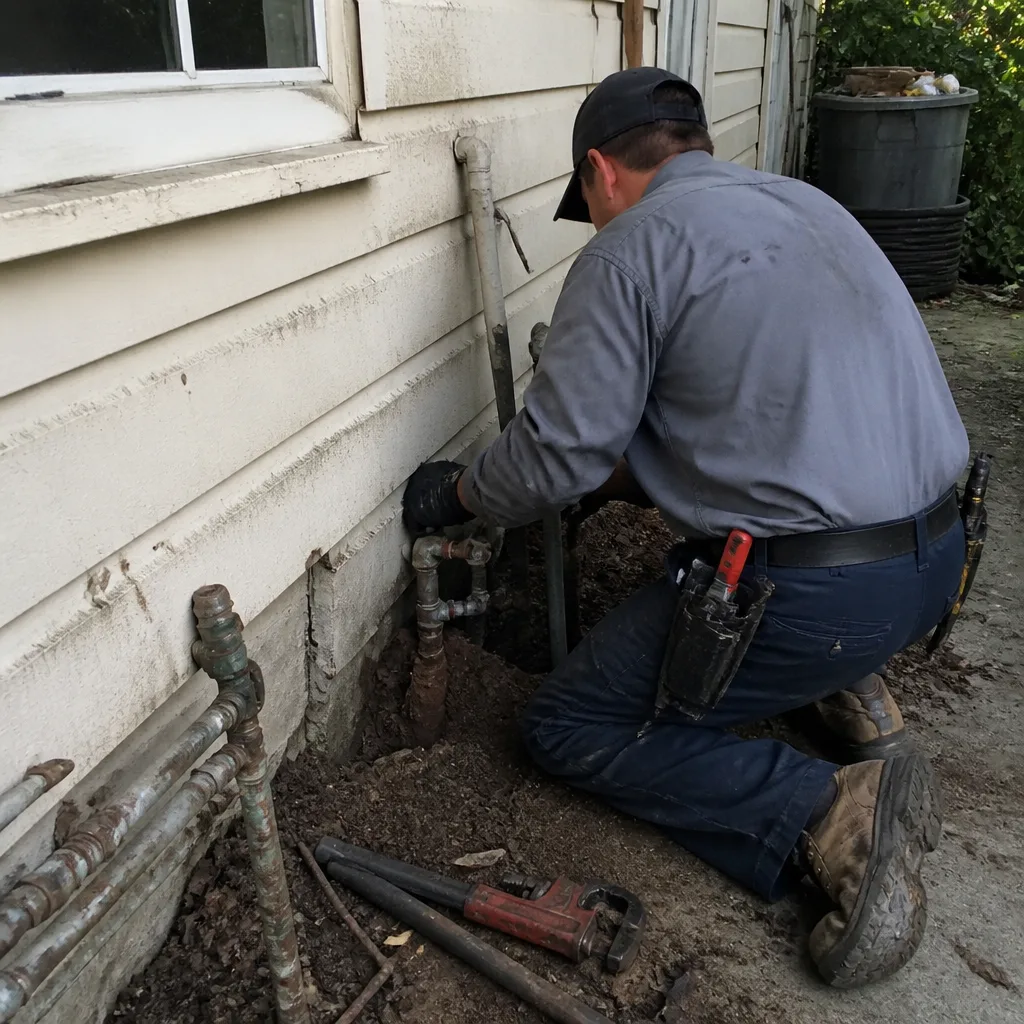 Before
 After
 Before
 After
 Before
 After