
Last updated October 31, 2026
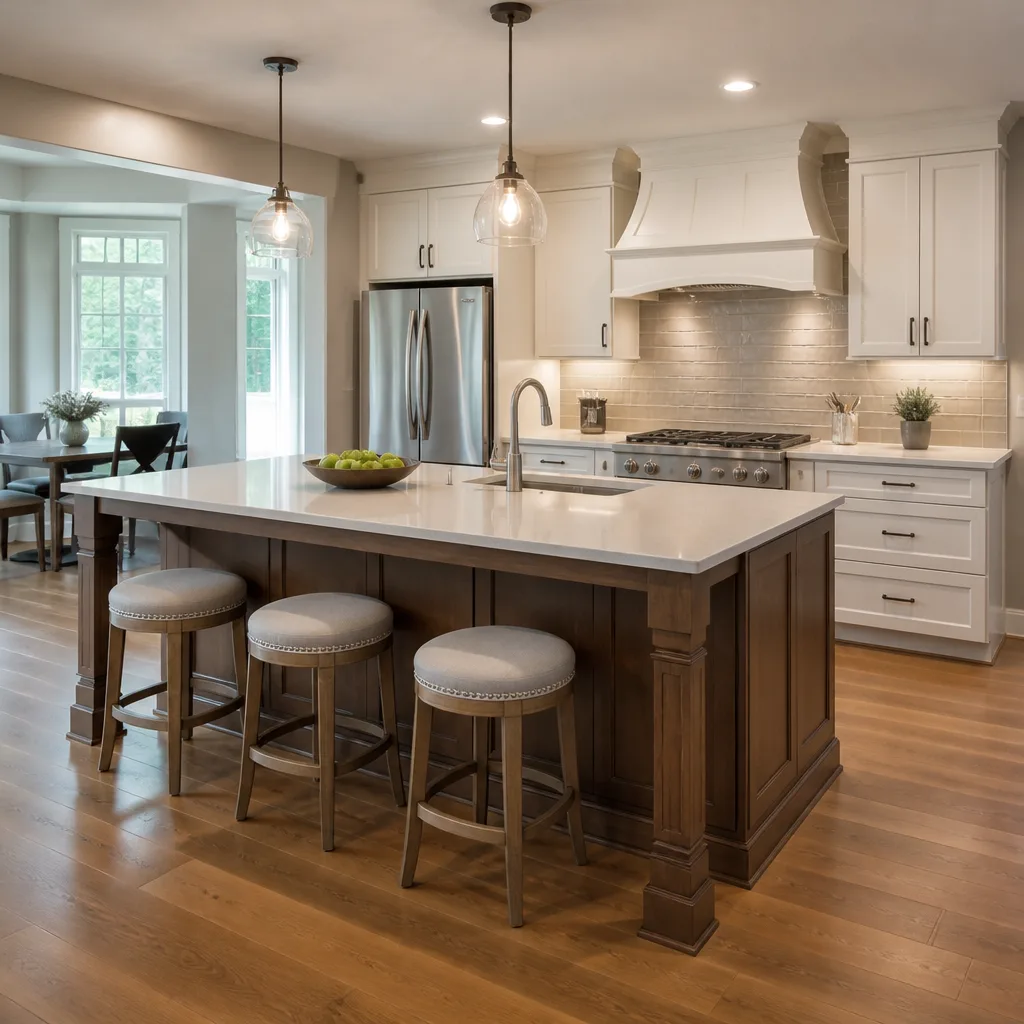 Kitchen remodeling
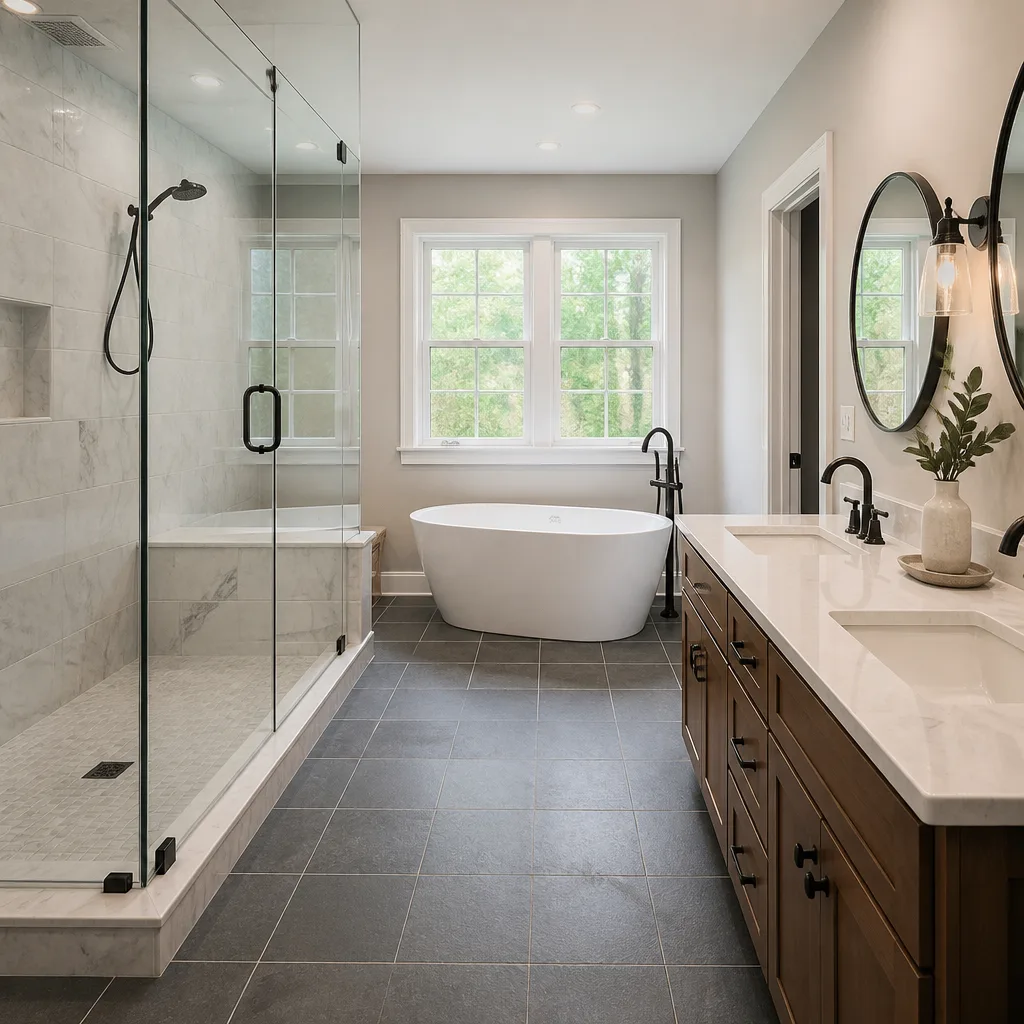 Bathroom remodeling
 Home additions & ADU
 Roofing
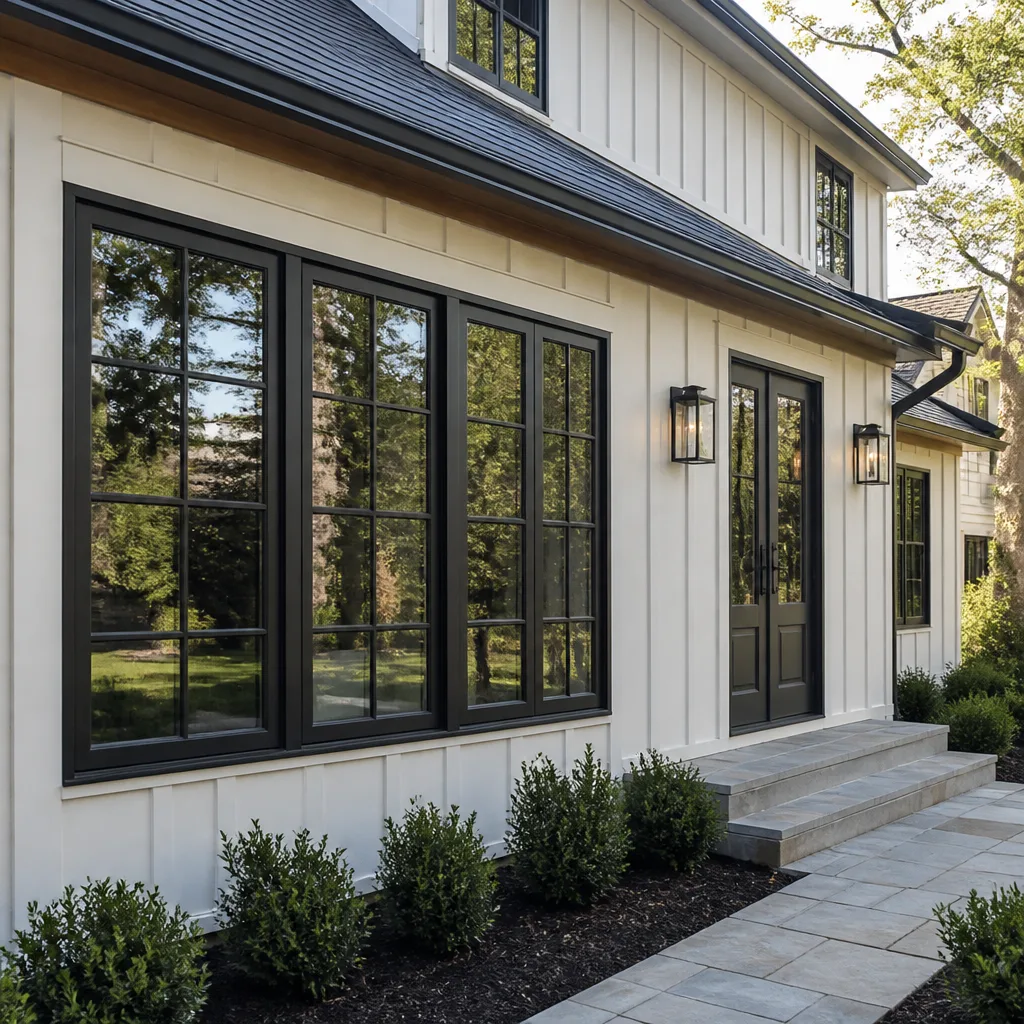 Windows & doors
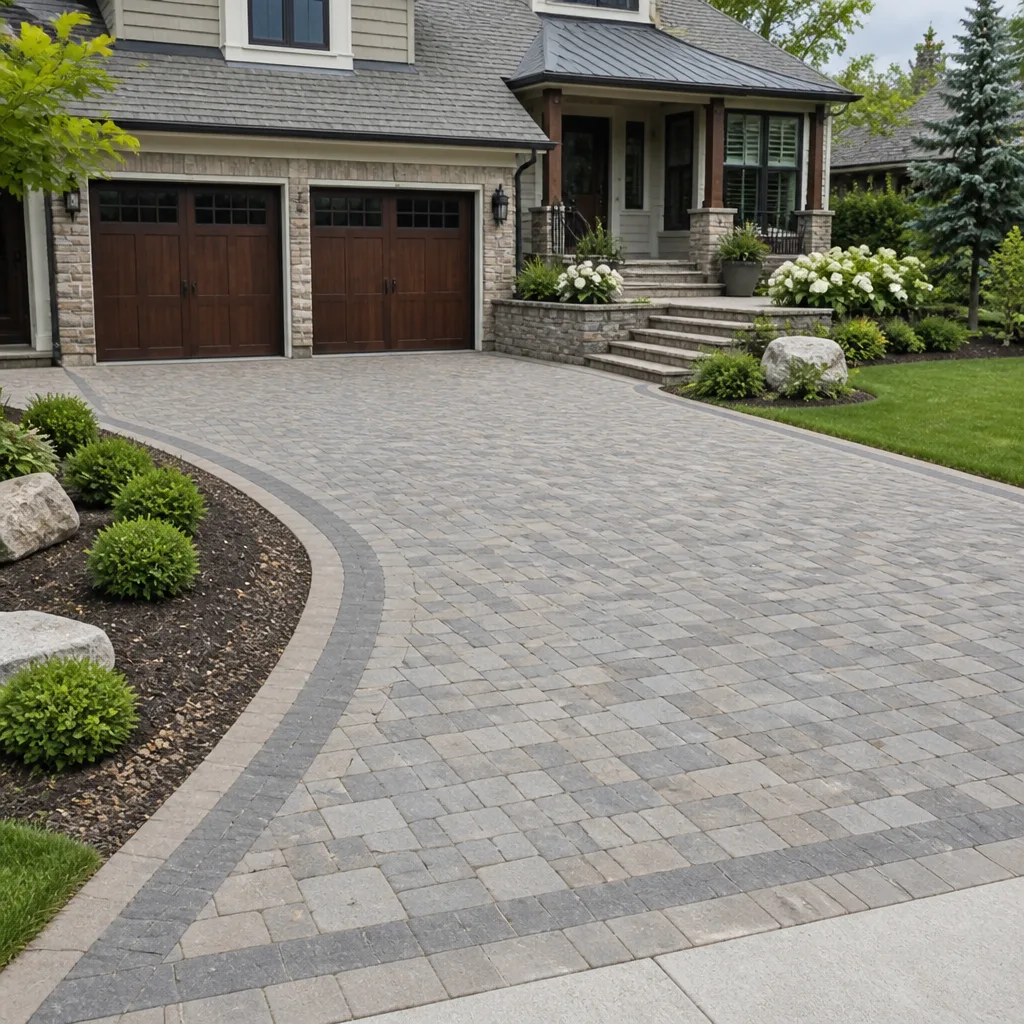 Driveway & pavers
 Fence
Free written scope consultation - allowances, timeline, and change-order rules on paper before a single trade is scheduled
How to Hire a Construction Contractor in Pacifica: A Step-by-Step Guide
California’s CSLB license lookup confirms a contractor has passed an exam and carries a bond. What it won’t tell you is whether they’ve pulled a permit through San Mateo County’s Building and Planning departments, where coastal review timelines run longer than most other Bay Area counties. This guide walks through the exact vetting process we recommend to Pacifica homeowners, from reading coastal material specs in a bid to structuring contract language that anticipates fog delays, bluff-top geotechnical surprises, and the narrow access roads that make deliveries on streets like Fassler Avenue or Linda Mar Boulevard a logistical puzzle. For more guides & resources on navigating coastal construction, see our blog. By the end, you’ll know which questions separate a remodeler who knows Pacifica from one who’s simply licensed in California.
Quick Answer
To hire a construction contractor in Pacifica, verify the CSLB license, then confirm direct experience with San Mateo County coastal permit workflows and Pacifica-specific material requirements like marine-grade fasteners and wind-rated cladding. Request bids formatted so product lines are named by manufacturer, not left as “mid-grade” placeholders, and require a written subcontractor plan and weather-delay contract language before signing anything. Hiring a General Contractor in Pacifica with single-source accountability across trades reduces coordination risk on coastal hillside projects.
Styles & brands we work with
Table of Contents
- Step 1: Verify the License, Then Ask What the License Doesn’t Reveal
- Step 2: Find Proof of Pacifica-Specific Experience, Not Just Bay Area Work
- Step 3: Read Bids for Coastal Material Specs, Not Just Square Footage
- Step 4: Ask Who Exactly Will Be on the Job Site
- Step 5: Insist on Contract Language That Anticipates Pacifica’s Weather and Terrain
- Step 6: Decide Between a Single-Source Contractor and Self-Managing Subs
- Step 7: Understand What San Mateo County Permits Actually Require
- Step 8: Do a Final Walkthrough of the Bid Before Signing
Step 1: Verify the License, Then Ask What the License Doesn’t Reveal
Start with the California Contractors State License Board database. You’re checking three things: the license is active, the classification matches your project type (a B – General Building license covers most remodels, while a C-54 covers tile, C-39 covers roofing, and so on), and the license hasn’t been suspended in the past five years. Print the page. Keep it with your contract file.
But the license check is the floor, not the ceiling. A CSLB license verifies that a contractor knows California building code at a general level and has met the state’s bond and insurance minimums. It says nothing about whether that contractor has ever navigated Pacifica’s specific regulatory environment. Here’s what to ask after the license clears:
- How many San Mateo County building permits have you pulled in the past three years? Ask for a direct number. Follow up by asking what types: additions, remodels, re-roofs, window replacements. County permit history is public record, so a contractor who sidesteps this question is revealing something about their local workload.
- Have you handled a project that triggered coastal permit review? Much of Pacifica sits within the California Coastal Commission’s jurisdiction, which means some projects require a coastal development permit in addition to the standard building permit. This process adds weeks or months and requires specific documentation. A contractor who has never touched it will learn on your timeline and your money.
- What are the current San Mateo County plan check timelines for a project of this scope? A contractor with real Pacifica experience knows that the county’s plan review queues shift based on workload. They should be able to give you a realistic window, not a shrug.
We’ve sat in pre-construction meetings with Pacifica homeowners who hired contractors from San Jose or Oakland that had excellent reviews. The work stalled at the permit desk because the contractor didn’t know that San Mateo County requires specific drainage calculations for hillside projects above a certain slope threshold. That delay cost six weeks before a single hammer swung.
Step 2: Find Proof of Pacifica-Specific Experience, Not Just Bay Area Work
A contractor who has done fifty kitchen remodels in San Carlos still faces a learning curve in Pacifica. The microclimate matters more than most homeowners realize. Pacifica’s coastal fog means different paint adhesion standards, different flashing details, and different material choices than a project in Redwood City. The soil on the coastal bluffs behind Sharp Park and Pedro Point moves differently than the flats near the ocean. Delivery access through streets like Crespi Drive or along the hairpin turns near Reina Del Mar changes what equipment can reach the site.
When you’re interviewing contractors, ask for proof of Pacifica work specifically. Here’s what proof looks like:
- Completed project addresses in Pacifica within the last three years. Not just “Bay Area projects” – Pacifica projects. Ask for cross streets, not just neighborhood names. A contractor who worked near the Pacifica Pier and one who worked in Park Pacifica faced different site conditions.
- References who can speak to coastal conditions. Talk to a previous client whose project dealt with fog, wind, or hillside access. Ask how the contractor handled weather delays and what the material choices were.
- Photos of work that show coastal-specific details. Look for stainless steel fasteners on exterior trim, wind-rated window installations, drainage details on hillside foundations. These tell you the contractor understands what Pacifica’s salt air and humidity actually do to building materials.
- Familiarity with specific Pacifica neighborhoods and their challenges. A contractor who knows that Sharp Park projects often require special attention to wind bracing, or that Pedro Point bluff homes need geotechnical review before structural work, is a contractor who has learned from local experience rather than generic training.
One question we hear frequently: “Does it really matter if they’ve worked in Pacifica before?” Yes. We’ve seen what happens when contractors treat Pacifica like any other Bay Area suburb. Marine-grade hardware gets swapped for standard interior-grade fasteners on a deck rebuild two blocks from the ocean. A roofing crew schedules work through a fog season without accounting for traction and adhesion windows. These failures are expensive to fix and entirely avoidable with local experience.
This is also where home remodeling in Pacifica differs fundamentally from remodels in the inland Peninsula. The same floor plan, the same square footage, but the material standard is different. Ask any contractor you interview to name the specific coastal-rated products they’d spec for your exterior. If they hesitate, keep looking.
Step 3: Read Bids for Coastal Material Specs, Not Just Square Footage
Most homeowners compare bids by looking at the bottom line and maybe the line items for labor. But in Pacifica, the single biggest source of bid-to-bid variance is material specification. A bid that says “mid-grade vinyl window, double-pane, white” is not the same product as a bid that says “Therma-Tru vinyl window, double-pane, low-E, coastal-rated hardware, white exterior, wood interior.” The first bid will look cheaper. It will also start showing corrosion and seal failures within a few years of Pacifica’s wet, salt-heavy air.
Here’s how to read a Pacifica bid for coastal upgrades:
- Windows and doors: Look for brands that offer marine-grade or coastal hardware packages. Therma-Tru and PGT both produce doors and windows rated for high-wind and salt-air conditions. If your bid says “standard hardware,” ask for what the contractor would spec on a property within a half-mile of the coastline.
- Roofing: A Pacifica roof should use fasteners and underlayment that resist the constant moisture cycle of fog mornings and dry afternoons. Brands like GAF, CertainTeed, and Owens Corning all make coastal-grade underlayments and fastener systems. If a bid simply says “30-year architectural shingle,” ask for the underlayment type and the fastener specification.
- Exterior cladding and trim: Untreated wood trim warps and rots within a predictable timeframe in Pacifica. Products like James Hardie fiber-cement siding are engineered for coastal humidity cycles. A bid that doesn’t name the siding material or says “TBD” is a bid that hasn’t been thought through yet.
- Decking and exterior hardware: Every screw, bolt, and bracket on an exterior project within sight of the ocean needs to be stainless steel or a verified marine-grade coated fastener. This adds real cost – sometimes 10 to 15 percent of an exterior fastener budget – but it’s not optional. Ask for the fastener spec in writing.
- Interior finishes: Even interior work in Pacifica needs humidity considerations. Cabinet materials, flooring underlayment, and grout choices should account for the area’s moisture levels. A contractor who has worked in Pacifica knows this without being prompted.
The disclosure conversation should happen during the bid phase, not after you’ve signed. When we prepare a bid for a Pacifica project, we walk through the material selection process using terms a homeowner can verify. Choose the material, not the markup. If you see an appliance or fixture line with no brand name, that’s a markup opportunity you can’t see into. If a bid names a brand and model number, you can price-check it yourself and make an informed decision.
Step 4: Ask Who Exactly Will Be on the Job Site
A general contractor’s name on the contract doesn’t guarantee who shows up on Monday morning. Most residential projects in Pacifica involve a mix of trades: framing, plumbing, electrical, tile, roofing, window installation, painting. The question isn’t whether subcontractors will be used. The question is how they’re selected and managed.
Here’s what a legitimate subcontractor vetting process looks like:
- The contractor can name their subs before work starts. Not “we use different crews depending on availability” – actual names or company names, with a description of what work each one does. This matters in Pacifica because a tile crew that does beautiful work in San Mateo may not know how to properly waterproof a shower in a home that’s bathed in fog 250 days a year.
- The subs carry their own insurance and operate under the general contractor’s license. In California, a general contractor can be held responsible for the work of their subs. But a sub that operates without its own insurance creates extra risk. Ask whether each sub carries general liability coverage and whether the GC verifies that annually.
- The general contractor has worked with the same subs before. A set of consistent relationships is a sign of quality control. A contractor who assembles whoever is available that week is not managing quality – they’re managing availability. Ask directly: “How many times in the past year have you used this specific tile contractor?” If the answer is “this would be the first time,” follow up with how they’ll ensure standards on an unfamiliar crew.
- There’s a clear chain of accountability for every trade. When a window flashes fail and water gets behind the siding, who’s responsible? In a single-source general contracting relationship, the answer is clear: the general contractor. In a self-managed arrangement, you’re the general contractor, and you’re chasing the window sub and the siding sub to figure out who’s at fault.
The difference between a vetted sub roster and an ad-hoc one shows up in the details. In coastal Pacifica, the same crews who work on inland projects may not know that exterior window flashing needs specific taping sequence to handle the wind-driven rain that hits the coastal hill faces. A general contractor with home renovation experience in Pacifica will either train those subs on coastal details or use crews who already know them. Either way, it should be a conscious decision, not an accident of scheduling.
Step 5: Insist on Contract Language That Anticipates Pacifica’s Weather and Terrain
Most California construction contracts are built from a standard template. That template doesn’t account for a property on a slope in Sharp Park that gets hit with 30-mile-per-hour wind gusts while the drywall crew is trying to work. It doesn’t account for a foundation excavation near Pedro Point that discovers something geological the soil report didn’t flag. And it doesn’t account for the way Pacifica’s fog cycle can delay paint, stucco, and roofing work for days at a time.
Here are the contract clauses we recommend you specifically request when hiring a contractor in Pacifica:
- Weather delay provisions that name fog and wind, not just rain. A standard “weather delays” clause covers rain. But Pacifica’s marine layer can halt stucco, paint, and roofing work without a drop of rain falling. The clause should specify that atmospheric moisture, high wind, and marine fog are also covered, and outline how those delays affect the project timeline and your payment schedule.
- Geotechnical discovery language. If you’re building an addition or doing structural work on a hillside lot, the contract should spell out what happens when the excavation reveals soil conditions different from what the initial report showed. This isn’t a code clause – it’s a financial planning clause. Without it, a discovery can become a change order negotiation mid-project, when your leverage is lowest.
- Coastal access and delivery contingencies. Pacifica’s narrow canyon roads and steep driveways limit the size of trucks and equipment that can reach some work sites. The contract should address what happens when a delivery truck can’t get close enough to offload directly, or when a crane can’t reach a specific spot. The contractor should have a plan for staging materials with smaller vehicles, and the cost of that staging should be in the original bid, not a surprise line item.
- Material substitution language that references named brands. If your bid specifies a Therma-Tru exterior door or a James Hardie siding product, the contract should state that no substitutions are allowed without written homeowner approval. This prevents the “we ran out and used something similar” scenario that happens more often on coastal projects where specific SKUs are back-ordered.
- Payment terms that align with material costs. Coastal-rated materials often require larger upfront deposits. Legitimate contractors in Pacifica know this and will structure a payment schedule that reflects material purchasing windows, not just project milestones. Understand what the deposit is for, what it covers, and why it’s being requested.
We’ve reviewed contracts from Pacifica homeowners that were three pages long and said almost nothing about any of this. The contractor was fine. The project wasn’t in danger. But when a fog delay pushed a stucco application back by eight days, the contract didn’t address who absorbed the idle crew cost. The homeowner ended up paying it. That’s the kind of ambiguity that a well-written contract eliminates before work starts.
Step 6: Decide Between a Single-Source Contractor and Self-Managing Subs
Some Pacifica homeowners, especially those with construction or project management experience, consider acting as their own general contractor. On paper, it saves the general contractor’s markup. In practice, on a coastal hillside project in Pacifica, it usually costs more than it saves. Read our Complete General Contractor Guide for Pacifica Homeowners to understand what a GC actually manages.
Here’s why we believe single-source general contracting carries less risk than self-managing a roster of independent subs on a Pacifica property:
- Permit accountability has one name on it. When the permit is in the general contractor’s name, the GC is legally responsible for the work passing inspection. When you self-manage, the permit may be in your name, and the liability for an inspection failure shifts to you. On a project with San Mateo County oversight, that’s a meaningful distinction.
- Trade sequencing errors are the GC’s problem, not yours. A coastal Pacifica project involves coordinating framers, roofers, window installers, siders, and painters around weather windows. Getting the sequence wrong means rework. In a single-source model, the general contractor absorbs the cost of sequencing errors. In a self-managed model, you absorb it, and most homeowners don’t have the leverage to push a sub to fix work that was ruined by another sub’s late delivery.
- Material coordination across trades is centralized. The window spec affects the flashing detail, which affects the siding installation, which affects the exterior paint adhesion. A general contractor manages that web of dependencies. A homeowner managing separate window, siding, and paint contractors has to bridge those gaps themselves, with no construction expertise to fall back on.
- Warranty responsibility has one point of contact. When a leak appears six months after the project ends, a single-source contractor has one warranty conversation, not four or five. The homeowner’s time investigating and coordinating is reduced to zero.
This is the core rationale for companies like Copperleaf Contractors. One contractor, every trade. The homeowner’s contract is with one entity. The homeowner’s phone calls go to one project manager. From the foundation to the roofline, the responsibility doesn’t get spread across a chain of arm’s-length subcontractor relationships. For a customer on a hillside in Pacifica, that coordination is worth more than the markup saved by self-managing.
Step 7: Understand What San Mateo County Permits Actually Require
Permitting is where Pacifica projects hit the most friction, and it’s not because Pacifica is uniquely bureaucratic. It’s because Pacifica sits in a coastal zone with overlapping jurisdiction. Some projects require only a standard San Mateo County building permit. Others trigger review by the California Coastal Commission through the county’s local coastal program. And if your property is on a mapped hillside or near a creek, geotechnical and drainage reviews get added to the stack.
Here’s a simplified breakdown of the process a typical Pacifica remodel or renovation might face:
- Pre-application review (optional but recommended). San Mateo County offers a pre-application meeting process that can flag issues before plans are formally submitted. A contractor who recommends this step for a significant project is saving you time, not stalling. Think of it as a scouting report before the real game starts.
- Plan submittal to Building and Planning. For most residential remodels, plans go to the county’s Building and Planning department for initial review. The review looks at building code compliance, structural adequacy, and zoning requirements. In Pacifica, this stage may also include a check against the city’s Local Coastal Program, which implements Coastal Act policies at the local level.
- Coastal development permit (if triggered). If your project falls within the coastal zone, which covers a large portion of Pacifica, you may need a coastal development permit in addition to the standard building permit. The county processes these under its local coastal program. The key takeaway: this adds a layer of review that a contractor who has never built in Pacifica won’t have planned for.
- Geotechnical and drainage review (hillside properties). Pacifica’s abundant hill and bluff terrain triggers additional review for foundation work, retaining walls, and drainage. San Mateo County’s standards for hillside construction are stringent. Your contractor should know which projects require a geologist’s sign-off and how to sequence that work before excavation begins.
- Inspections at defined milestones. The standard Pacifica project will have inspections at foundation, framing, rough-in electrical and plumbing, insulation, and final. Weather becomes a timing variable here too, since inspections that require exposed work can get rescheduled by fog or rain.
A contractor who has pulled permits in Pacifica knows this process and factors the timeline into the bid. A contractor who hasn’t will be learning in real time, and you’ll be paying for the education in schedule slippage. This is why our bid process at Copperleaf includes a permit assessment that maps out exactly which reviews apply to a specific property and how long they’re likely to take based on current county workloads.
Step 8: Do a Final Walkthrough of the Bid Before Signing
Once you’ve selected a contractor, schedule a final walkthrough of the project with that contractor present. This is not a formality. It’s a last-chance audit of the bid scope against the physical reality of the house and property. Here’s what to cover in that walkthrough:
- Walk every room that’s in scope. Point out anything that’s damaged, uneven, or unusual that might affect the work. A cabinet that doesn’t shut square, a floor that slopes, a window that’s hard to open. These details don’t always make it into the written bid but can become mid-project discoveries that change the cost.
- Walk the exterior around the full perimeter. In Pacifica, the exterior condition matters more than in drier climates. Check for existing water damage, soft spots in trim, areas where the fog has been doing long-term work on the siding. Bring these to the contractor’s attention and get agreement on how they’ll be addressed in the scope.
- Review the material list one more time, brand by brand. Go through the named products and confirm they’re all still available in the quantities needed. Ask about lead times, especially for windows and doors, which can run long on the coast when coastal-rated hardware is required.
- Confirm the schedule’s weather buffers. Ask the contractor to point to specific weeks in the proposed schedule where weather delays are anticipated, and what the plan is if those delays materialize. A contractor who says “weather won’t be an issue” is either new to Pacifica or not being straight with you.
- Agree on the communication protocol. Who do you call with questions? How often are progress updates provided? What’s the escalation path if something goes wrong? This should be defined before the contract is signed, not discovered mid-project.
This step takes 45 minutes to an hour. It’s the cheapest insurance you can buy on a project that will cost tens of thousands of dollars or more. Every serious contractor in Pacifica should welcome it. If a contractor resists doing a pre-contract walkthrough, that’s a signal to revisit your decision.
Common Mistakes to Avoid
- Hiring based on the lowest bid without comparing material specs. A bid cut by using standard fasteners instead of stainless steel on an ocean-adjacent deck is a bid that will cost more in five years. Always request named brands and coastal-rated specs before comparing numbers.
- Skipping the San Mateo County permit conversation. A contractor who assures you a project “won’t need permits” without looking at the specific property in Pacifica is making an assumption. Confirm what’s needed before signing anything.
- Not asking about fog and wind experience. Pacifica’s marine layer is a real scheduling and construction variable. If your contractor’s entire work history is in Daly City or South San Francisco, ask how they handle extended moisture windows. The answer matters.
- Accepting bids with vague material descriptions. “Quality tile,” “premium laminate,” “contractor-grade window” are not specifications. A legitimate Pacifica bid names the manufacturer and model, giving you the ability to verify quality and price independently.
- Ignoring the access logistics of your specific street. If you live on a steep, narrow section of Crespi Drive or up in the Pedro Point hills, delivery and staging will affect project cost and schedule. A bid that doesn’t mention access is incomplete.
- Rushing the contract review. Homeowners who skip the contract clause review often end up absorbing weather delays, material substitution, and change order costs that a better contract would have allocated differently.
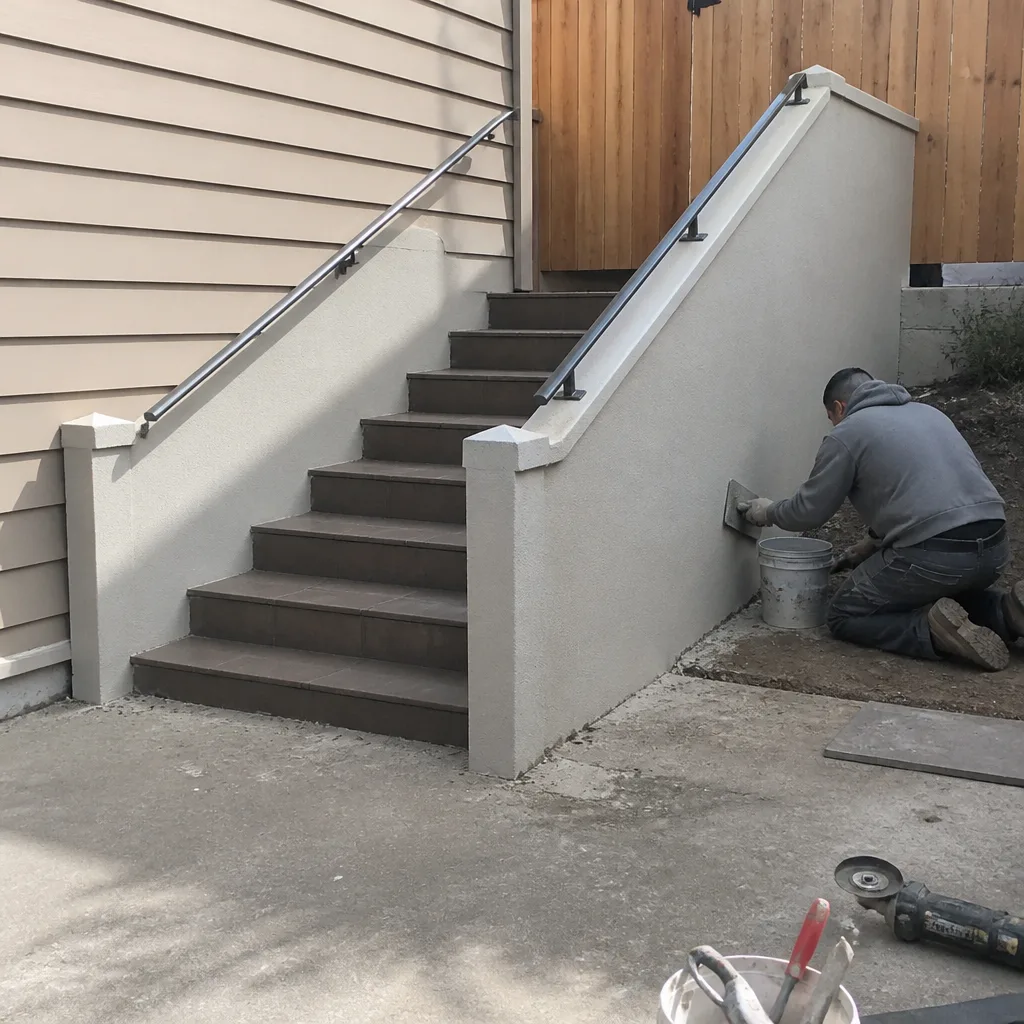
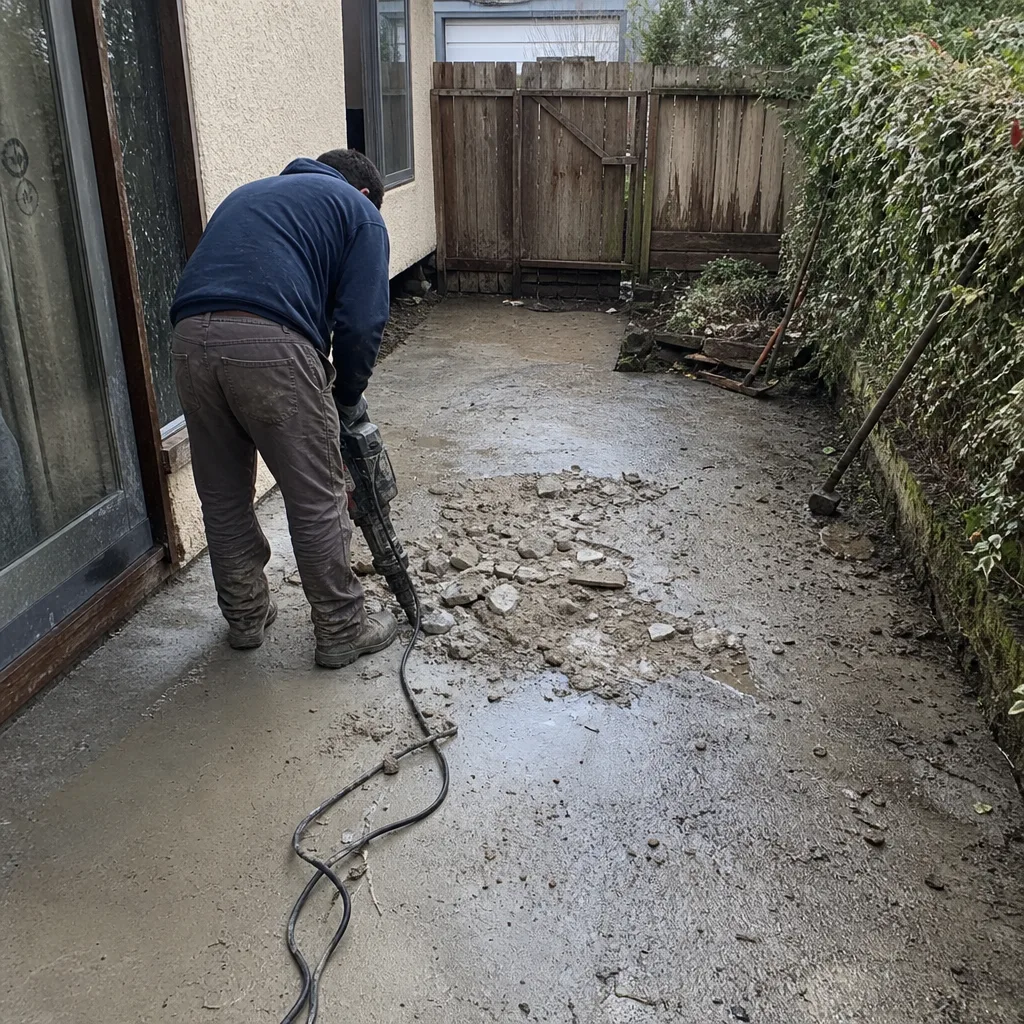
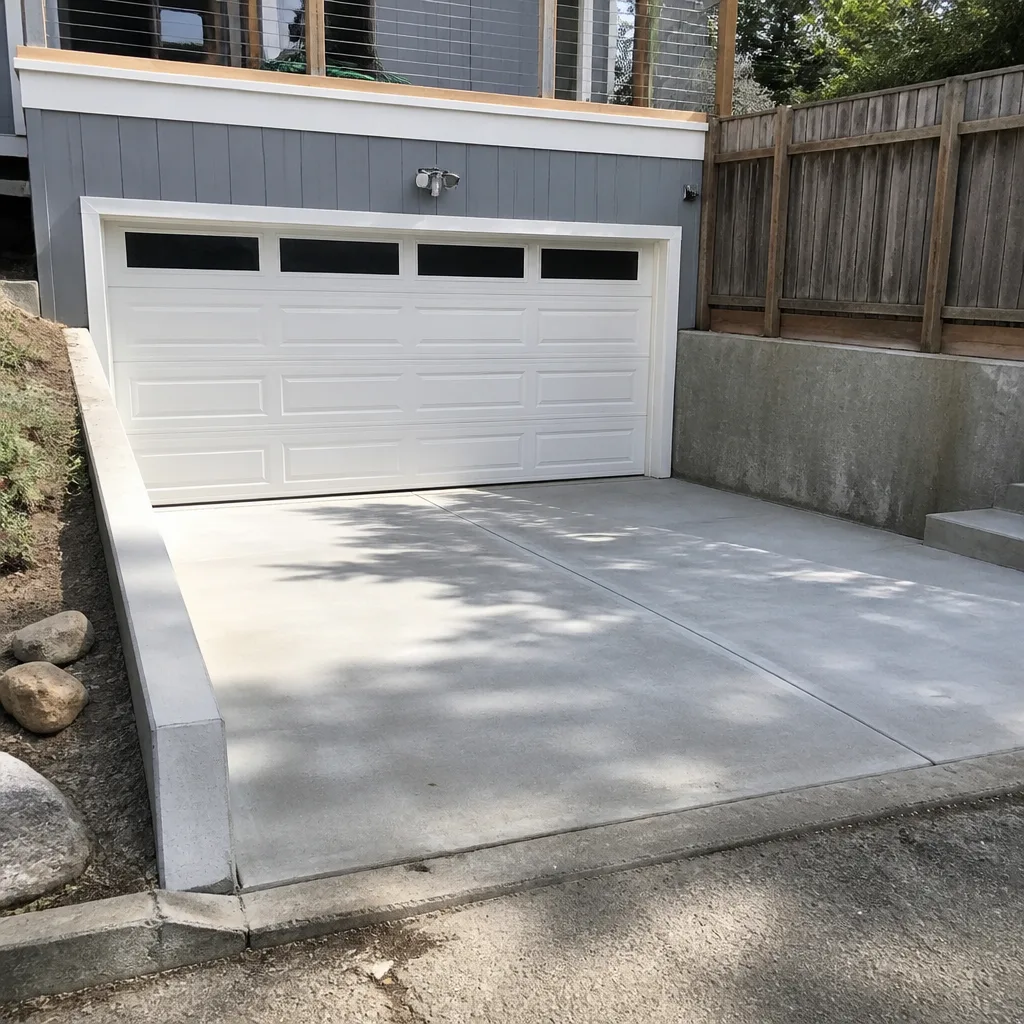
See the difference
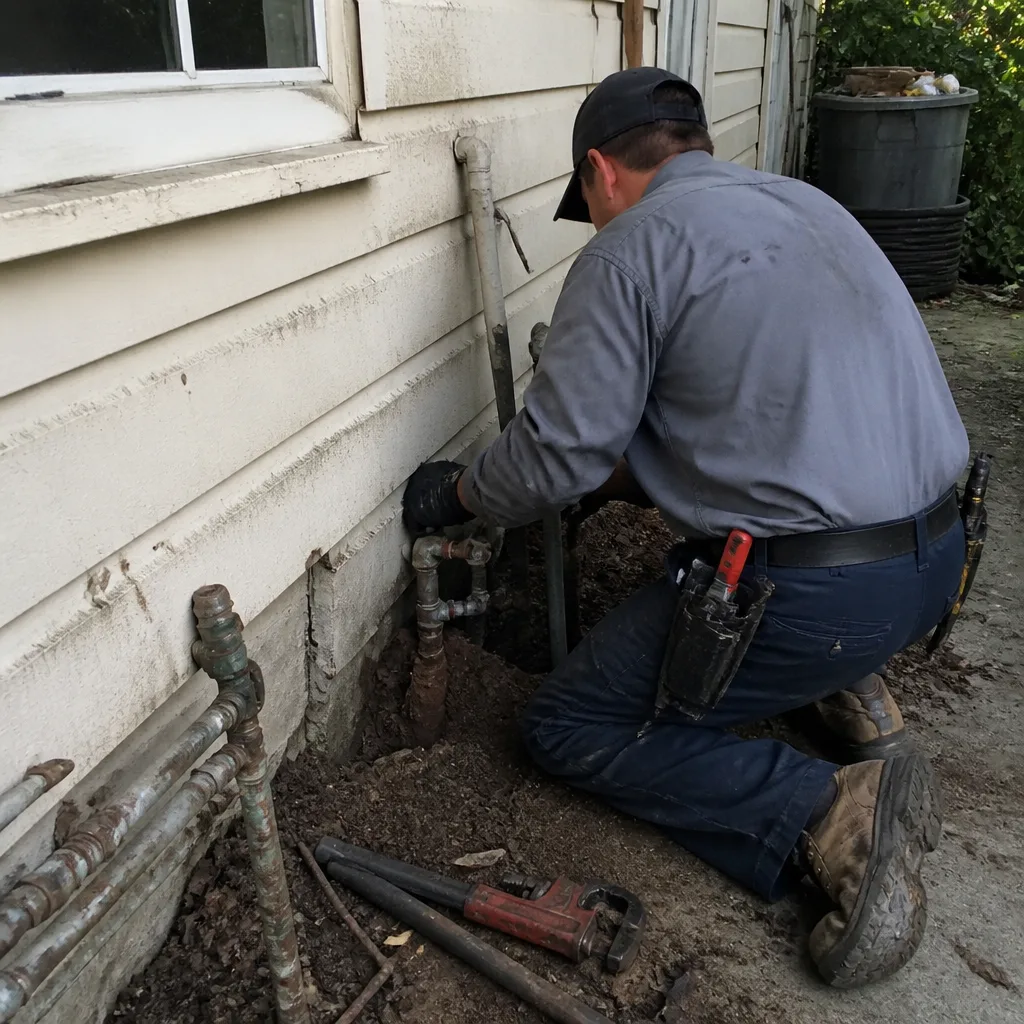 Before
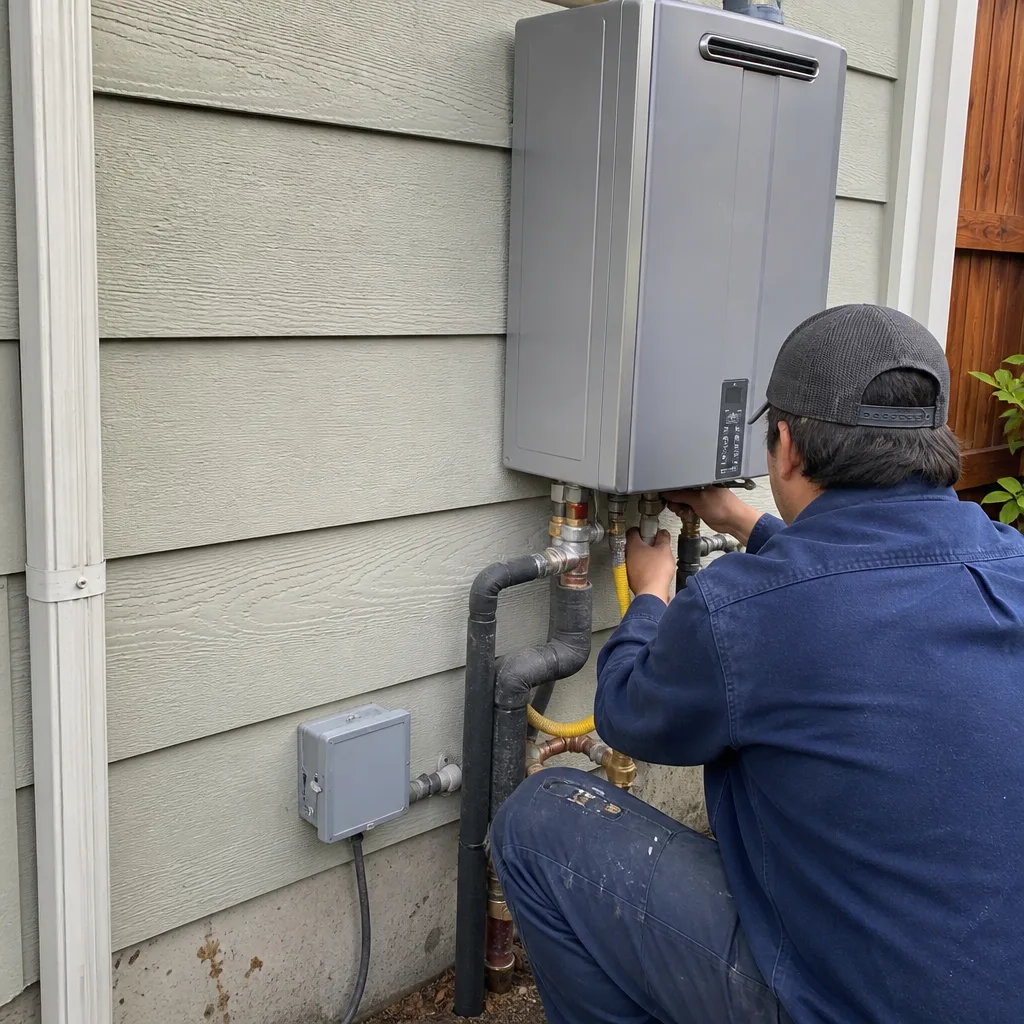 After
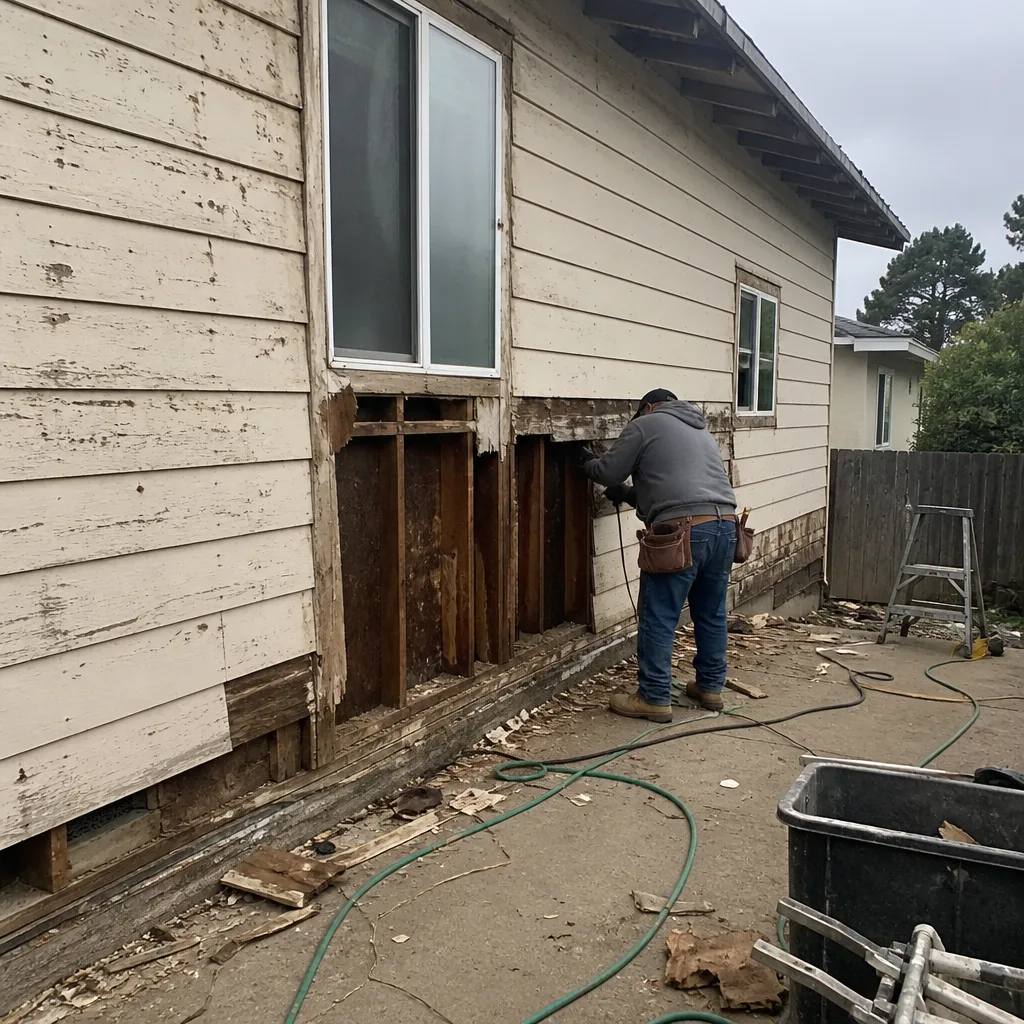 Before
 After
 Before
 After
When to Call a Professional
If your project involves structural changes, new permits, work within the coastal zone, or coordination of more than two trades, you should be working with a licensed general contractor who has specific Pacifica experience. The decision point is not whether you can describe the work you want done. It’s whether you can manage the permit process, the coastal material specifications, the weather risk, and the trade coordination without daily oversight. Most homeowners can’t, and they shouldn’t have to.
Copperleaf Contractors offers free estimates in Pacifica. If you’re planning a remodel, a renovation, an addition, or a full exterior update, call (833) 589-8173 to schedule a walkthrough of the project with one of our team members. We’ll walk the property with you, review material options across our range of vetted brands, and prepare a bid that names products and specs in plain language.
Frequently Asked Questions
Check the California Contractors State License Board online database at cslb.ca.gov, confirm the license is active, and verify the classification matches your project type, such as B – General Building for most remodels. Then ask the contractor for specific examples of San Mateo County permit history in Pacifica, since the CSLB database won’t show county-level experience. Call us at (833) 589-8173 if you’d like help walking through what to look for.
Pacifica remodels typically run 10 to 20 percent higher than comparable inland projects, driven by coastal material requirements like stainless steel fasteners and marine-grade flashings, plus the added permit review time under San Mateo County and coastal program processes. The exact premium depends on how close your property sits to the ocean and whether coastal development review is triggered. Schedule a free estimate to get a number specific to your property.
Many Pacifica properties fall within the coastal zone, which can trigger coastal development permit review in addition to a standard building permit, depending on the scope and location of the work. Your contractor should assess this during the bid phase, and a contractor with Pacifica experience will know which projects typically require it without waiting for the county to flag it mid-review. Our Seasonal Construction Care for Pacifica: Year-Round Homeowner’s Guide explains how timing affects these reviews.
Look for named coastal-rated product lines like Therma-Tru doors, PGT windows, James Hardie fiber-cement siding, and GAF or CertainTeed roofing systems with marine-grade underlayments. A bid that names manufacturers and model numbers gives you the ability to verify both quality and price independently, rather than accepting a vague “premium” label. See our Choosing the Right Construction Brand: A Buyer’s Guide for Pacifica for more on evaluating products. Call (833) 589-8173 for help reviewing an existing bid.
A well-scoped Pacifica bid should account for reasonable weather delays, geotechnical realities, and access constraints, meaning the price shouldn’t change unless the scope changes or an unexpected condition is discovered that couldn’t have been identified during the walkthrough. Insist on contract language that defines how change orders work and requires written approval before any additional cost is added. Estimates are free – call us at (833) 589-8173.
Expect Pacifica projects to run slightly longer than comparable San Francisco projects, mainly because San Mateo County’s coastal review process and the weather windows available for exterior work compress the usable construction calendar. Fog can delay paint, stucco, and roofing work by full days without a drop of rain, and those delays compound across a multi-month project.
The Bottom Line
Hiring a contractor in Pacifica is a different exercise than hiring one elsewhere in the Bay Area. The license verification is just the first filter. What matters more is whether the contractor can prove experience with San Mateo County’s permit workflow, coastal material specifications, and the fog-and-wind reality of Pacifica construction. Read bids for named products, not vague descriptors. Ask who exactly will be on the job site and how they’re vetted. And make sure the contract anticipates the specific risks this stretch of coastline presents. Do that work up front, and the project itself becomes the easy part. Visit the Copperleaf Contractors home page to learn more about how we approach Pacifica projects.
Written by the team at Copperleaf Contractors, serving Pacifica since 2017.