
Last updated October 31, 2026
 Home additions & ADU
 Kitchen remodeling
 Bathroom remodeling
 Roofing
 Windows & doors
 Driveway & pavers
 Fence
Free written scope consultation - allowances, timeline, and change-order rules on paper before a single trade is scheduled
Construction Emergency Preparedness Guide for Pacifica Homes
When an atmospheric river hits Pacifica, licensed general contractors are typically booked within 48 hours. Homeowners without an established contractor relationship end up with whoever is available, which is rarely who they’d choose. This guide walks you through Pacifica’s specific emergency risk profile, what to document before anything goes wrong, the temporary steps you can safely take in the first 24 hours, and how to evaluate repair bids when every hour counts. For more guides & resources on protecting your home, see our blog. You’ll learn why preparation is a contractor relationship, not a checklist.
Quick Answer
Construction emergency preparedness for Pacifica homeowners means documenting your home’s baseline condition before storm season, knowing which risks (water intrusion, retaining wall failure, wind damage, seismic movement) are most likely at your specific elevation and neighborhood, and having a pre-established relationship with a licensed General Contractor in Pacifica who already knows your property. The homeowners who recover fastest are not the ones with the most supplies stored. They’re the ones who can make one phone call and have a qualified team that already knows their roofline, drainage patterns, and crawl space on-site within days, not weeks.
Styles & brands we work with
Table of Contents
- Pacifica’s Emergency Risk Profile: What Actually Happens Here
- Pre-Emergency Documentation: What to Photograph and Record Now
- First 24 Hours: Safe Temporary Mitigation Steps for Water Intrusion
- Evaluating Emergency Repair Bids Under Time Pressure
- Why a Pre-Established Contractor Relationship Is Your Best Asset
- Seismic Preparedness: Cripple Walls and Retrofitting
- Drainage and Hillside Failure: The Slow Emergency
- Wind Damage and Roofing: What Fails First in Pacifica
Pacifica’s Emergency Risk Profile: What Actually Happens Here
Pacifica does not have a generic California emergency profile. The city sits on coastal bluffs and hillsides that funnel water through specific drainage corridors, and homes in different neighborhoods face materially different risk. A house in Pacifica’s Linda Mar district near San Pedro Creek deals with creek overflow and saturated soil. A home in the Fairmont or Pacific Manor neighborhoods deals with hillside runoff and retaining wall pressure. Homes closer to the ocean face salt-laden wind that degrades roofing fasteners years before the shingles themselves show wear.
In our experience working on Home Remodeling in Pacifica projects across these zones, the emergencies we see most often follow a clear frequency-and-consequence pattern:
- Storm water intrusion is the most frequent. Heavy rain driven by coastal wind finds its way through roof penetrations, window flashing, and foundation cracks. It causes immediate interior damage and, left unaddressed, structural rot and mold. Frequency: several times per decade for vulnerable homes. Consequence: high, especially if moisture reaches framing or insulation.
- Retaining wall failure is less common but more consequential. Pacifica’s hillside lots rely on retaining structures built to older standards. Saturated soil behind a wall increases lateral pressure dramatically. A failing wall threatens the wall itself and whatever sits above or below it. Frequency: rare per individual home. Consequence: severe, often requiring engineering and permits.
- Wind damage to roofing is the fastest-moving damage. Pacifica’s ridge lines and coastal exposure produce gusts that lift shingles and tear flashing before rain ever arrives. A home that loses even a few shingles in a January storm becomes a water intrusion case within hours. Frequency: common during winter storm events. Consequence: moderate to high, depending on response time.
- Seismic cripple wall failure is the lowest-frequency but highest-consequence risk. Pre-1979 homes in Pacifica often have unbraced cripple walls under the floor framing. A significant earthquake can shift the house off its foundation. Frequency: rare but regionally inevitable. Consequence: catastrophic, requiring full foundation reset and structural work.
Understanding which risks apply to your specific Pacifica elevation and microclimate is the first step in preparation. A homeowner on a flat Linda Mar lot has a different priority list than one on a Fairmont hillside. General advice fails here. Site-specific assessment works.
Pre-Emergency Documentation: What to Photograph and Record Now
The most useful emergency preparedness step a Pacifica homeowner can take costs nothing and takes an afternoon. Document the baseline condition of your home before storm season. When damage occurs, insurance adjusters and contractors need to distinguish pre-existing conditions from new damage. Without baseline photos, that distinction becomes a negotiation, and a homeowner without documentation is negotiating from a weak position.
What to document, in order of emergency relevance:
- Roof surface and penetrations: Photograph the roof from at least four angles, including close shots of pipe boots, vents, skylights, and chimney flashing. These penetrations are where Pacifica wind-driven rain enters first. A close-up of a pipe boot taken in August proves that January water intrusion was a new failure, not deferred maintenance.
- Crawl space and foundation: If your home has a crawl space, photograph the foundation walls, sill plates, cripple walls, and any existing cracks or water stains. Pacifica hillside homes often have drainage systems running through or near the crawl space. Document those too. This is also when a homeowner notices standing water issues they didn’t know existed.
- Drainage infrastructure: Photograph every downspout outlet, catch basin, French drain cleanout, and swale on the property. Note where water exits during heavy rain. Pacifica homes with hillside exposure often have drainage systems that were installed decades ago and partially buried. Knowing where they are, and what they looked like when functioning, speeds emergency response and keeps structural repairs scoped correctly.
- Windows and door flashing: Photograph window heads, door thresholds, and the flashing details around them. Coastal Pacifica wind pushes rain horizontally, and window flashing failures are a leading water intrusion point. Baseline photos prevent an adjuster from calling storm damage a chronic leak.
- Retaining walls and slopes: Walk the property perimeter and photograph every retaining wall and slope from multiple angles. Note any existing cracks, bulges, or tilts in writing as well as photos. Hillside homes in Pacifica shift gradually over time. A documented baseline distinguishes sudden failure from long-term settlement.
- Contractor contact protocol: This is not a photo, but it belongs in the same folder. Write down your contractor’s name and phone number, your insurance agent’s contact, and the after-hours claim line for your insurer. In an emergency, you will not remember where you filed this. Keep a printed copy in the garage or laundry room and a digital copy on your phone.
One note that matters more than most homeowners expect: storing these photos on a phone that might be damaged in the same storm that damages the house defeats the purpose. Use a cloud service or email them to yourself. The goal is access from anywhere, even if your home is temporarily unsafe to enter.
First 24 Hours: Safe Temporary Mitigation Steps for Water Intrusion
When water is actively entering a Pacifica home, the first 24 hours determine how much of the damage becomes permanent. The structural framing, insulation, and drywall in a typical coastal California home begin absorbing moisture immediately. Mold growth in Pacifica’s humid coastal climate can start within 48 hours. What a homeowner does in the first day matters.
What follows is a sequence of temporary steps a homeowner can take safely without voiding insurance coverage or creating liability. None of these are substitutes for professional repair. They are stopgaps that reduce the total cost of what comes after.
- Stop the water source if you can safely do so. This usually means shutting off a leaking supply line or water heater. Do not walk on a wet roof. Do not climb a ladder in wind. If the source is roof damage, moving a bucket under the leak and clearing the area below is the limit of safe temporary response.
- Document everything immediately. Photograph and video the active water, the visible damage, and the affected contents. Before moving anything, record where water is and where it has been. Insurance claims move faster with clear contemporaneous documentation.
- Move undamaged contents out of the water path. This is where effort now prevents loss later. Furniture, rugs, electronics, clothing, and anything porous that is still dry should be relocated. Pacifica homes near the coast often have raised foundations; check whether water is running under walls and pooling in low spots.
- Control what you can control indoors. If water has reached electrical outlets or appliances, shut off the circuit at the breaker panel if you can do so without stepping through water. Set up fans to move air across wet surfaces, but only after confirming the area is electrically safe. Open windows if outdoor humidity permits; Pacifica’s coastal air is often humid, so this step is less reliable than it is inland.
- Contact your insurance company. Most policies require prompt notification of water damage. Calling early protects the claim. Know that California law gives homeowners the right to choose any licensed contractor for repairs. The insurer may recommend someone. You are not required to use them.
- Call a licensed general contractor. Even if the insurance adjuster has not yet visited, a contractor you trust can assess scope, begin drying protocol, and help you prepare for the adjuster’s questions. This is where a pre-existing relationship pays off. A contractor who already knows your Pacifica home arrives with context instead of starting from zero.
What not to do is just as important. Do not make permanent repairs before the insurance adjuster documents the damage, unless delay would cause further loss, in which case photograph what you are repairing and keep the damaged materials. Do not hire an unlicensed contractor offering cash pricing. Construction Permits, Codes & Inspections in CA: What You Need to Know — Pacifica building permits are required for structural repairs, and unlicensed work can void coverage and complicate resale. Do not attempt to dry water-damaged drywall by cutting it out yourself; concealed moisture does more damage than visible moisture, and proper drying requires a moisture meter and professional assessment.
Evaluating Emergency Repair Bids Under Time Pressure
Storm emergencies in Pacifica create a predictable market condition: demand spikes, legitimate contractors book out, and storm chasers appear. A storm chaser is not always a scam in the criminal sense. More often, it’s a contractor from outside the area who follows disaster events, submits aggressive bids, and then delivers a project that meets the minimum rather than the standard. They operate on volume and velocity, not relationships.
Under time pressure, a homeowner is most vulnerable to accepting a bid for the wrong reasons. Here are the red flags that separate opportunistic operators from legitimate contractors in Pacifica’s post-storm market:
- They ask for full payment up front. California law limits down payments for home improvement contracts. A contractor asking for more than the legal limit, or full payment before work begins, is a red flag. Legitimate remodelers and general contractors work on a draw schedule tied to milestones.
- They are not familiar with Pacifica permit requirements. Coastal construction in Pacifica involves specific requirements for structural work, drainage, and, in bluff-adjacent zones, geotechnical review. A contractor who shrugs off permits or says they can “handle it later” is signaling that they do not understand the local jurisdiction.
- The bid price is meaningfully below every other estimate. In a high-demand emergency market, pricing below market signals one of two things: the contractor has not calculated the scope correctly, or they intend to cut corners that are not visible at first glance. Neither helps the homeowner.
- They cannot provide a current California contractor license number and proof of insurance. This is a hard stop, not a yellow flag. Verify the license online. Verify the insurance with the carrier. Legitimate contractors in Pacifica expect this and provide it without friction.
- They pressure a signature in the first meeting. A legitimate contractor in a busy emergency season will want to lock the project, but they will also respect the homeowner’s need to verify credentials and compare scope. High-pressure sales tactics with a “price is only good today” clause are storm chaser behavior.
A practical approach to evaluating emergency bids: ask every bidder to scope the work in writing, broken into line items. Compare the scopes, not just the prices. A bid that includes crawl space drying but not crawl space inspection is cheaper for a reason. A bid that includes temporary roof covering but not permanent repair postpones the real work without telling you. The lowest bidder is rarely the best value, and in a Pacifica emergency, value means preventing the next water intrusion, not just patching the current one.
Why a Pre-Established Contractor Relationship Is Your Best Asset
Every step in this guide becomes easier with one asset: a licensed contractor who already knows your home. This is not theoretical. When a homeowner calls a contractor they have worked with before, or at minimum met for a pre-emergency walkthrough, the conversation starts at a different point. The contractor knows the roof’s age and condition, the drainage layout, the prior repair history, and the home’s specific vulnerabilities. That context is worth days in an emergency response
Building this relationship before you need it is simpler than most homeowners assume. It does not require a signed contract for a future project, though many Pacifica homeowners use a planned remodel or renovation as the entry point. A homeowner who has already completed a project with a general contractor has established trust, documentation, and a working relationship. A homeowner planning an eventual remodel can invite a contractor to walk the property and discuss scope as a planning exercise. The contractor sees the home’s baseline condition. The homeowner sees how the contractor communicates and whether they are someone worth trusting with an emergency.
The Copperleaf approach to this reflects how we work on every project. We are a full-scope general contractor serving Pacifica homeowners, which means the same team that handles a Home Renovation in Pacifica also understands the exterior envelope: roofing, windows, drainage, and hardscape systems. That matters in an emergency because water intrusion is rarely one system failing in isolation. A roof leak often involves gutter capacity, downspout routing, and grading. A retaining wall issue often involves what is flowing toward the wall from uphill. A contractor who sees the whole building envelope solves the problem once instead of chasing symptoms.
For Pacifica homeowners who value material quality, a pre-established relationship also means product access. When emergency repairs require roofing, Copperleaf works with manufacturers like Owens Corning, IKO, Atlas, and Tamko. When window flashing needs replacement, the options include PGT, CGI, and Therma-Tru. The emergency is not the time to research material options. It’s the time to have a contractor who already sources from the lines you would choose anyway.
Seismic Preparedness: Cripple Walls and Retrofitting
Pacifica sits in a seismically active region. The risk is not hypothetical, and the damage pattern for older wood-frame homes is well documented. Homes built before 1979 often have cripple walls: short wood stud walls between the foundation and the first floor framing. In an earthquake, unbraced cripple walls can collapse sideways, dropping the house off its foundation. This is a catastrophic failure that requires full structural reset, and the cost routinely exceeds six figures.
The prevention is a seismic retrofit, which braces the cripple wall with structural plywood and anchors the sill plate to the foundation. The work is specific and requires an understanding of existing foundation condition. In our experience on Pacifica homes, the conversation about seismic retrofit often starts during a planned remodel, when the walls are open or the crawl space is accessible anyway. A homeowner who plans to work in the crawl space should evaluate cripple wall bracing at the same time. The incremental cost is modest compared to the retrofit as a standalone project, and the timing efficiency is real.
What a homeowner can do before any seismic event:
- Identify whether your home has a cripple wall. If you have a crawl space and the house was built before 1979, the answer is probably yes. A visual check from the crawl space access point confirms it.
- Photograph the cripple wall now. These photos belong in the same emergency documentation file as the roof and drainage photos. Post-event, they establish what changed.
- Know your foundation type. Post-tensioned slab foundations respond differently than raised foundations. A contractor assessing post-earthquake damage needs to know what they’re looking at.
- Secure heavy furniture as a baseline practice. This is not construction, but it protects occupants and reduces contents damage that complicates insurance claims.
Seismic work is planned construction, not emergency response. That makes it a natural fit for the full-scope approach. A homeowner who plans a seismic retrofit alongside a remodeling project gets one permit cycle, one team, and one point of accountability rather than two contractors working around each other.
Drainage and Hillside Failure: The Slow Emergency
Not every construction emergency in Pacifica announces itself with a storm. Hillside drainage failure is often a slow emergency, building over years, then failing suddenly during a heavy rain event. The signs appear before the failure, and a homeowner who recognizes them can act before the hillside moves. See Construction Warning Signs: A Pacifica Homeowner’s Reference Guide for what to watch for.
Warning signs specific to Pacifica hillside lots:
- New or widening cracks in exterior walls or foundations, especially diagonal cracks that follow the slope direction, suggest movement rather than normal settling.
- Doors and windows that begin to stick or resist closing on one side of the house while working fine on the other often signal differential movement in the framing.
- Water pooling or seeping from the slope face after rain indicates saturated soil and reduced stability.
- Retaining walls showing new bulges, tilts, or weep-hole staining are under increased lateral load. A wall that has stood for thirty years can fail in one wet winter.
- Downslope vegetation dying or thinning in patches can indicate water concentrating underground where it was not before.
Drainage work on Pacifica hillsides involves intercepting water before it saturates the soil adjacent to structures. That means surface swales, French drains, downspout extensions, and sometimes engineered retaining structures. The work is governed by local grading and drainage codes, and in bluff-adjacent zones, geotechnical review may be required. This is not a DIY scope. A licensed contractor with Pacifica hillside experience knows which permitting path applies and how to sequence the work to keep the property protected during construction.
Hardscaping is part of the drainage conversation more often than homeowners expect. Pavers, retaining walls, and site grading from manufacturers like Belgard and Unilock are not decorative. They direct water away from foundations and stabilize slopes. A full-scope contractor who manages both hardscape and structural drainage under one team eliminates the coordination gap where water finds its way through.
Wind Damage and Roofing: What Fails First in Pacifica
Pacifica’s coastal wind is the variable most homeowners underestimate. The same storm that brings three inches of rain arrives with sustained winds that test every roof penetration, every flashing seam, and every aging shingle. What fails first is rarely the roof covering itself. It’s the transition points: pipe boots, chimney flashing, valley metal, ridge vents, and the edges where the roof meets fascia.
This matters because a roofing emergency in Pacifica is usually a small failure that grows. A lifted shingle on the windward slope becomes a water entry point within hours of sustained rain. A torn pipe boot lets wind-driven water follow the pipe down into the attic or wall cavity. A failed chimney flashing channel directs water into the framing around the chimney, where it hides from view until staining appears on ceilings weeks later.
Preventative steps that reduce wind-damage risk:
- Have roof penetrations inspected annually. The plastic pipe boot on a typical home has a service life measured in years, not decades. Replacing one before failure is a small job. Replacing the ceiling, insulation, and framing after failure is not.
- Check attic ventilation after every major storm. Look for daylight through the roof deck, displaced insulation that suggests wind-driven rain entered through vents, and rust on fastener heads that indicates moisture exposure.
- Know your roofing material’s wind rating. Homeowners choosing new roofing in Pacifica should ask about wind ratings for the specific product line, not just the brand. A tile roof has a different failure profile than an architectural asphalt roof. Owens Corning, IKO, Atlas, and Tamko all manufacture lines rated for elevated wind zones; the right selection depends on the site’s exposure.
- Keep trees and loose yard items managed. Wind-driven debris causes a material percentage of Pacifica roof damage. A branch that rubs a shingle edge for a season creates a wear point that fails in the first strong storm.
When wind damage occurs, the first priority is preventing water follow-on. A licensed roofing contractor can install temporary protection such as tarping or temporary shingle replacement until permanent repairs can be scheduled. In high-demand periods after Pacifica storms, the waiting line for permanent roofing work extends weeks. Temporary protection installed within the first 48 hours is the difference between a contained repair and a major interior remediation.
Common Mistakes to Avoid
Most of the avoidable damage in Pacifica construction emergencies comes from a small set of repeated errors. These are the mistakes we see most often, in the order of how much they cost homeowners:
- Waiting to document the home’s baseline condition until after damage occurs. Insurance claims slow down when the homeowner cannot show the pre-storm condition. Photos taken in August are worth more than any photo taken in January.
- Hiring the first available contractor without verifying license and insurance. High demand brings out unlicensed operators. The California license check takes sixty seconds online, and the insurance verification is one phone call. Both protect the homeowner from liability for worker injuries and from substandard work.
- Accepting a verbal estimate under emergency pressure. In Pacifica, structural repairs require written scope and a signed contract with payment terms. Verbal agreements are unenforceable and routinely end in disputes.
- Skimping on drainage when repairing water damage. Fixing the visible water damage without fixing the drainage path that delivered the water means the same emergency recurs. This is the single most common repeat-service call we see.
- Treating seismic retrofit as optional because an earthquake has not happened recently. The California earthquake risk is regional and ongoing. The cost of retrofit is modest compared to foundation reset after a cripple wall failure.
- Ignoring small roof issues during dry months. A small flashing gap in September is a water intrusion event in January. Dry-season inspection and minor repair is the cheapest insurance available to a Pacifica homeowner.
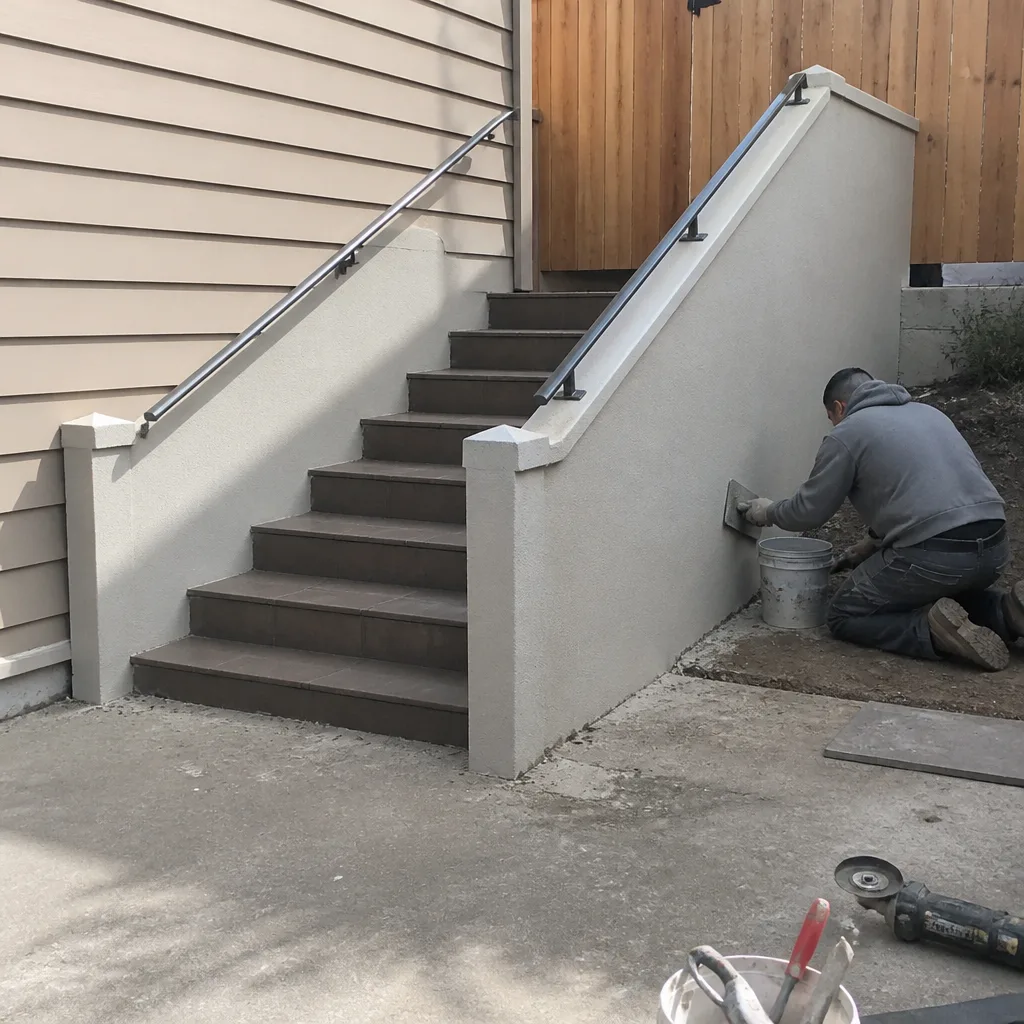
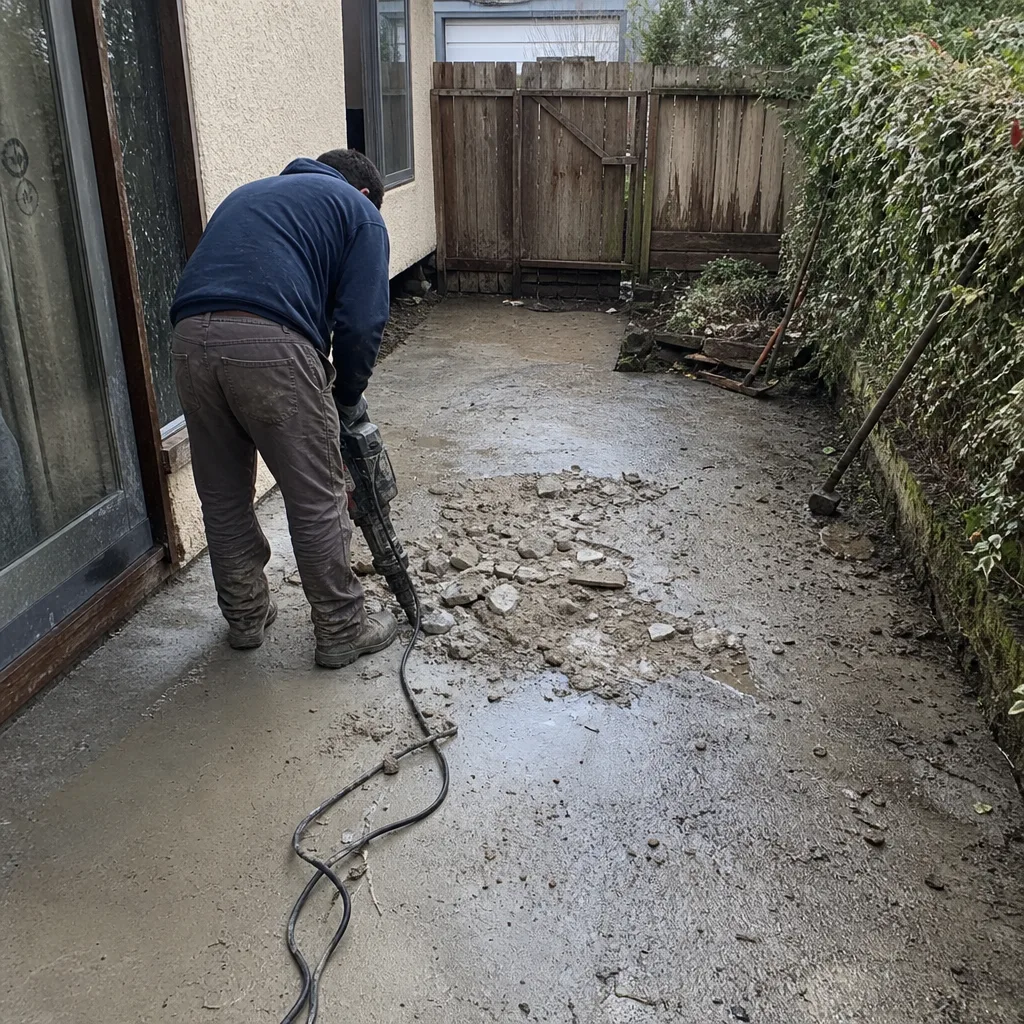
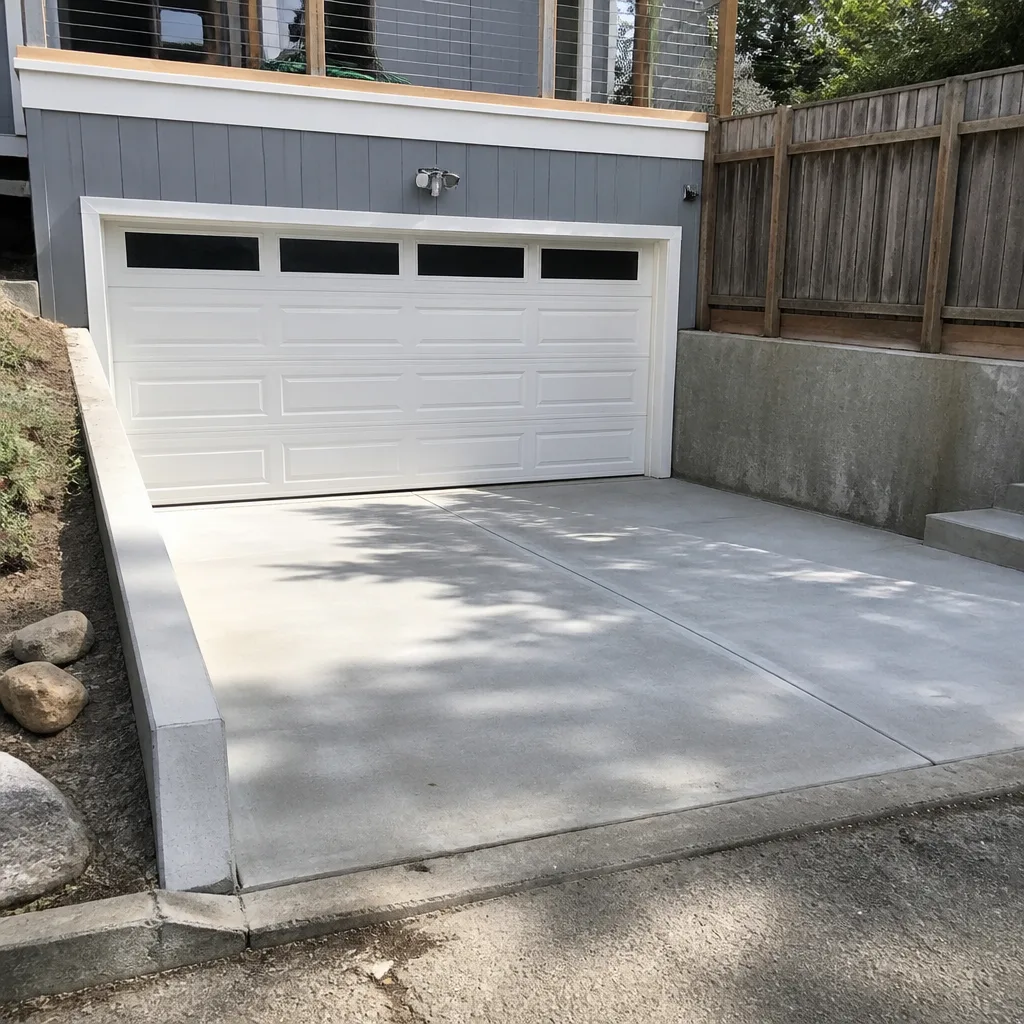
See the difference
 Before
 After
 Before
 After
 Before
 After
When to Call a Professional
Call a licensed contractor immediately if water intrusion has reached electrical systems, if a retaining wall shows new movement or bulging, if roof damage exposes the interior of the home to rain, if cracks in foundation or framing appear or widen after a storm or seismic event, or if a hillside or bluff shows signs of shifting. These are not projects for improvisation. The structural stability of your Pacifica home and the safety of everyone in it depends on qualified assessment and permitted work. Temporary steps exist to reduce damage until help arrives, and the professionals who arrive should be the ones you chose, not the ones you settled for under pressure.
Copperleaf Contractors offers free estimates in Pacifica. Call (833) 589-8173 to schedule an assessment, whether you need emergency repair scoping or want a pre-emergency walkthrough to document your home’s baseline if you do not have one yet. The walkthrough is the single highest-value hour a Pacifica homeowner can spend on emergency preparedness.
Frequently Asked Questions
Water damage repair in Pacifica typically ranges from $2,000 to $12,000 depending on the extent of water intrusion, with costs rising significantly if structural framing or crawl space remediation is required. The variable is how quickly drying begins and whether the drainage cause is fixed in the same scope. Call (833) 589-8173 for an exact assessment; estimates are free.
Standard California homeowners policies cover sudden storm damage such as wind-driven water intrusion, but they do not cover gradual water damage from deferred maintenance. The distinction between sudden and gradual is where baseline documentation matters most. A contractor who can articulate the difference to your adjuster helps the claim considerably.
Yes. Emergency repairs may begin under temporary protection measures, but permanent structural and roofing repairs require permits from the City of Pacifica. A licensed general contractor handles the permit process as part of the scope. Working without permits creates resale complications and can void insurance coverage for the repair.
Most storm damage repairs in Pacifica take 2 to 8 weeks from initial assessment to final inspection, depending on the extent of structural work, material lead times, and the permit queue. Emergency temporary protection typically happens within the first few days. The permanent repair cannot begin until the structure is dry and the permit is issued.
Move vehicles and stored items away from the wall, photograph the bulge from multiple angles, and call a licensed contractor for a structural assessment. A retaining wall that shows new movement is under saturated soil load and can fail without further warning. Do not attempt to brace or repair the wall yourself. Call (833) 589-8173 for a professional evaluation.
Yes. The walkthrough documents your home’s baseline condition, identifies vulnerabilities you did not know about, and establishes a contractor relationship before the emergency forces one. The documentation alone, even if you never use the contractor for repair, strengthens any future insurance claim. There is no downside.
The Bottom Line
Pacifica homes face specific, overlapping emergency risks: water intrusion, hillside drainage failure, coastal wind damage, and seismic movement. Each has a narrow response window. The homeowners who recover fastest are not the ones with the most emergency supplies. They are the ones who documented their home’s baseline condition, understand their specific risk profile, and have a contractor relationship already in place. Preparation here is not a kit in the garage. It’s a set of photographs, a written record of drainage and structural condition, and one phone number that answers when you call it. Building that foundation before the storm is the difference between a repair and a recovery.
Written by the team at Copperleaf Contractors, serving Pacifica since 2017.