
Last updated October 31, 2026
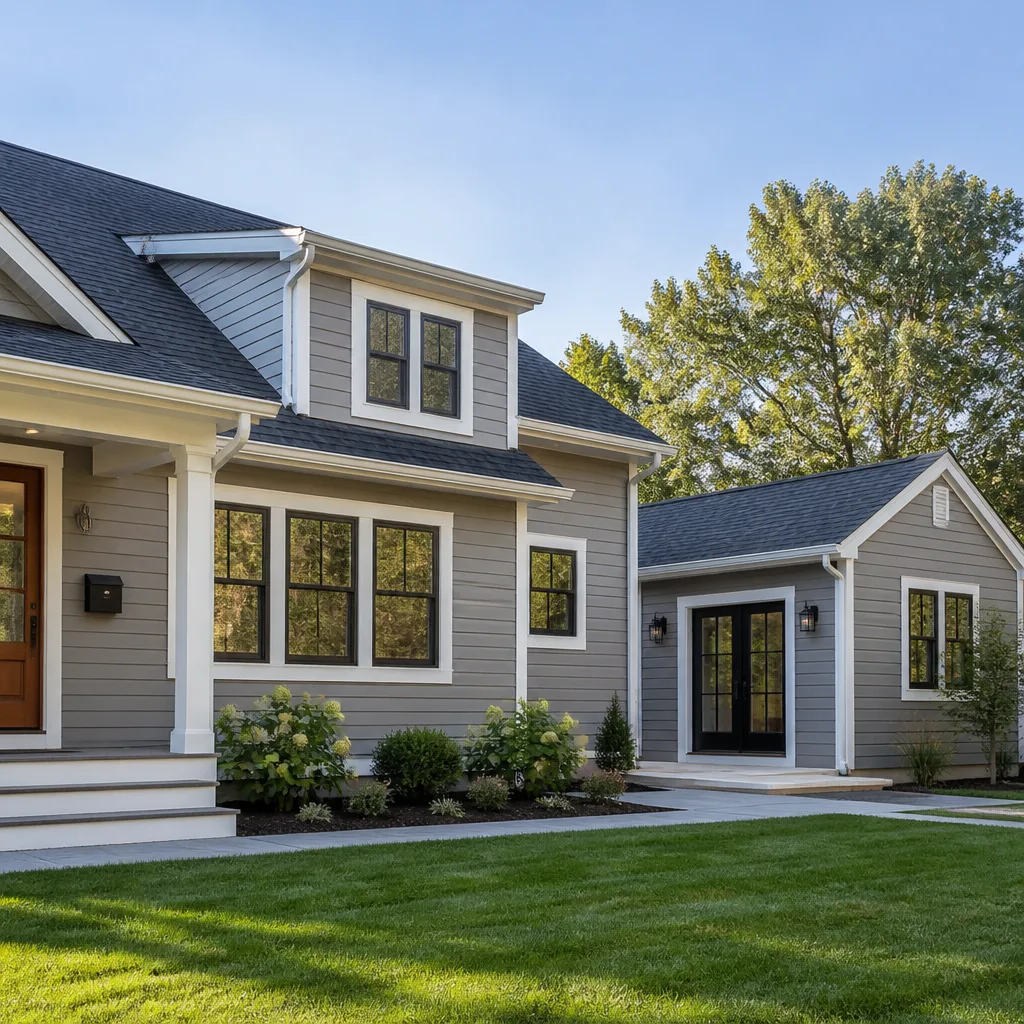 Home additions & ADU
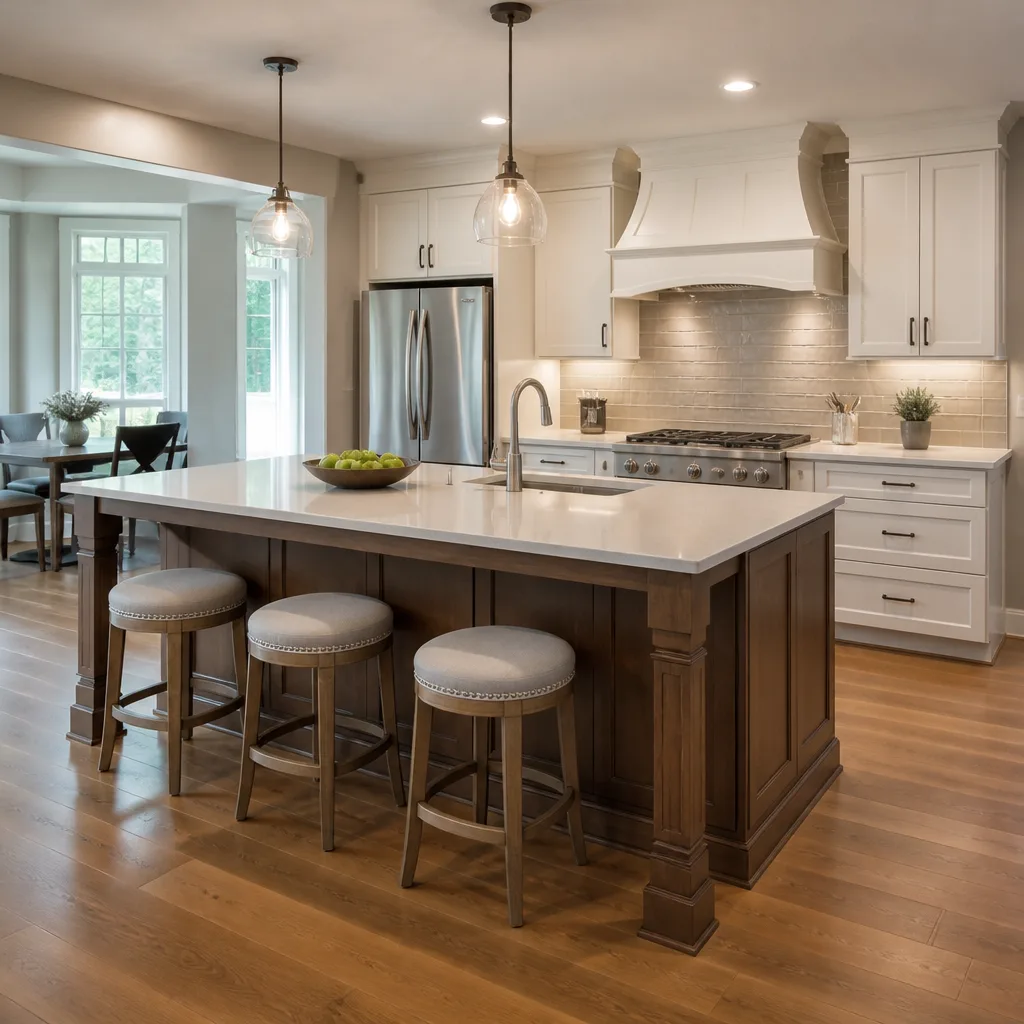 Kitchen remodeling
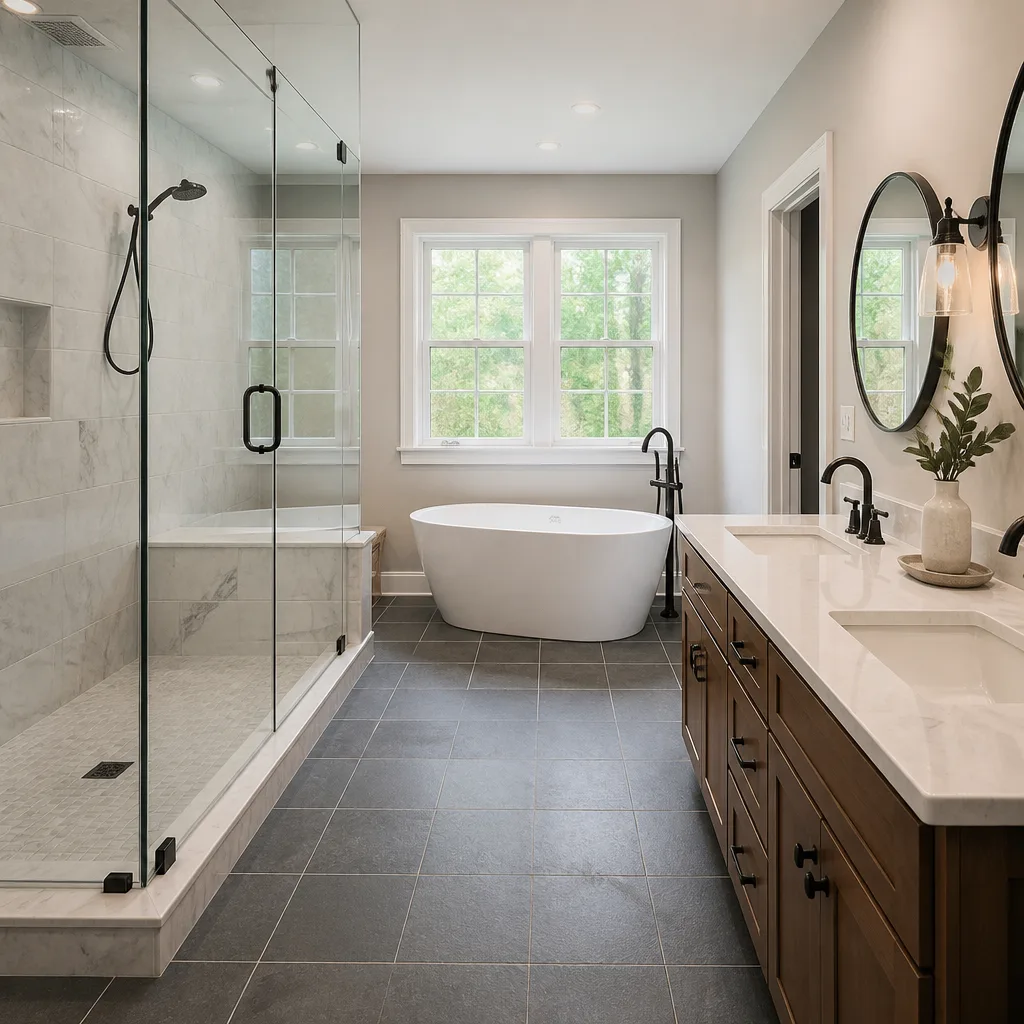 Bathroom remodeling
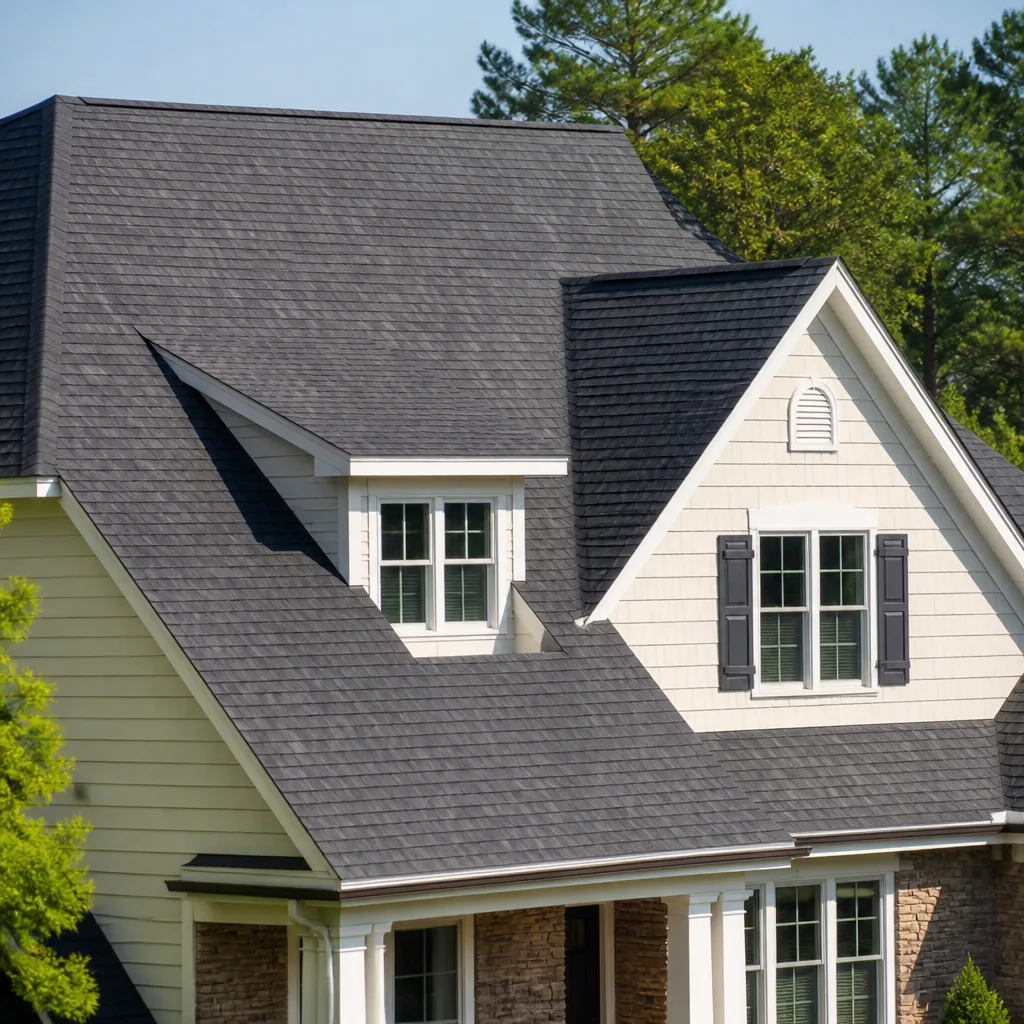 Roofing
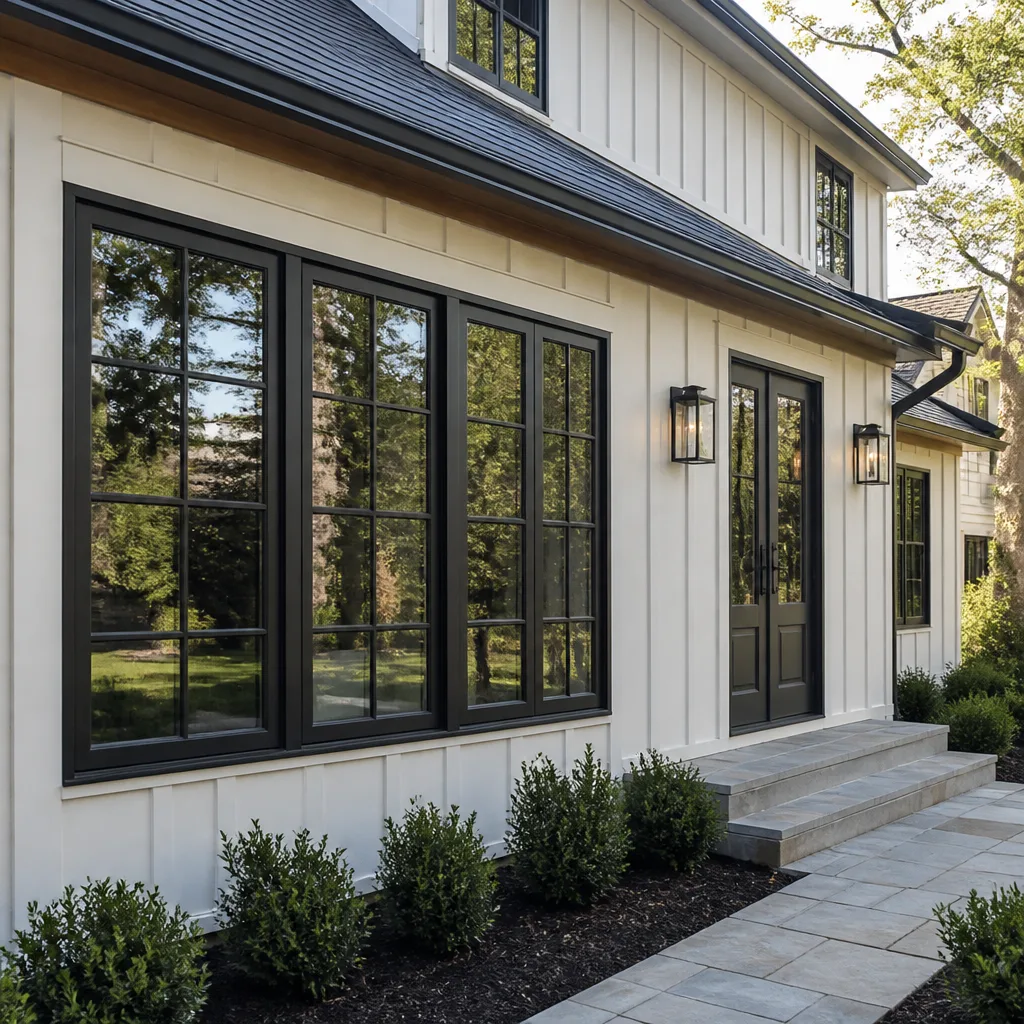 Windows & doors
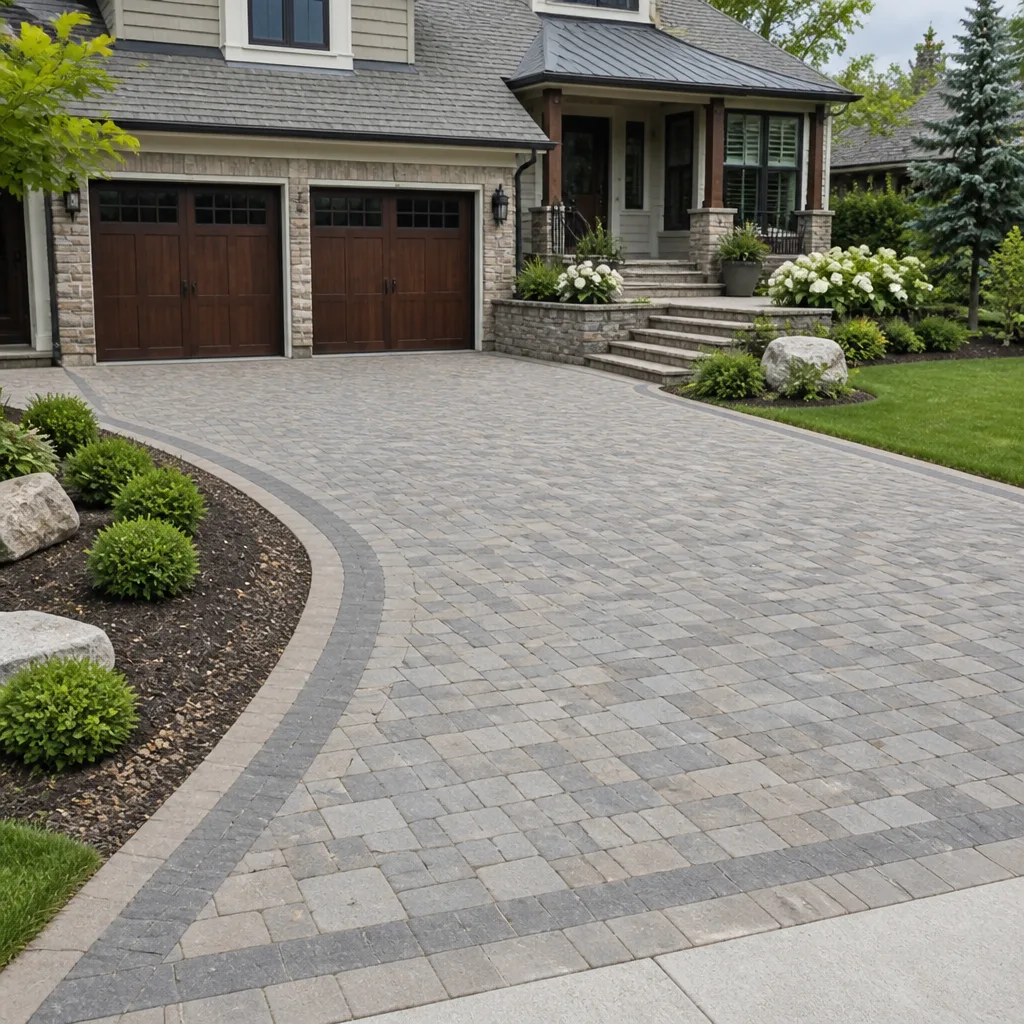 Driveway & pavers
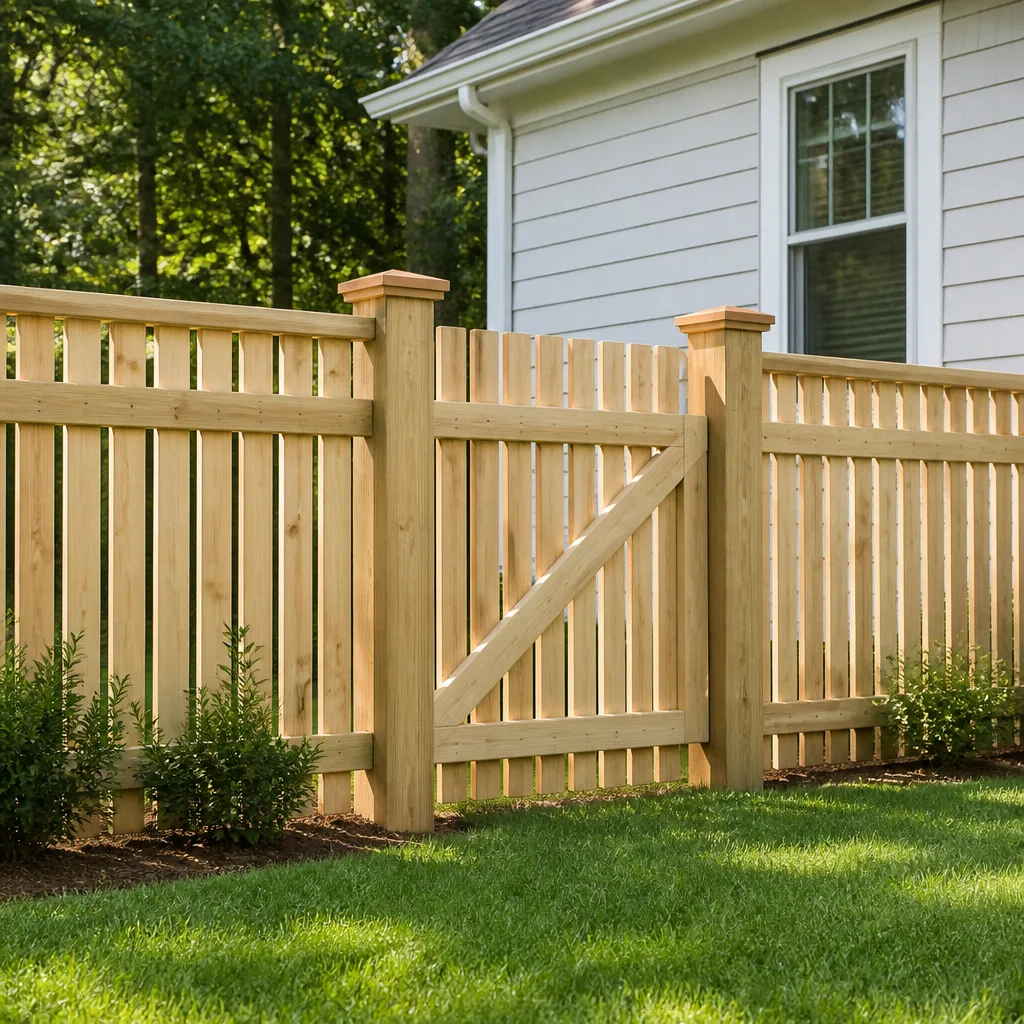 Fence
Free written scope consultation - allowances, timeline, and change-order rules on paper before a single trade is scheduled
Construction Cost Breakdown: The Pacifica Homeowner’s Reference for 2026
The average Pacifica kitchen remodel costs 12 to 18 percent more than a comparable San Jose project not because of contractor markup, but because corrosion-resistant hardware, coastal-rated windows, and San Mateo County plan-check timelines add real dollars at every stage. Most homeowners discover these premiums one surprise line item at a time. This guide quantifies them up front so you can budget accurately, compare bids intelligently, and stop wondering why your neighbor in Campbell paid less for what looks like the same job. For more guides & resources on Pacifica construction, explore our blog. By the time you finish reading, you will know exactly where Pacifica construction dollars go and which costs you can control.
Quick Answer
Construction costs in Pacifica run 12 to 18 percent higher than Bay Area inland averages due to four quantifiable factors: coastal material premiums for corrosion-resistant products, San Mateo County plan-check timelines that add 60 to 120 days to project schedules, labor surcharges for crews driving from inland hubs, and hillside access constraints that slow material delivery and waste removal. A mid-range kitchen remodel that costs $45,000 in San Jose typically lands between $50,000 and $53,000 in Pacifica. A full home renovation of 2,000 square feet that costs $300,000 inland runs closer to $340,000 to $360,000 on the coast.
Styles & brands we work with
Table of Contents
- Why Pacifica Costs More: The Four Coastal Premiums
- 2026 Construction Costs by Category: Pacifica vs. Inland
- What San Mateo County Plan-Check Timelines Actually Cost You
- How to Read a Pacifica Contractor Bid for Hidden Coastal Premiums
- ADU Costs in Pacifica: Prefab vs. Site-Built Economics
- Where Material Selection Has the Highest Leverage in a Coastal Environment
- Common Mistakes to Avoid
- When to Call a Professional
- Frequently Asked Questions
Why Pacifica Costs More: The Four Coastal Premiums
Pacifica sits on a fog-exposed coastline where salt air, constant moisture, and hillside topography create conditions that inland Bay Area cities simply do not face. Those conditions translate into four distinct cost categories that show up on every serious remodeling bid. Understanding them is the difference between an accurate budget and an expensive surprise.
1. Coastal material premiums. Salt air eats standard galvanized hardware. Exterior fasteners, flashing, and connector plates in Pacifica must be stainless steel or marine-grade coated, and that upgrade alone adds 8 to 15 percent to exterior material costs. Roofing underlayment rated for high-wind coastal zones costs more than standard felt. Siding must resist moisture intrusion that never dries out during Pacifica’s summer fog season. Windows on the west-facing side of a Pacifica home need coastal-rated frames and hardware, which is where brands like Therma-Tru and ES Windows enter the conversation. A standard vinyl window frame performs differently at 500 feet from the surf than it does in Fremont.
2. Permit and plan-check timelines. San Mateo County plan review for residential remodels runs longer than Santa Clara County by a consistent margin. We will break down the dollar impact in a dedicated section below because this is the least understood premium in Pacifica construction. For a deeper look at local requirements, see our Construction Permits, Codes & Inspections in CA: What You Need to Know.
3. Labor and logistics surcharges. Most specialty trade crews operate out of hubs in San Jose, Fremont, or the East Bay. The drive to Pacifica over Highway 92 or up Highway 1 adds 45 to 90 minutes of non-billable windshield time each way. Subs either build that fuel and time into their bids or they consolidate Pacifica jobs to make the trip worth it. Either way, the homeowner pays a logistics premium that inland clients rarely see. On a whole-home renovation with 15 trade visits per week over four months, this line item alone can exceed $6,000.
4. Access constraints on hillside lots. Pacifica neighborhoods like Vallemar, Pedro Point, and Fairway Park have narrow streets, steep driveways, and tight turn radii. A 40-yard debris bin that drops cleanly onto a Sunnyvale driveway may require a street permit and a safety flagger in Pacifica. Material deliveries on hillside streets sometimes require smaller trucks and more trips, which multiplies delivery fees. Concrete pours on a slope need pumping rather than direct chute placement, adding $900 to $1,400 per pour.
These four premiums stack. None of them reflect contractor greed. All of them reflect geography, climate, and county process. A General Contractor in Pacifica who prepares for them is doing the job correctly.
2026 Construction Costs by Category: Pacifica vs. Inland
The numbers below come from real 2025-2026 project data across the Bay Area. They represent mid-range material selections and licensed, insured labor. High-end finishes push every number higher. Budget substitutions pull them lower. The point is the spread between coastal and inland pricing, not a hard quote for any specific job.
Kitchen Remodel Cost Comparison
- Inland Bay Area (San Jose, Fremont, Santa Clara): $42,000 to $55,000 for a standard 150-square-foot kitchen with mid-range cabinetry, quartz counters, and minor layout changes.
- Pacifica: $48,000 to $64,000. The premium comes from cabinet hardware spec’ed for humidity resistance, under-cabinet lighting with moisture-rated components, and the labor logistics noted above.
Bathroom Remodel Cost Comparison
- Inland: $18,000 to $28,000 for a standard 5×8 bathroom with tile surround, new vanity, and new fixtures.
- Pacifica: $21,000 to $33,000. Moisture-management labor is the differentiator, including Schluter-system waterproofing substrates that perform better than standard cement board in coastal humidity. Skipping that step in a Pacifica bathroom is how walls turn to mush behind tile within five years.
Roofing Replacement Cost Comparison
- Inland: $16,000 to $22,000 for a 2,000-square-foot composition shingle tear-off and replacement.
- Pacifica: $20,000 to $28,000. GAF and CertainTeed coastal-rated shingle lines with higher wind uplift ratings cost more per square. Underlayment and flashing must meet San Mateo County coastal zone requirements. Ridge ventilation changes due to fog-driven moisture cycling.
Window and Door Replacement Cost Comparison
- Inland: $700 to $1,000 per opening for mid-range vinyl windows, installed.
- Pacifica: $900 to $1,400 per opening. Coastal-rated frames from manufacturers like Therma-Tru and ES Windows add real material cost. The labor is also different: proper flashing against wind-driven rain takes longer and uses more sealant than a standard inland install.
Whole-Home Renovation Cost Comparison (2,000 sq ft)
- Inland: $280,000 to $330,000.
- Pacifica: $330,000 to $390,000. The spread reflects the cumulative effect of all four coastal premiums across every trade.
These numbers do not include ADUs, hardscaping, or major structural work. They also assume the home was built after 1960 and does not require significant seismic retrofitting or foundation work. For homes in older Pacifica neighborhoods like Sharp Park or Edgemar, foundation and structural scopes can change these figures substantially. A Home Remodeling in Pacifica project starts with a structural reality check before finish selections.
What San Mateo County Plan-Check Timelines Actually Cost You
San Mateo County plan review for a standard residential remodel runs 8 to 14 weeks in 2026. Santa Clara County’s comparable timeline runs 4 to 8 weeks. That six-week average gap has dollar consequences most homeowners never calculate.
The first cost is carrying cost. If you are paying a mortgage on a home you cannot live in during renovation, six extra weeks of plan check means six extra weeks of dual housing costs or storage fees. At $2,500 per month for alternate housing, that is $3,750 of pure delay cost before a hammer swings.
The second cost is contractor holding fees. General contractors schedule trade crews weeks in advance. When a permit stalls in plan check, the contractor either holds the schedule slot with deposit money from your project or releases the crew and risks losing them to another job. Reputable contractors hold the slot and charge for schedule compression later, because pulling crews off other jobs to hit your revised start date costs real money. This is not a markup game. It is the actual cost of keeping a complex schedule alive across eight to twelve subcontractors.
The third cost is material price movement. Lumber, tile, and plumbing fixtures have shifted 3 to 7 percent annually in recent years. A six-week schedule slip can push a material package into a new pricing quarter, and manufacturers do not grandfather quotes indefinitely.
Here is the sequence that plays out in Pacifica over and over:
- Homeowner signs a contract in January, assuming construction starts in March.
- Plans submitted to San Mateo County in early February.
- First plan-check comment comes back in April.
- Revisions submitted within 10 days. Second comment round takes three more weeks.
- Permit issued in mid-May. Construction starts in June.
That is a four-month pre-construction timeline, not the eight weeks the homeowner mentally planned. The fix is not to rush plan check. It is to build a realistic pre-construction schedule into the budget from day one. A Home Renovation in Pacifica managed by a contractor who has navigated San Mateo County plan check dozens of times avoids the surprises that hit newcomers to coastal permitting.
How to Read a Pacifica Contractor Bid for Hidden Coastal Premiums
A Pacifica construction bid looks different from an inland bid. If you are comparing three proposals, here is how to spot what is missing and what is padded. The cheapest base bid in Pacifica often costs more at final invoice once substitutions surface, because the bidder either did not spec coastal materials or planned to swap them during construction. Watch for these issues using our Construction Warning Signs: A Pacifica Homeowner’s Reference Guide.
Step-by-Step Bid Review for Pacifica Projects
- Check hardware specifications. Every exterior fastener, connector, and bracket should say stainless steel or marine-grade. If the bid says “galvanized” without a coating spec, the bidder is not building for Pacifica’s salt air. The correction adds 8 to 15 percent to the hardware line item after contract signing.
- Verify window and door ratings. West-facing and ocean-visible openings need coastal-rated frames and hardware. A bid that lists “standard vinyl” on the west elevation is underpriced by design. Requiring the correct product after the fact means change orders.
- Check the flashing scope. Wind-driven rain on Pacifica’s coastal hills requires more thorough flashing at every window and door opening than inland standard practice. A properly scoped bid will itemize flashing labor and materials separately. An underpriced bid will bury it in a vague “weather-proofing” allowance.
- Look for explicit debris and delivery line items. Debris removal on a hillside lot costs more than flat-lot removal due to bin placement, street permits, and trip counts. If the bid lacks a debris line item entirely, the contractor is either absorbing it silently (rare) or planning to add it later (common).
- Ask about plan-check experience. A bidder who has never pulled a San Mateo County permit does not know the timeline. That inexperience costs you money in carrying costs and schedule compression, even though it never appears on paper.
The brand-agnostic sourcing model matters here. When a contractor works with 50-plus manufacturers across cabinetry, countertops, windows, and roofing, they can quote multiple product tiers for the same opening. That gives you a line-item bid where the material choice is explicit, not a house brand with hidden margin. Choose the material, not the markup. A bid that names the exact window manufacturer, the exact shingle line, and the exact countertop brand is a bid you can verify. A bid that says “premium vinyl windows” or “quality quartz” is a bid waiting for substitutions.
ADU Costs in Pacifica: Prefab vs. Site-Built Economics
Accessory dwelling units in Pacifica carry a different cost structure than ADUs inland, and the prefab-versus-site-built decision changes dramatically on coastal hillside lots. Pacifica homeowners are building ADUs on sloped parcels in neighborhoods like Linda Mar and Park Pacifica, where utility connection costs and setback constraints shape the budget before floor plans do.
Site-Built ADU Cost Structure in Pacifica
- 500-square-foot detached ADU: $220,000 to $290,000 in Pacifica, compared to $180,000 to $240,000 inland.
- Foundation work on sloped lots: add $25,000 to $60,000 for caissons, retaining walls, or stepped footings. Flat-lot ADUs inland rarely need any of this.
- Utility connections: Pacifica hillside parcels often require trenching through rock or clay, and sewer connections on slopes may need pump systems. Budget $15,000 to $35,000 versus $8,000 to $15,000 on flat inland lots.
Prefab ADU Cost Structure in Pacifica
- Factory-built units through brands available via Copperleaf Contractors’ partnerships, including Abodu, Dvele, and Plant Prefab: $180,000 to $320,000 depending on the system and finish level. Factory production locks material costs and cuts on-site labor roughly 30 percent versus site-built.
- Site work is the same: prefab eliminates framing and finish labor on site, but foundation, utilities, and crane placement still happen in Pacifica. The crane line item matters on hillside lots where access is tight. Budget $3,000 to $8,000 for crane work.
- Permit path: state-approved prefab plans can simplify San Mateo County review, but site-specific engineering for coastal wind uplift and hillside soil conditions still requires local approval. The time savings are real but not automatic.
The economic break point in Pacifica is the hill. On flat lots, prefab usually wins on total cost. On steep lots, the site-built premium narrows because foundation and utility work dominate either way, and a custom site-built footprint can avoid the most expensive slope mitigation. A contractor who offers both paths and has no financial preference between them is the contractor who gives you an honest comparison. Copperleaf Contractors brings six prefab manufacturing partnerships and full site-built capability to the table, which means the math is done on project merits, not on which option pads the margin.
Where Material Selection Has the Highest Leverage in a Coastal Environment
Some materials are worth spending on in Pacifica because the coastal climate punishes cheap substitutions relentlessly. Others offer genuine savings because the climate is not a factor. Knowing which is which is the single highest-leverage skill a Pacifica homeowner can develop.
High leverage: spend here. Exterior fasteners and flashing. Stainless steel hardware costs 8 to 15 percent more than standard galvanized and lasts four to five times longer in salt air. Skimping here means rust-stained siding and fastener failure within five to seven years, and replacement requires tearing into finished surfaces. Roofing underlayment. Coastal-rated underlayment with superior moisture resistance costs a few hundred dollars more on a reroof and protects the entire roof deck. The difference is measurable in decades. Window and door frames on west-facing elevations. Coastal-rated frames from brands like Therma-Tru and ES Windows cost 20 to 30 percent more than standard, but standard frames exposed to wind-driven salt air show corrosion and seal failure within a decade. Replacements in that same window cost double the original install because interior trim and siding come off to get the frame out. Bathroom waterproofing membranes. A Schluter-system membrane costs more than cement board and is the difference between a shower that lasts 30 years and one that fails within 10 behind the tile. This is one of those places where skimping creates three times the replacement cost within a decade, because the fix is not a re-caulk. It is a full tear-out.
Lower leverage: save here. Cabinet boxes in kitchens not exposed to exterior walls. Interior humidity in a heated Pacifica home is manageable, and mid-tier box construction with good hardware performs fine. Decorative lighting in living spaces. Coastal air does not touch most interior fixtures. Countertop material. Quartz, granite, and solid surface all perform similarly in a non-coastal interior. Choose by budget and taste, not climate fear. Flooring in upstairs bedrooms. Away from kitchens, baths, and entry doors, standard materials perform well. The coastal premium applies where moisture moves, not everywhere in the home.
The principle is simple: coastal premiums should be spent on the envelope and the wet zones. Spending on corrosion resistance in the kitchen cabinet hinge and skipping weather-rated hardware on the ocean-facing deck is exactly backwards, and it happens more often than most contractors want to admit. A full-scope contractor who manages everything from the roofline to the foundation is positioned to make those calls correctly because no single trade is protecting its own scope at the project’s expense.
Common Mistakes to Avoid
- Budgeting from inland comparison data. Using a San Jose-based cost guide to budget a Pacifica remodel guarantees a 12 to 18 percent shortfall. Use coastal-specific numbers or add the premium explicitly.
- Treating plan-check time as free time. San Mateo County plan check is not just a delay. It costs carrying costs, schedule compression fees, and material price movement. Budget for it as a line item, not an inconvenience.
- Allowing vague material specs in the contract. “Premium windows” is not a spec. “Therma-Tru coastal-rated frame, model number in bid documentation” is a spec. If the brand and model are not in the contract, the substitution is coming.
- Choosing a contractor by base bid alone. The lowest bid on a Pacifica hillside project is often the bid with no debris line item, no stainless hardware spec, and no flashing detail. The final invoice will catch up.
- Ignoring the west-facing elevation. Windows, siding, and hardware on the ocean-facing side of a Pacifica home need different specs than the east side. Bid them differently and buy them differently.
- Assuming prefab ADUs skip all local review. Factory-built units still need San Mateo County site approval, especially on hillside lots with coastal wind exposure. Build the local review time into the schedule.
- Spending coastal premiums on interior cosmetics. Corrosion-resistant hardware in the bathroom vanity is wasted money. Coastal-rated windows on the ocean-facing elevation are not. Spend where salt and wind actually touch the home.
When to Call a Professional
A construction cost guide is a planning tool, not a substitute for a scoped bid on your actual property. Pacifica hillside lots, coastal wind zones, and San Mateo County plan-check requirements interact in ways that no online calculator captures. If your project touches the building envelope, involves structural work, or includes an ADU on a sloped parcel, start with a professional estimate before committing to a budget. If you are comparing bids from multiple contractors, a professional bid review can save more than it costs. Copperleaf Contractors offers free estimates in Pacifica, California and walks every project through the coastal specifics this guide describes. Call (833) 589-8173 to schedule yours.
Frequently Asked Questions
A mid-range kitchen remodel in Pacifica runs $48,000 to $64,000, which is 12 to 18 percent higher than comparable inland Bay Area projects due to coastal material premiums, labor logistics, and San Mateo County permitting timelines. The exact figure depends on cabinet tier, countertop selection, and whether the layout changes. Call (833) 589-8173 for a scoped estimate on your specific kitchen.
Pacifica construction costs run higher because of four factors: corrosion-resistant material requirements driven by salt air, longer San Mateo County plan-check timelines, labor surcharges for crews traveling from inland trade hubs, and access constraints on hillside lots. These premiums stack across every trade and are measurable on any line-item bid.
San Mateo County plan review for residential remodels runs 8 to 14 weeks in 2026, compared to 4 to 8 weeks in Santa Clara County. The additional time costs homeowners in carrying costs, schedule compression fees, and potential material price increases. Call (833) 589-8173 to discuss a realistic pre-construction timeline for your project.
Prefab ADUs are typically cheaper on flat lots in Pacifica, while site-built costs narrow on steep hillside parcels where foundation and utility work dominate either approach. Copperleaf Contractors offers both prefab systems through brands like Abodu and Dvele and full site-built capability, so the comparison is based on your property’s conditions.
Spend on the building envelope and wet zones: stainless steel exterior fasteners, coastal-rated roofing underlayment, marine-grade window and door frames on west-facing elevations, and Schluter-system bathroom waterproofing. These are the areas where skimping creates costly failures within a decade. Save on interior cosmetics that never touch coastal moisture.
Price changes after contract signing usually come from two sources: vague material specifications that require upgrades once the real product is priced, and unforeseen conditions on hillside lots like rock during excavation. A bid with named brands, explicit hardware specs, and a site assessment reduces change-order risk substantially. Call (833) 589-8173 for a fixed-scope estimate with named materials.
The Bottom Line
Pacifica construction costs run predictably higher than inland Bay Area averages, and the reasons are specific: coastal material requirements, San Mateo County plan-check timelines, labor logistics, and hillside access. Homeowners who understand these premiums budget accurately and evaluate bids intelligently. The highest-leverage decisions are spending on the envelope and wet zones, demanding named material specs in contracts, and planning for a realistic permit timeline. For emergency-ready building practices, review our Construction Emergency Preparedness Guide for Pacifica Homes. From the foundation to the roofline, one contractor and every trade working under a single project team keeps those pieces coordinated. Call (833) 589-8173 for your free Pacifica estimate.
Written by the team at Copperleaf Contractors, serving Pacifica since 2017.
See the difference
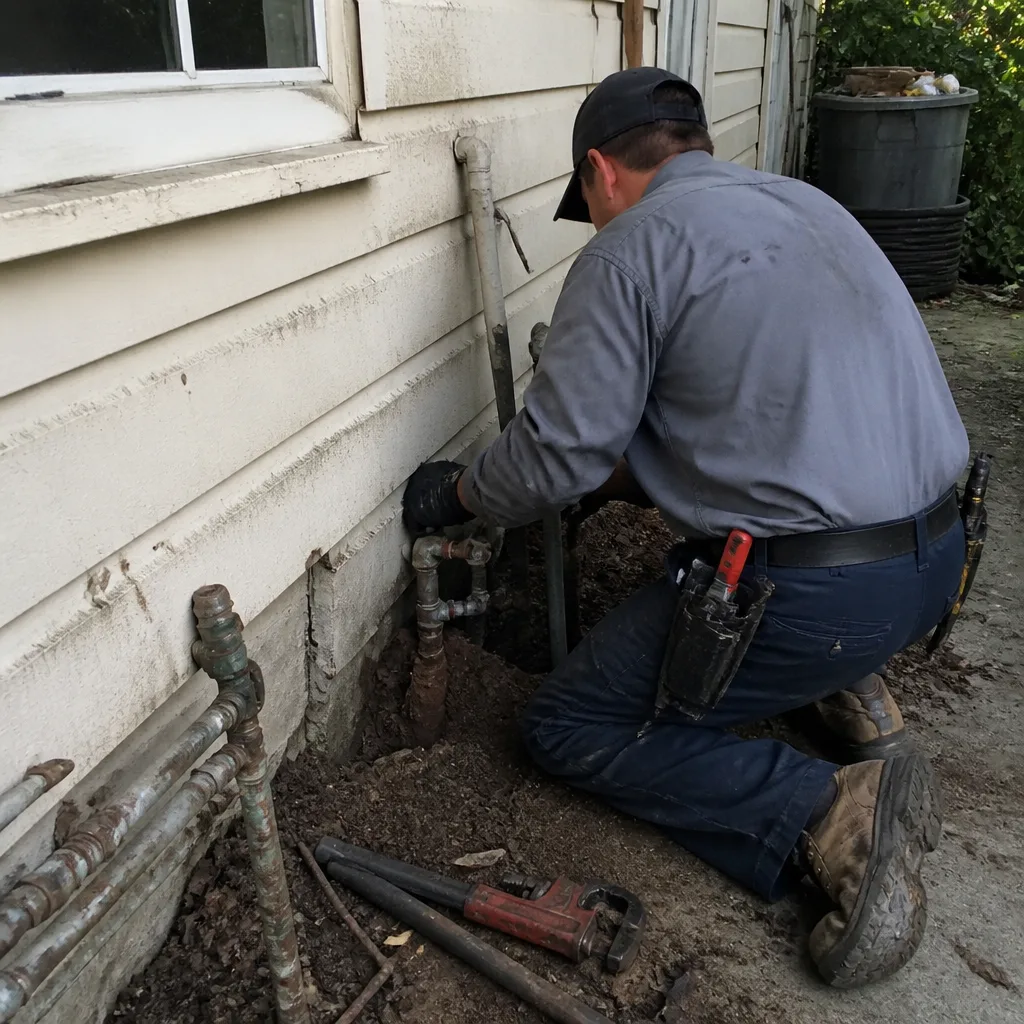 Before
 After
 Before
 After
 Before
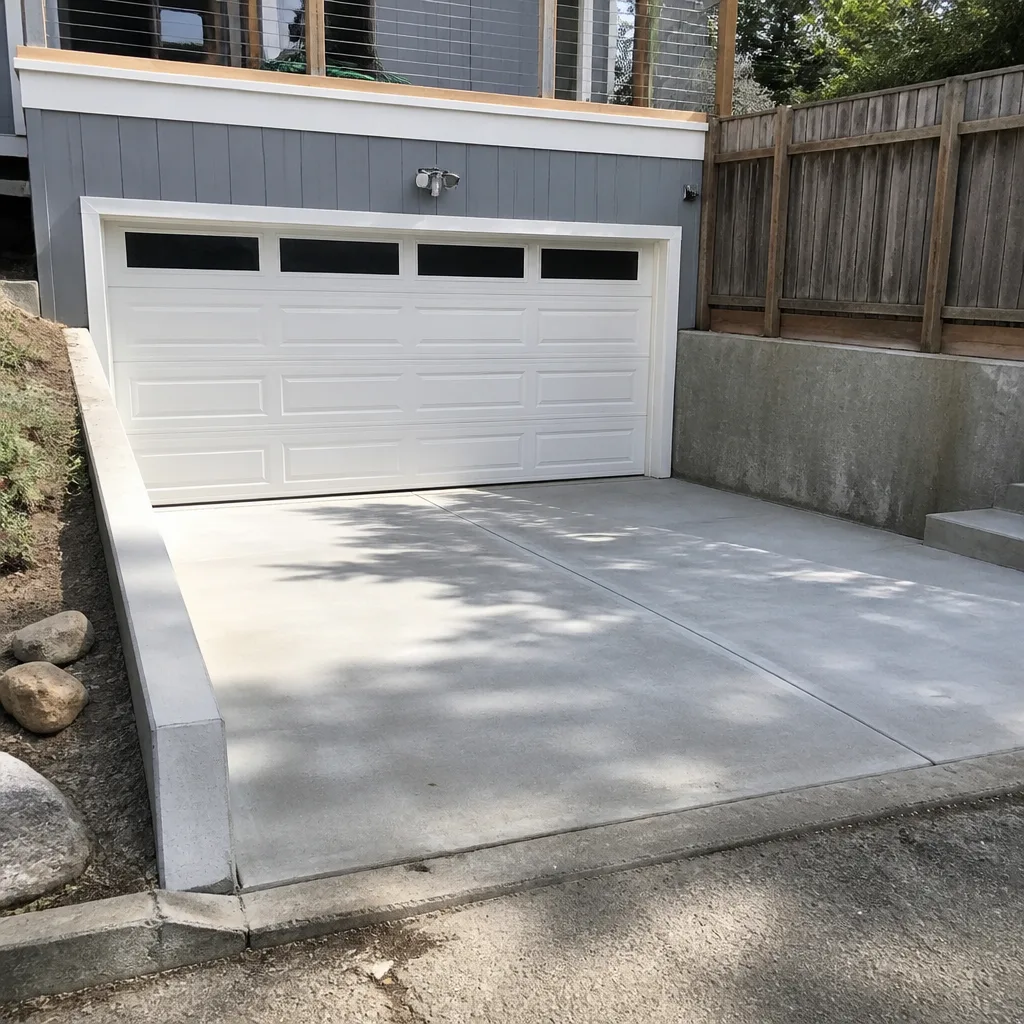 After