
Last updated October 31, 2026
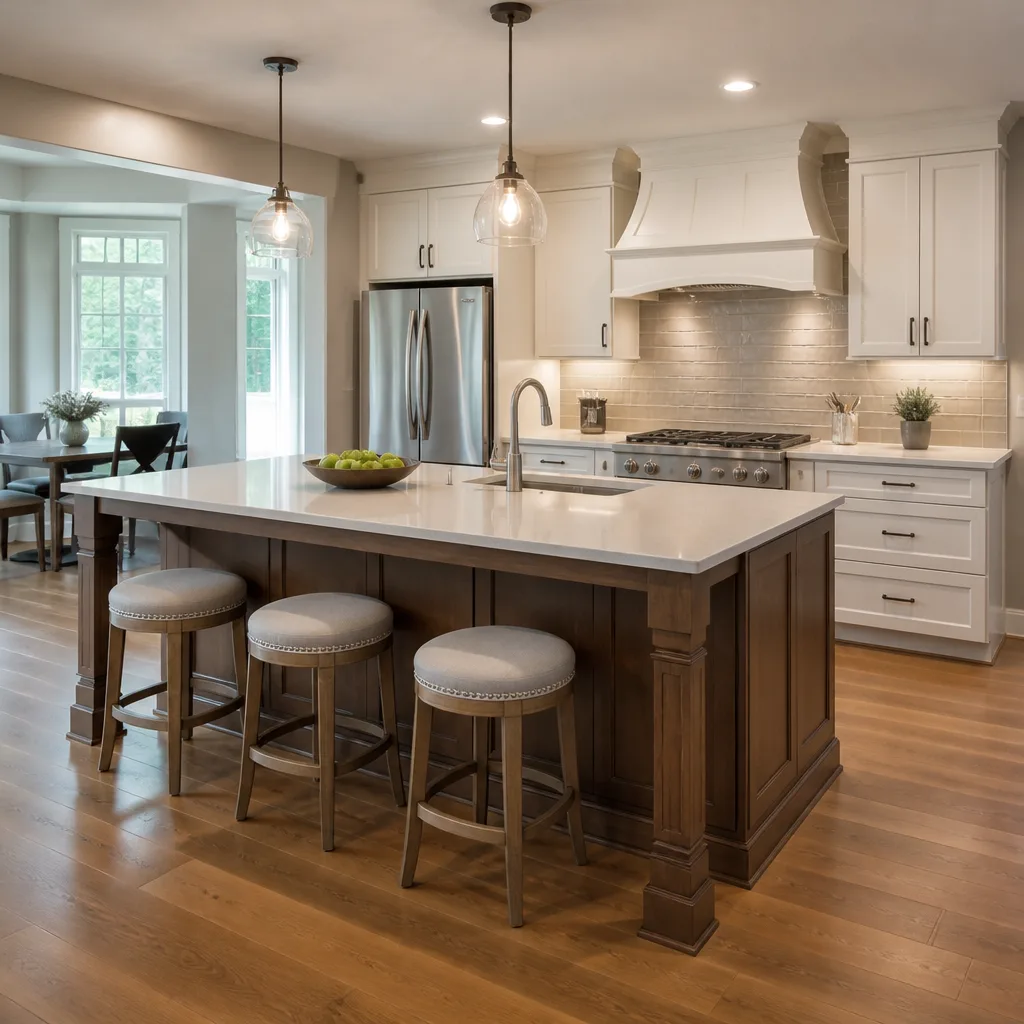 Kitchen remodeling
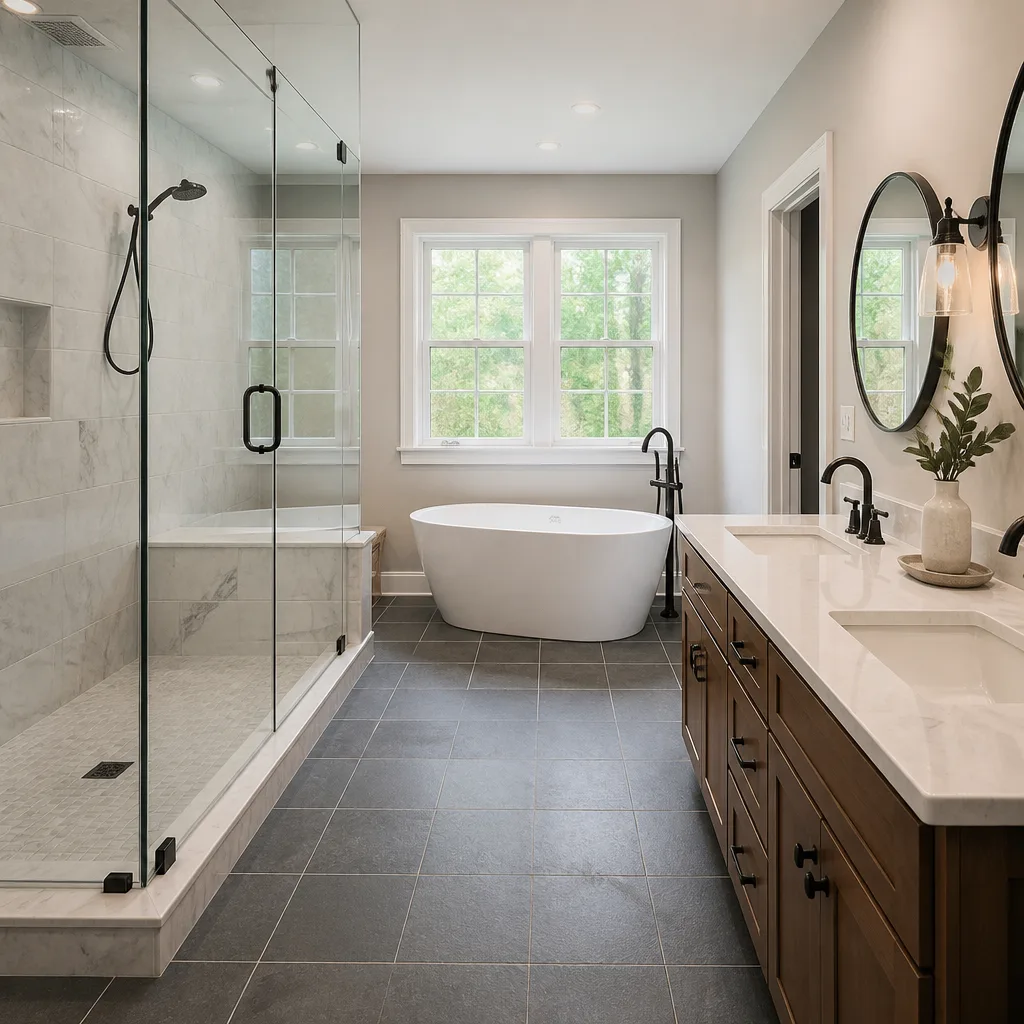 Bathroom remodeling
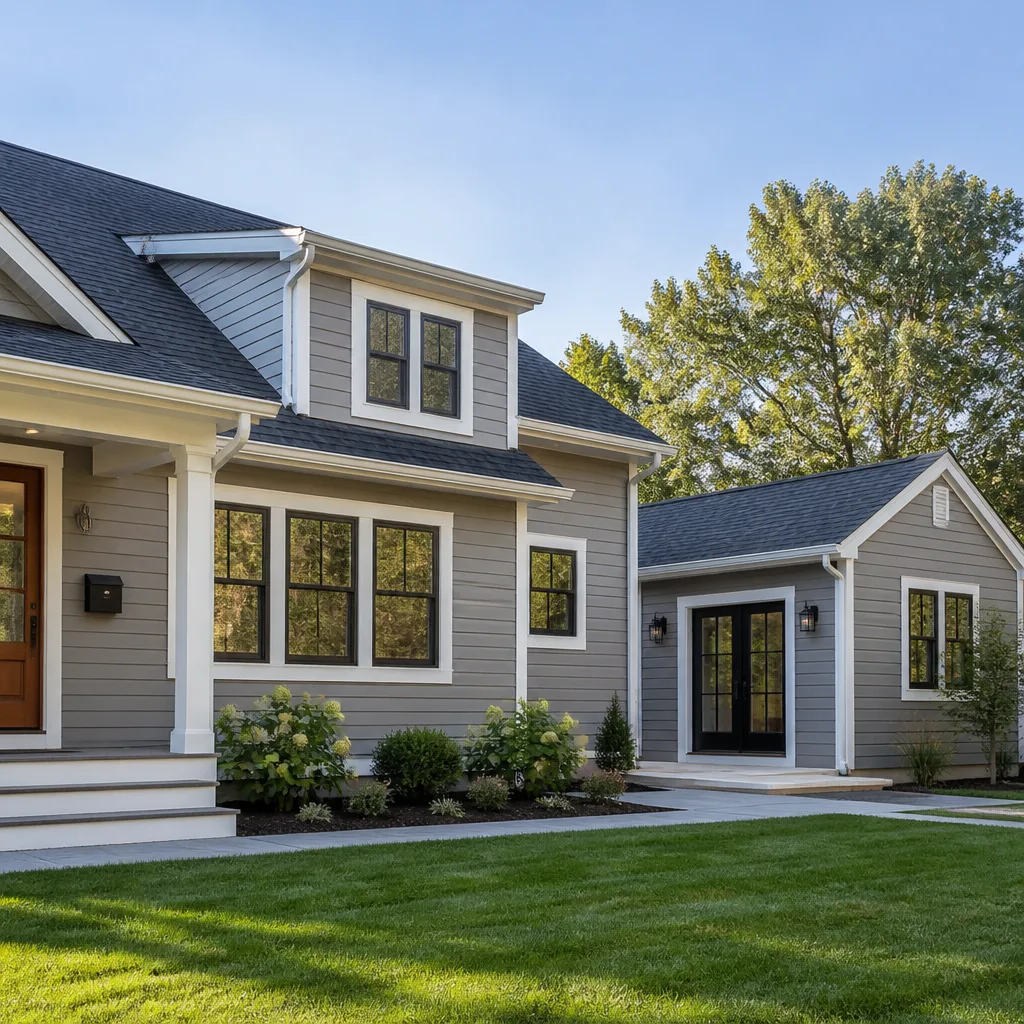 Home additions & ADU
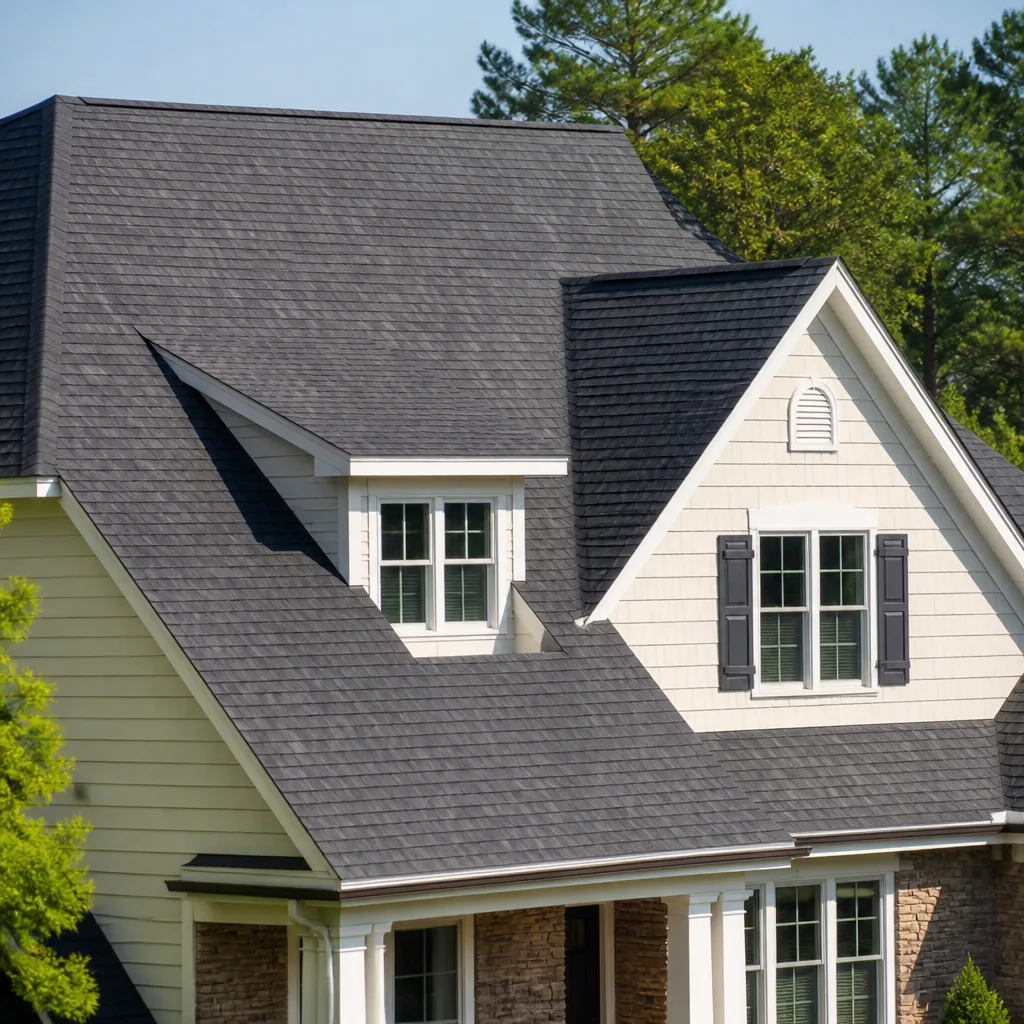 Roofing
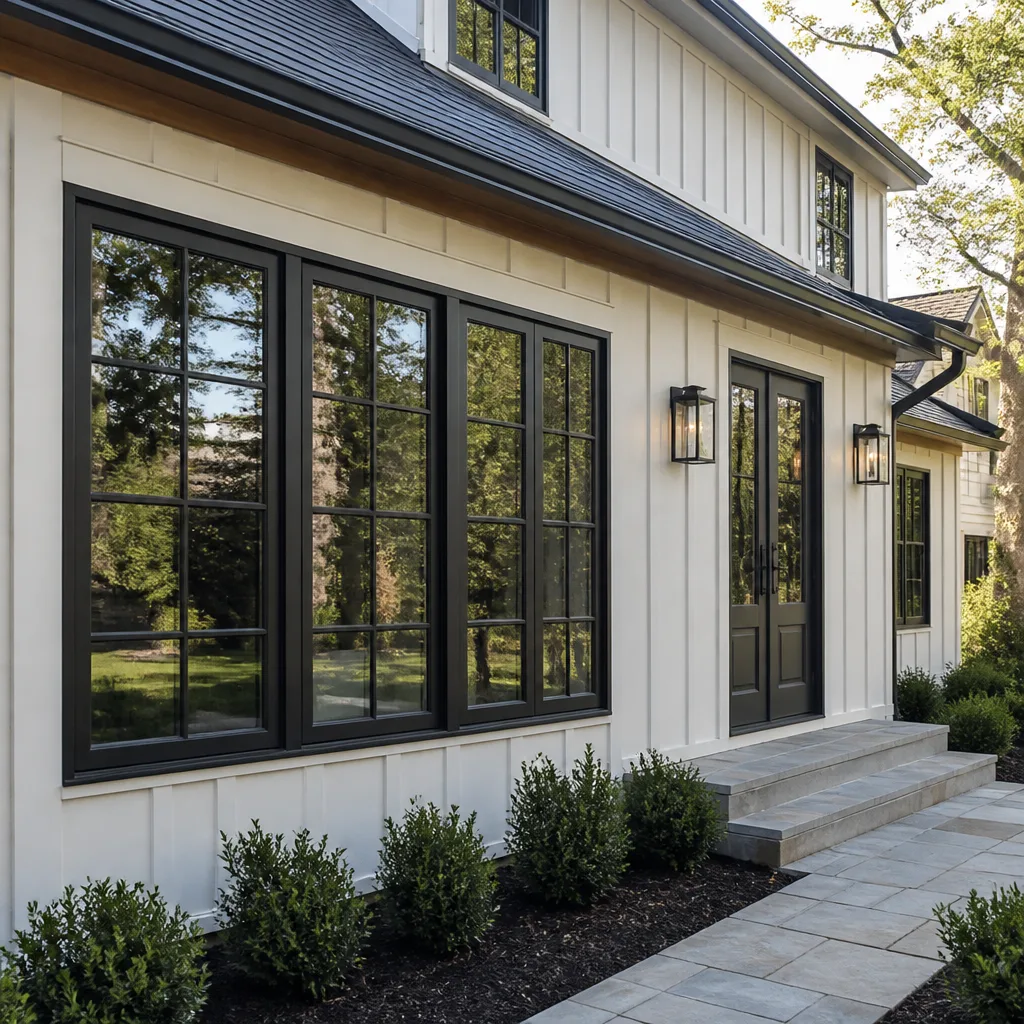 Windows & doors
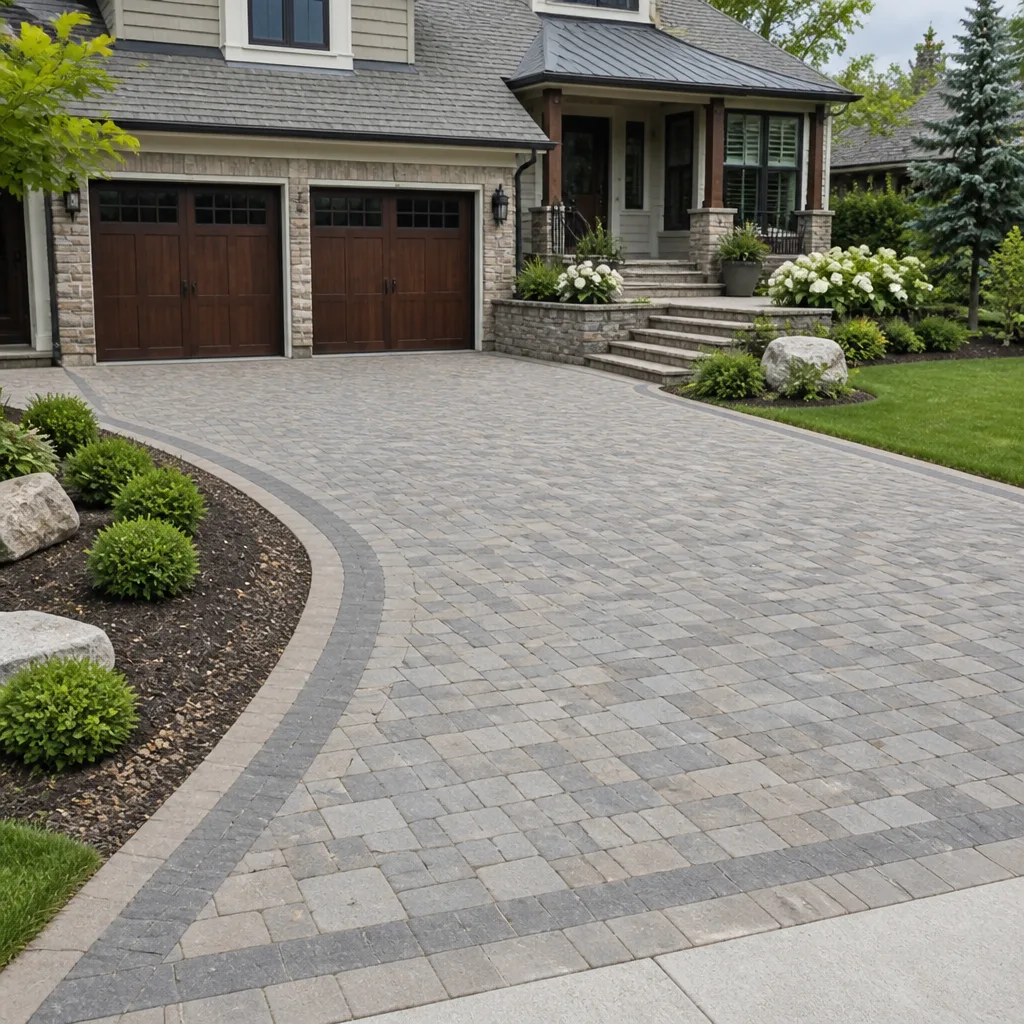 Driveway & pavers
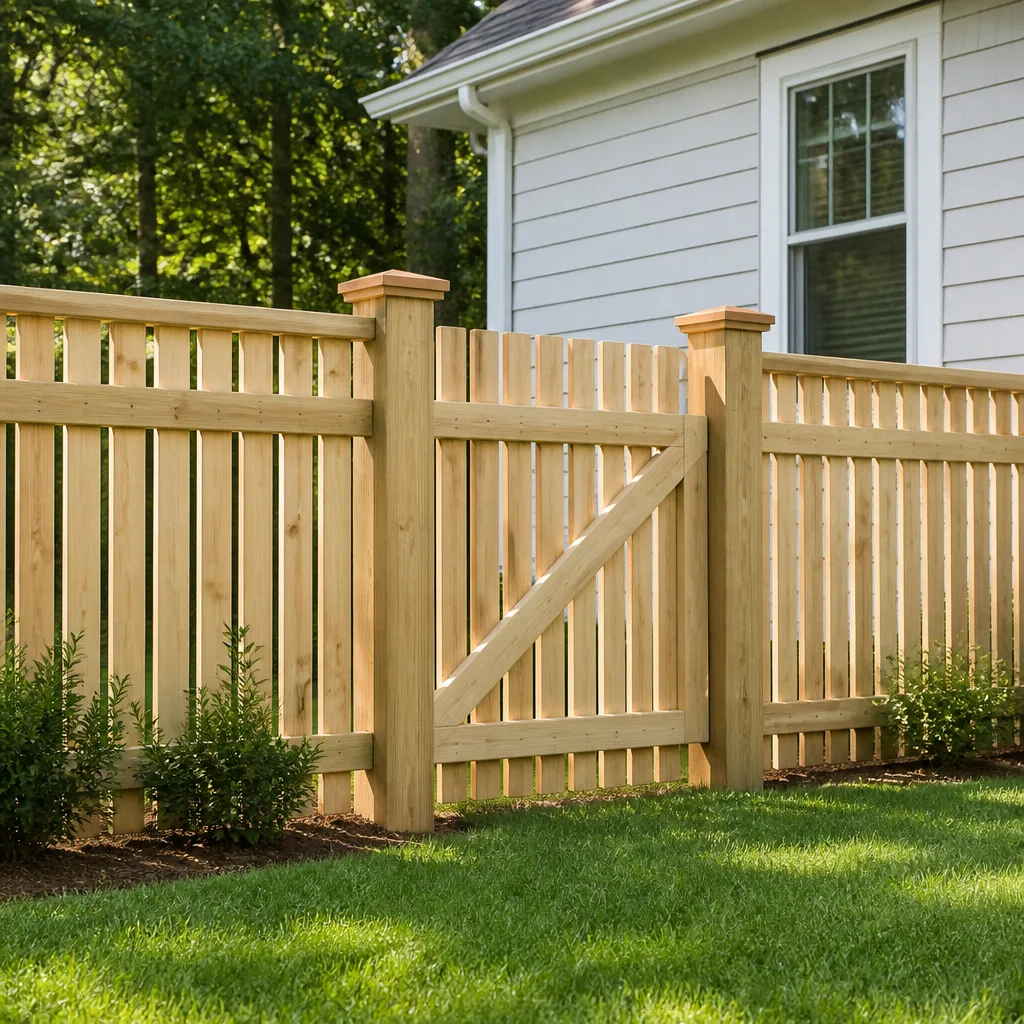 Fence
Free written scope consultation - allowances, timeline, and change-order rules on paper before a single trade is scheduled
The Complete Guide to Construction in Pacifica
Pacifica sits in a coastal zone where saltwater-accelerated corrosion can degrade standard fasteners and flashing within 5 years. A fact most contractor quotes never mention until the warranty claim is denied. This guide maps every stage of a Pacifica construction project to the specific conditions that make this stretch of coastline different: the marine layer, the Coastal Act, the hillside geology, and the San Mateo County permit ecosystem. You’ll learn what generic construction guides skip, from geotechnical requirements in Linda Mar to the material specs that actually hold up against salt air.
Quick Answer
Construction in Pacifica requires navigating California Coastal Zone regulations, hillside geotechnical reports, marine-grade material specifications, and either City of Pacifica or San Mateo County permit jurisdiction depending on your parcel. Budget 20-40% more for weather-resistant materials and plan for longer permit timelines than inland Bay Area projects. A single-source contractor who coordinates foundation, framing, and weatherproofing trades is the highest-leverage decision you can make.
Styles & brands we work with
Table of Contents
- Why Pacifica’s Coastal Zone Designation Changes Everything
- Hillside Lots in Linda Mar and Vallemar: The Geotechnical Reality
- Material Specifications That Survive Pacifica’s Marine Layer
- City of Pacifica vs. San Mateo County: Which Permit Jurisdiction Applies to You
- The 7 Stages of a Pacifica Construction Project
- What Construction Actually Costs in Pacifica
- Why Single-Source Contracting Reduces Risk on Coastal Projects
- Building Windows: When to Schedule Work in Pacifica
Why Pacifica’s Coastal Zone Designation Changes Everything
Most of Pacifica’s residential parcels fall within the California Coastal Zone, a regulatory boundary that extends inland from the shoreline and triggers review under the California Coastal Act of 1976. This is not a minor filing detail. It affects what you can build, where on the lot you can build it, and how long your permit will take. The Coastal Act prioritizes public shoreline access, visual impacts from the beach, and protection of environmentally sensitive habitat areas, which means a second-story addition that would sail through approval in Daly City can face months of extra review in Pacifica’s Sharp Park or Pedro Point neighborhoods.
In practical terms, here’s what the Coastal Zone designation means for your project:
- Permit review adds 6-18 weeks beyond standard San Mateo County timelines when coastal development permits are required.
- Setback and height restrictions differ from inland zoning, particularly for properties with ocean views or bluff-top locations.
- Exterior changes face higher scrutiny if visible from public beaches or coastal access points, including roofing color and window treatments.
- Some projects require a coastal development permit even when the underlying work is otherwise exempt from standard building permits.
Before you buy a property in Pacifica or commit to a design, check whether your parcel sits within the Coastal Zone boundary. The City of Pacifica planning department maintains current maps, and a knowledgeable general contractor in Pacifica should verify this on day one. We’ve seen homeowners purchase lots assuming a straightforward remodel and discover later that the coastal overlay restricted the second story they had already paid an architect to design.
Hillside Lots in Linda Mar and Vallemar: The Geotechnical Reality
Pacifica’s hillside neighborhoods, particularly Linda Mar, Vallemar, and the ridgeline areas above Rockaway Beach, sit on steep slopes with documented landslide history and expansive soils. If your project involves structural work on one of these lots, you will need a geotechnical report before any foundation design can be completed. This is not optional. It’s a requirement the city enforces because the consequences of skipping it are structural failure, not just permit delays.
A geotechnical report for a Pacifica hillside lot typically includes soil borings, slope stability analysis, and recommendations for foundation type, drainage design, and retaining wall engineering. Here’s a realistic budget breakdown:
- Geotechnical engineer site visit and report: $3,500-$8,000 depending on slope complexity and access difficulty
- Additional borings or lab testing: $1,500-$4,000 if multiple drill locations are required
- Peer review if triggered by city conditions: $2,000-$5,000 on high-risk parcels
- Foundation engineering based on report findings: $4,000-$12,000 for hillside structural design
On lots in Fairway Park or the upper reaches of Linda Mar, we also see expansive clay soils that swell and shrink with seasonal moisture. This means foundation recommendations may call for deeper piers, reinforced grade beams, or specialized drainage systems that add real cost but prevent the cracking and movement you’d otherwise see within the first few rainy seasons. Budget for this upfront. A home renovation in Pacifica on a hillside lot should assume geotechnical work is a line item, not a surprise.
Material Specifications That Survive Pacifica’s Marine Layer
Pacifica’s marine layer is not a aesthetic detail. It’s a corrosion engine. Salt-laden fog rolls in most mornings, condenses on every exposed surface, and accelerates oxidation on standard construction metals far faster than the same materials would degrade in San Bruno or Millbrae. If you’re spending six figures on a remodel, spec materials that are designed for coastal exposure from the start. The incremental cost is small compared to replacing failed flashing or corroded fasteners five years in.
Here are the material specifications we recommend for every Pacifica project:
- Fasteners and connectors: Use Type 316 stainless steel or hot-dip galvanized hardware rated for marine environments. Standard electro-galvanized nails and screws will show rust within 2-3 years near the coast.
- Flashing and roof penetrations: Copper, lead-coated copper, or stainless steel flashing only. Aluminum flashing corrodes quickly in salt air and fails at the exact points where water intrusion causes the most damage.
- Siding: Fiber cement, such as James Hardie products, outperforms wood siding in Pacifica’s moisture-rich environment. Wood siding requires constant repainting and still rots at the cut edges; fiber cement is dimensionally stable and holds paint far longer.
- Windows and doors: Spec windows with AAMA 2605-rated finishes (the highest coastal durability rating) and stainless or aluminum-clad frames. Standard vinyl windows fade and warp; standard steel hardware rusts. Brands like PGT, CGI, and Therma-Tru offer coastal-rated product lines.
- Roofing underlayment: Use a minimum of two layers of synthetic or modified bitumen underlayment beneath whatever roofing material you choose. Pacifica’s wind-driven rain finds every seam, and a single-layer felt underlayment is not enough.
- Concrete mixes: For hardscaping, walkways, or foundation walls exposed to salt air, use concrete admixtures that resist chloride penetration. Sakrete and Quikrete both offer high-strength and corrosion-inhibiting mix designs for coastal applications.
One specific we see missed constantly: the flashing at the roof-to-wall intersection. In Pacifica, the prevailing wind drives rain horizontally against the south and west elevations. Standard step flashing leaks here within a few years. We spec counter-flashing and kick-out flashing at every roof-wall junction, and we use stainless steel rather than galvanized as the default. It’s a few hundred dollars of material on most homes. The leak repair it prevents costs thousands.
City of Pacifica vs. San Mateo County: Which Permit Jurisdiction Applies to You
Not every Pacifica address falls under City of Pacifica permitting. Parcels in unincorporated San Mateo County, even those with a Pacifica mailing address, go through the county’s Planning and Building Department. This distinction matters because the two jurisdictions have different code adoptions, different plan check timelines, and different inspector preferences. A contractor who only works in city limits may stumble on county-specific requirements.
Here’s how to determine which jurisdiction applies:
- Check your property’s jurisdiction: The San Mateo County Assessor’s parcel search tool lists the jurisdiction for every parcel in the county. You can also call the City of Pacifica planning desk and ask directly.
- If you’re in a coastal overlay: Both the city and the county enforce Coastal Act requirements, but the county’s review pipeline often runs slower due to staffing volumes. Budget extra time if your parcel falls under county jurisdiction.
- If you’re in a hillside overlay: Both jurisdictions require geotechnical review, but the county sometimes requires additional peer review on steep parcels that the city handles internally. Your engineer should know which standard applies.
- Plan check timelines: As of this writing, City of Pacifica residential plan checks typically run 4-10 weeks for a standard remodel. County plan checks for the same scope often run 8-16 weeks. These timelines shift, but the relative gap persists.
The practical takeaway: verify jurisdiction before you draw plans or sign a contract. A home remodeling in Pacifica project that assumes city permitting when the parcel is actually county jurisdiction can stall for months at the plan check stage simply because the submittal was formatted for the wrong agency.
The 7 Stages of a Pacifica Construction Project
Every remodel or addition follows the same structural sequence, but Pacifica’s coastal conditions change how each stage should be executed. Here’s the full sequence, from first call to final inspection, with the Pacifica-specific notes that matter at each step.
- Scope definition and budget alignment. Before any drawing or permit work, you need a clear scope and a budget that includes Pacifica-specific allowances: geotech, coastal-grade materials, and permit timelines. This is where most projects go wrong before they start. A detailed line-item estimate is worth the time it takes to produce.
- Design and structural engineering. If your project changes any load-bearing element, you’ll need engineered drawings. On Pacifica hillside lots, the engineer’s foundation design depends on the geotech report, so that report needs to come first. Sequence matters.
- Permit submittal and plan check. Submit to the correct jurisdiction with complete plans, calculations, and coastal documentation. Incomplete submittals get bounced back, and every bounce adds 2-4 weeks. This is a process question, not a paperwork question.
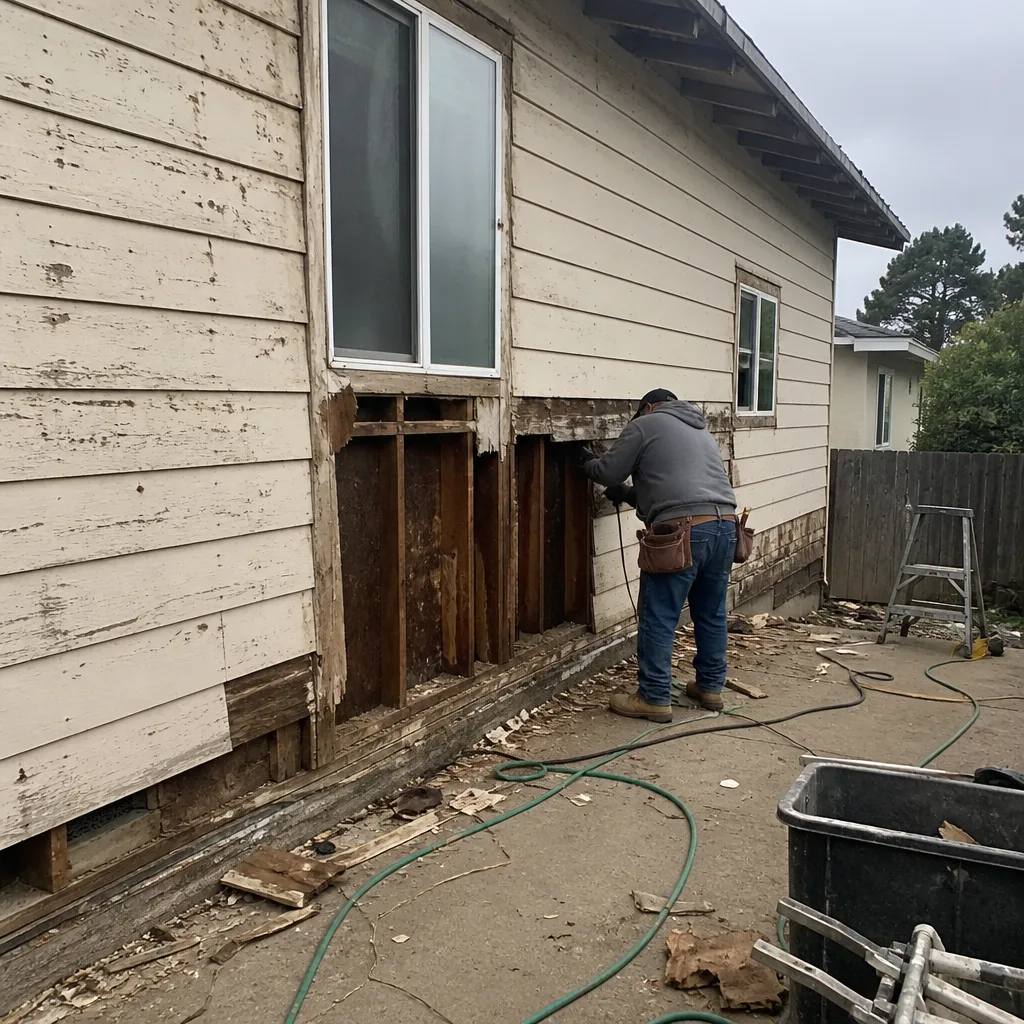
- Demolition and site preparation. Coastal properties often have hidden rot, corroded flashing, or old termite damage that only reveals itself during demo. Budget a contingency line for what you can’t see behind the walls.
- Structural, mechanical, electrical, and plumbing rough-in. This is the stage where a single-source contractor proves their value. Trades need to sequence correctly: foundation, then framing, then weatherproofing, then rough-in. When one trade falls behind, the entire schedule slips across a compressed coastal building window.
- Weatherproofing and exterior envelope. In Pacifica, this stage is more important than in inland cities. The envelope, which includes roof underlayment, flashing, house wrap, windows, and siding, is your only defense against wind-driven rain and salt fog. Cut corners here and the damage compounds every year.
- Finishes, inspections, and close-out. Final inspections, final walkthrough, and warranty handoff. If the previous six stages were done correctly, this stage is fast and uneventful. Most inspection failures trace back to stage five or six.
What Construction Actually Costs in Pacifica
Talking about construction costs without tying the numbers to a specific scope is how people get quoted $150,000 and then billed $240,000. Here are working ranges for common Pacifica projects, based on the current local market and coastal material assumptions. Use these as planning figures, not as quotes.
Typical project ranges in Pacifica:
- Kitchen remodel (mid-range, 200 sq ft): $65,000-$110,000 including cabinets, counters, appliances, and finishes. Coastal-rated windows in the kitchen add $1,500-$3,000 per opening depending on size.
- Primary bathroom remodel (full gut, 60-100 sq ft): $45,000-$85,000. Schluter-system waterproofing on the wet areas runs $1,800-$3,500 but is non-negotiable in a marine climate.
- Second-story addition (400-600 sq ft): $250,000-$450,000 once you include structural engineering, foundation work on existing footings, and coastal-grade exterior envelope.
- Full exterior envelope upgrade (siding, windows, flashing, roof): $120,000-$220,000 for the typical Pacifica home. This is one of the highest-ROI projects in the city because it directly addresses the climate’s slow damage.
- Hillside retaining wall and drainage work: $25,000-$75,000 depending on height, soil conditions, and engineering requirements. This often needs to be part of a larger remodel scope.
- Prefab or modular ADU: $180,000-$350,000 depending on manufacturer and site conditions. Dvele and Abodu both produce homes that can work on Pacifica lots, but hillside foundations add cost that the base pricing won’t show.
These ranges assume professional work with permits. Yes, you can find unpermitted work for less. It will not pass inspection when you sell the house, and in Pacifica’s coastal environment, unpermitted work tends to fail in ways that are expensive to fix later.
Why Single-Source Contracting Reduces Risk on Coastal Projects
The traditional model, hiring a separate foundation contractor, framer, roofer, siding crew, and window installer, creates coordination gaps that coastal weather exploits. On a Pacifica project, the weatherproofing is only as good as the weakest handoff between trades. A framer is not responsible for how the roofer’s flashing interacts with the siding crew’s house wrap. A window installer is not accountable to the foundation contractor’s drainage plan. Each trade does their scope and leaves.
A single-source contractor manages all of it under one project team, one schedule, and one point of accountability. Here’s what that changes in practice:
- Sequencing is coordinated deliberately. The foundation team knows when the framer starts, the framer knows when the roofer starts, and the roofer knows what the siding crew needs for a watertight envelope. One scheduler, not four independent crews.
- Material specifications are consistent. When one contractor selects every material, the fasteners, flashing, underlayment, and siding are all specified to work together. No mixing a builder-grade window with a coastal-rated wall assembly.
- Warranty responsibility is clear. If water gets behind the siding at a roof-wall junction, you have one contractor to call, not a roofer blaming a sider and a sider blaming the framer.
- Brand choice doesn’t come with a markup agenda. A contractor with access to multiple manufacturers in every category can match material to your actual budget rather than pushing a single house brand they have margin tied up in.
At Copperleaf Contractors home, we operate this way because Pacifica’s climate punishes the alternative. From the foundation to the roofline, one contractor, every trade. Your remodel, your material choices. It sounds simple. In coastal construction, simple is the hard part.
Building Windows: When to Schedule Work in Pacifica
Pacifica’s weather is more forgiving than most people realize for construction, but there are real seasonal patterns that affect schedule and quality. The marine layer peaks from May through August, which means morning fog and damp surfaces. The rainy season runs November through March, with the heaviest storms typically in December and January. Neither pattern is a showstopper, but both shape when certain trades should be scheduled.
Here’s our seasonal guidance based on years of Pacifica project scheduling:
- Foundation and concrete work: Best from April through October, when the ground is drier and excavation doesn’t fight saturated soils. Pouring concrete in heavy rain compromises the mix and slows curing.
- Exterior envelope work (roof, siding, windows): Schedule for the dry months, May through October. You can install a roof in November, but a sudden storm mid-installation means water gets where it should never get. One wet week during exterior work can add $3,000-$8,000 in drying and remediation costs.
- Interior finish work: Any time of year. Once the envelope is sealed, interior trades are insulated from the weather. Many homeowners start interior remodels in the winter months specifically because the exterior isn’t a factor.
- Hardscaping and outdoor living spaces: Late spring through early fall. Belgard and Unilock paver systems install best on dry, compactable base material. Winter installs on saturated soil lead to settling within the first year.
The key insight: sequence your project so the exterior envelope is completed during the dry season. If your remodel includes both interior and exterior scope, the exterior should be prioritized in the schedule. This sounds obvious, but we’ve seen projects where the contractor started interior work in August and didn’t reach the roof until December, leaving the house exposed during the wettest stretch of the year.
Common Mistakes to Avoid
- Assuming inland material specs transfer to Pacifica. Galvanized fasteners that last 20 years in San Bruno fail in 5 years near the coast. Spec marine-grade from day one, or you’ll pay for it in premature corrosion.
- Buying a hillside lot without the geotech report. Linda Mar and Vallemar slopes have real landslide history. The report tells you what you’re building on before you’ve spent money on plans that won’t work.
- Starting exterior work in November. Wind-driven rain during a roof or siding installation in Pacifica is not a minor inconvenience. It’s a moisture intrusion event that can soak the framing and require drying, mold remediation, or both.
- Skipping the coastal permit check. Assuming your parcel doesn’t need a coastal development permit and then getting a stop-work order during construction costs more than paying the permit fees would have cost.
- Underestimating the coordination tax of hiring five different contractors. Every handoff between trades is a chance for water to get in. In a coastal climate, that chance becomes a probability within a few seasons.
- Choosing the cheapest quote without checking material specs. A bid that’s 20% lower because it specs standard flashing and vinyl windows is not a deal. It’s a deferred cost with interest.
- Ignoring drainage on a hillside lot. Surface water and groundwater on Pacifica slopes move. If your foundation design doesn’t account for drainage, you’ll have water in the crawlspace within two rainy seasons.
See the difference
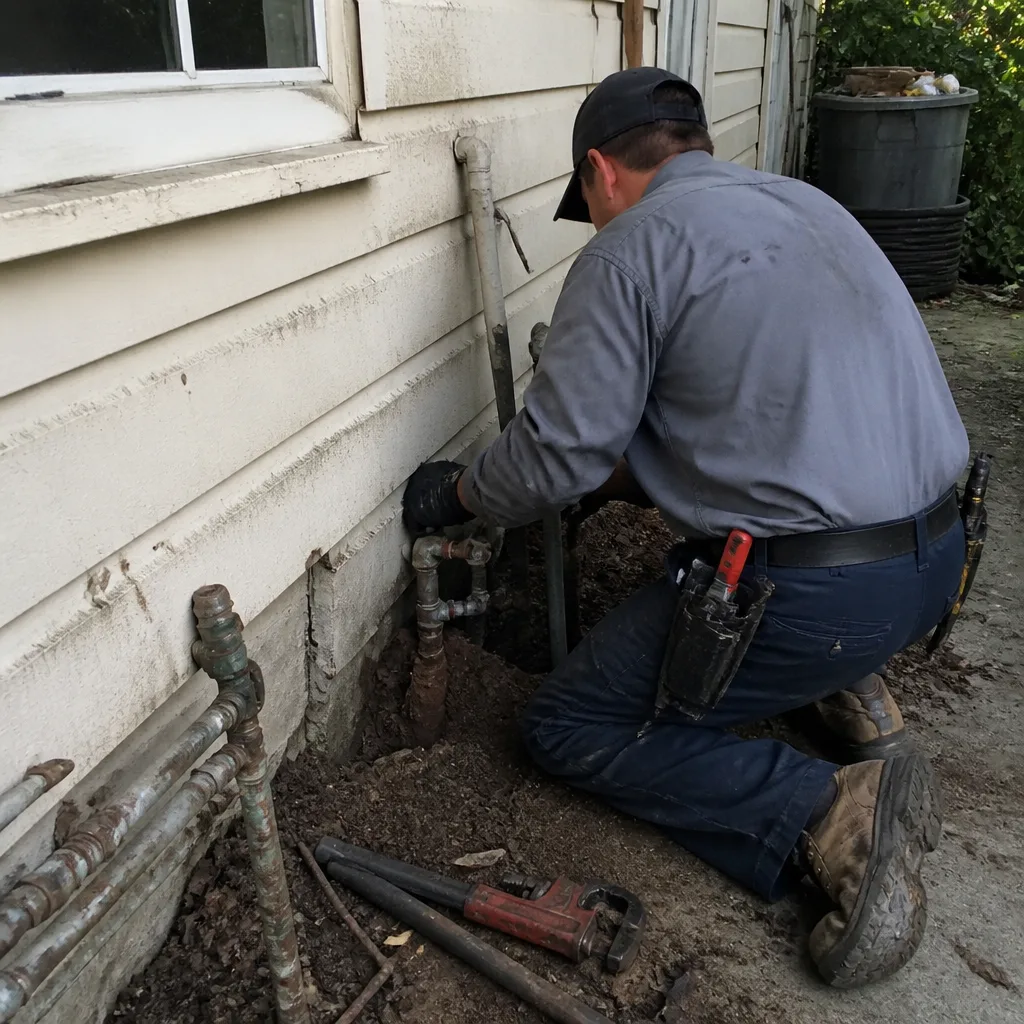 Before
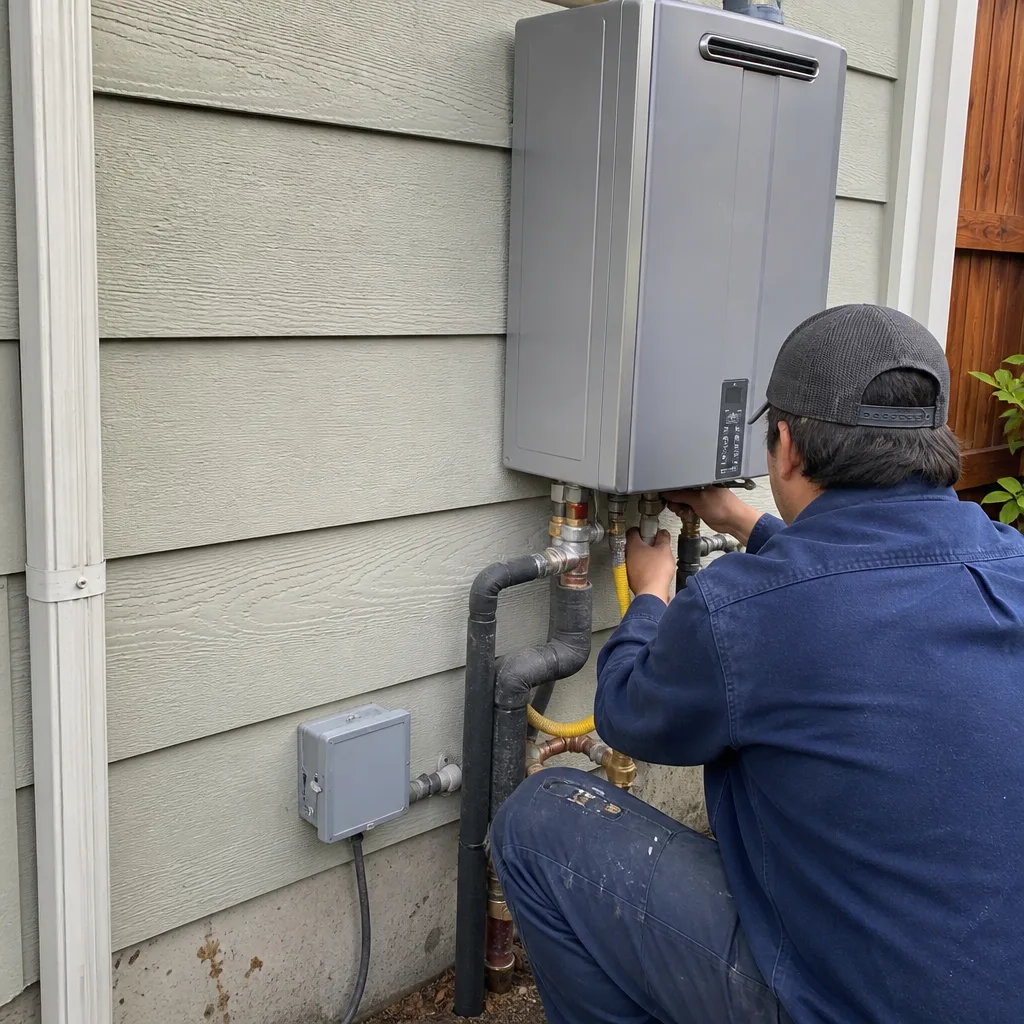 After
 Before
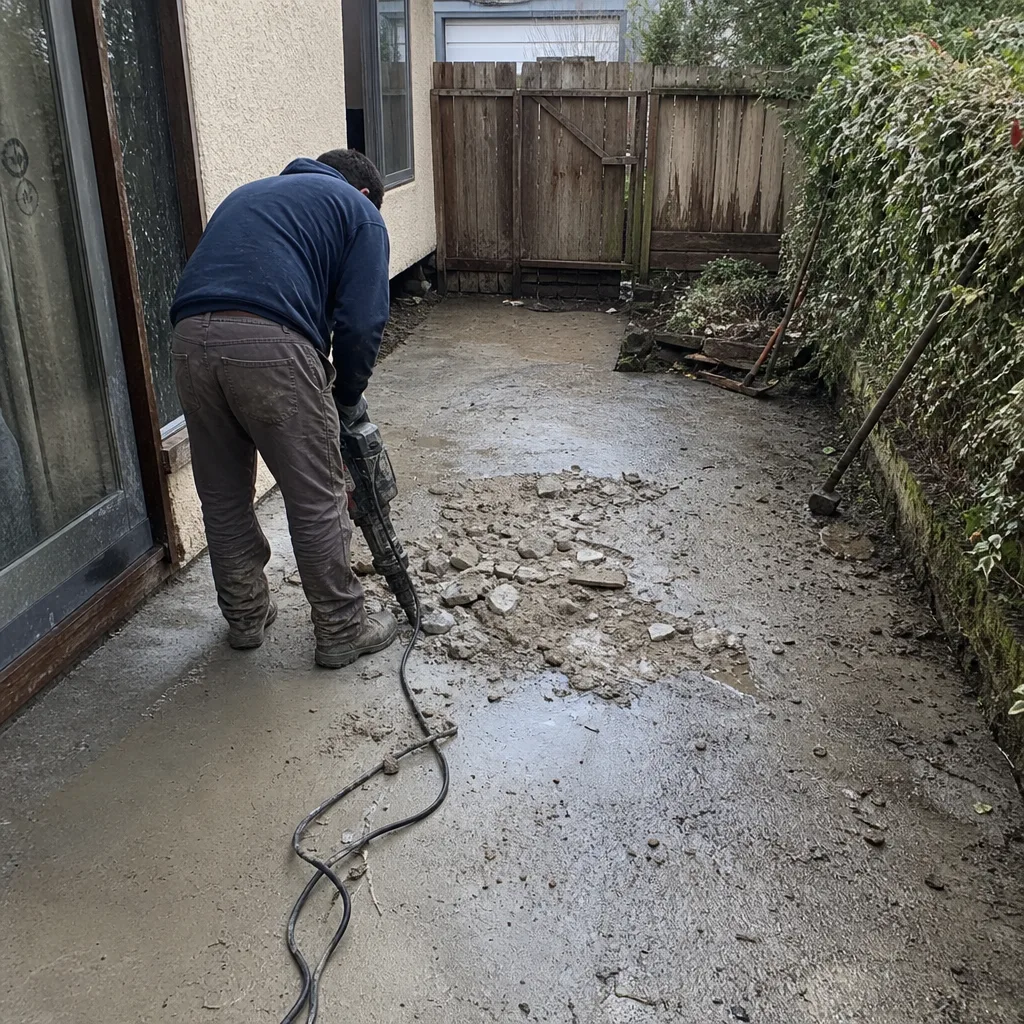
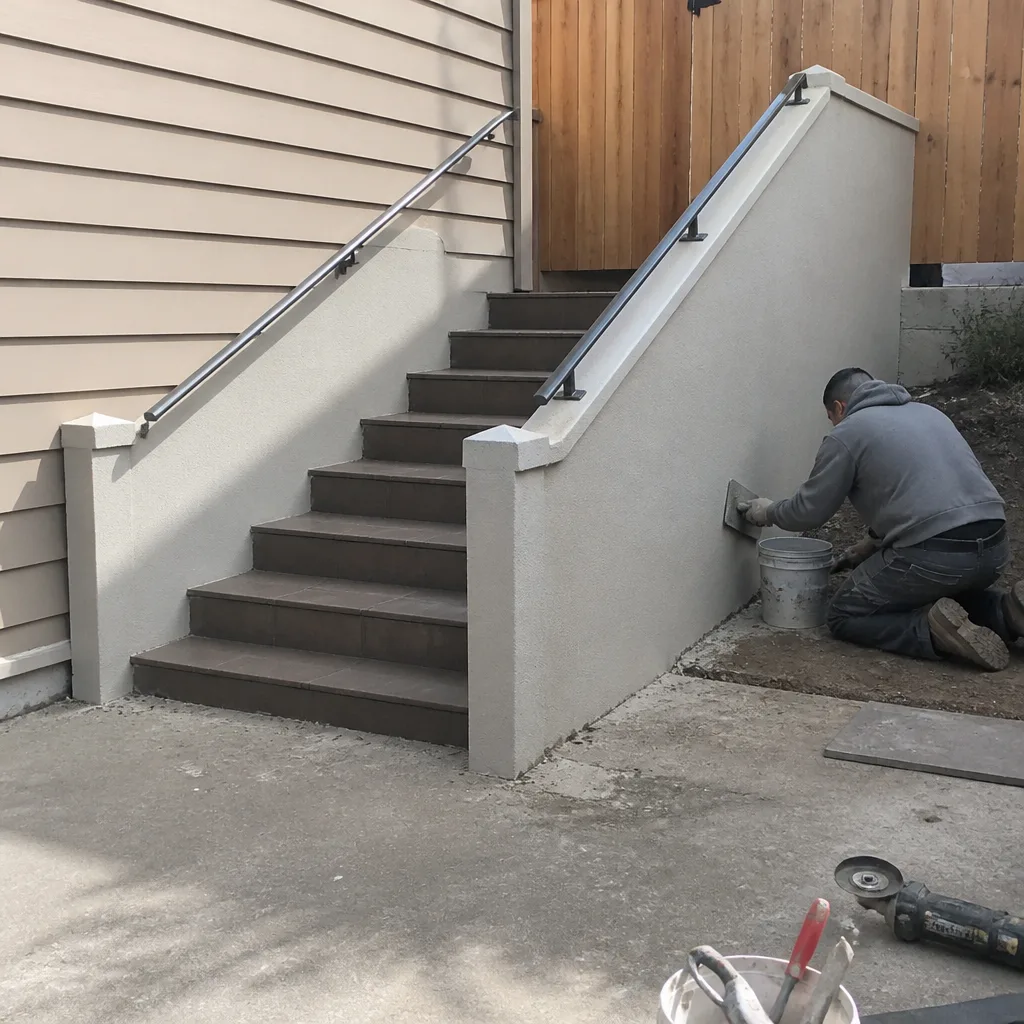 After
 Before
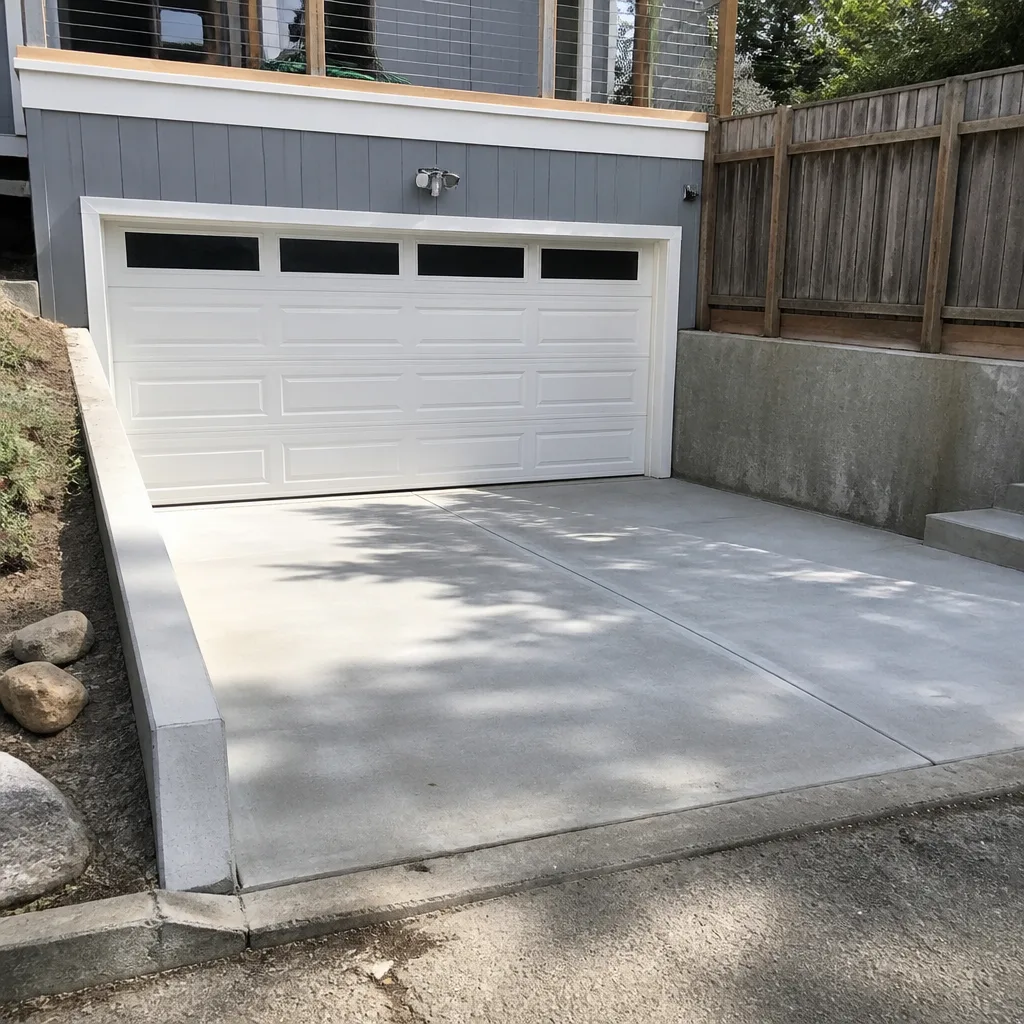 After
When to Call a Professional
Any project that involves structural changes, exterior envelope work, or hillside foundations should involve a licensed general contractor from the start. The permitting process alone requires drawings, calculations, and submittals that most homeowners aren’t equipped to produce. Beyond that, the coastal material specifications and trade coordination required in Pacifica are not DIY territory. The cost of a professional is not just labor, it’s liability protection, warranty coverage, and the judgment that comes from having done this work in this specific climate. Home renovation in Pacifica done correctly holds its value. Done incorrectly, it becomes a disclosure issue when you sell. Copperleaf Contractors offers free estimates in Pacifica. Call (833) 589-8173 to schedule yours.
Frequently Asked Questions
A mid-range kitchen remodel in Pacifica typically runs $65,000-$110,000, a primary bathroom $45,000-$85,000, and a second-story addition $250,000-$450,000 depending on size and hillside conditions. These ranges reflect coastal-grade materials and the engineering requirements that Pacifica’s geology and climate demand. Call (833) 589-8173 for an exact quote on your scope, estimates are free.
You need a geotechnical report for structural work on most hillside lots in Linda Mar, Vallemar, and other steep-slope areas of Pacifica, but flat lots in lower-lying neighborhoods may not require one. The city or county will tell you when you submit for a permit review, but any experienced contractor should flag the requirement during the initial consultation.
City of Pacifica residential plan checks typically run 4-10 weeks for a standard remodel, while San Mateo County permits for unincorporated parcels often run 8-16 weeks. Coastal Zone review can add another 6-18 weeks on top of either timeline, depending on the scope and location of the project.
Type 316 stainless steel fasteners, copper or stainless flashing, fiber cement siding like James Hardie, AAMA 2605-rated windows from manufacturers like PGT or CGI, and multi-layer synthetic roofing underlayment are the baseline specs that survive Pacifica’s marine layer. Standard galvanized hardware and aluminum flashing fail prematurely in this climate.
Yes, ADUs are permitted on most Pacifica residential parcels, though hillside lots may require additional foundation engineering and coastal zone review. Prefab manufacturers like Dvele and Abodu produce homes that work on many Pacifica sites, but the site preparation and foundation costs on sloped lots are often higher than the base pricing from the factory.
It should not, if you have a fixed-price contract and a contractor who priced the scope accurately upfront. The most common source of price changes is hidden conditions discovered during demolition, such as rotten framing or corroded flashing behind the walls, which is why a realistic contingency line should be part of your initial budget. Ask for written line-item pricing before the contract is signed. Call (833) 589-8173 to discuss your project; we’ll tell you what to expect before any work begins.
The Bottom Line
Construction in Pacifica rewards preparation and punishes assumption. The coastal climate corrodes substandard materials faster than most homeowners expect. The hillside geology demands engineering due diligence before a single wall moves. The permit process splits between two jurisdictions, both of which enforce Coastal Act requirements that inland projects never face. The winning approach: verify jurisdiction, budget for geotech, spec marine-grade materials from the first bid, and choose a contractor who coordinates every trade under one roof. Get the material choices and the execution right from day one, and a Pacifica home will hold its value for decades, even in the salt air. For more guides & resources, explore our blog.
Written by the team at Copperleaf Contractors, serving Pacifica since 2017.